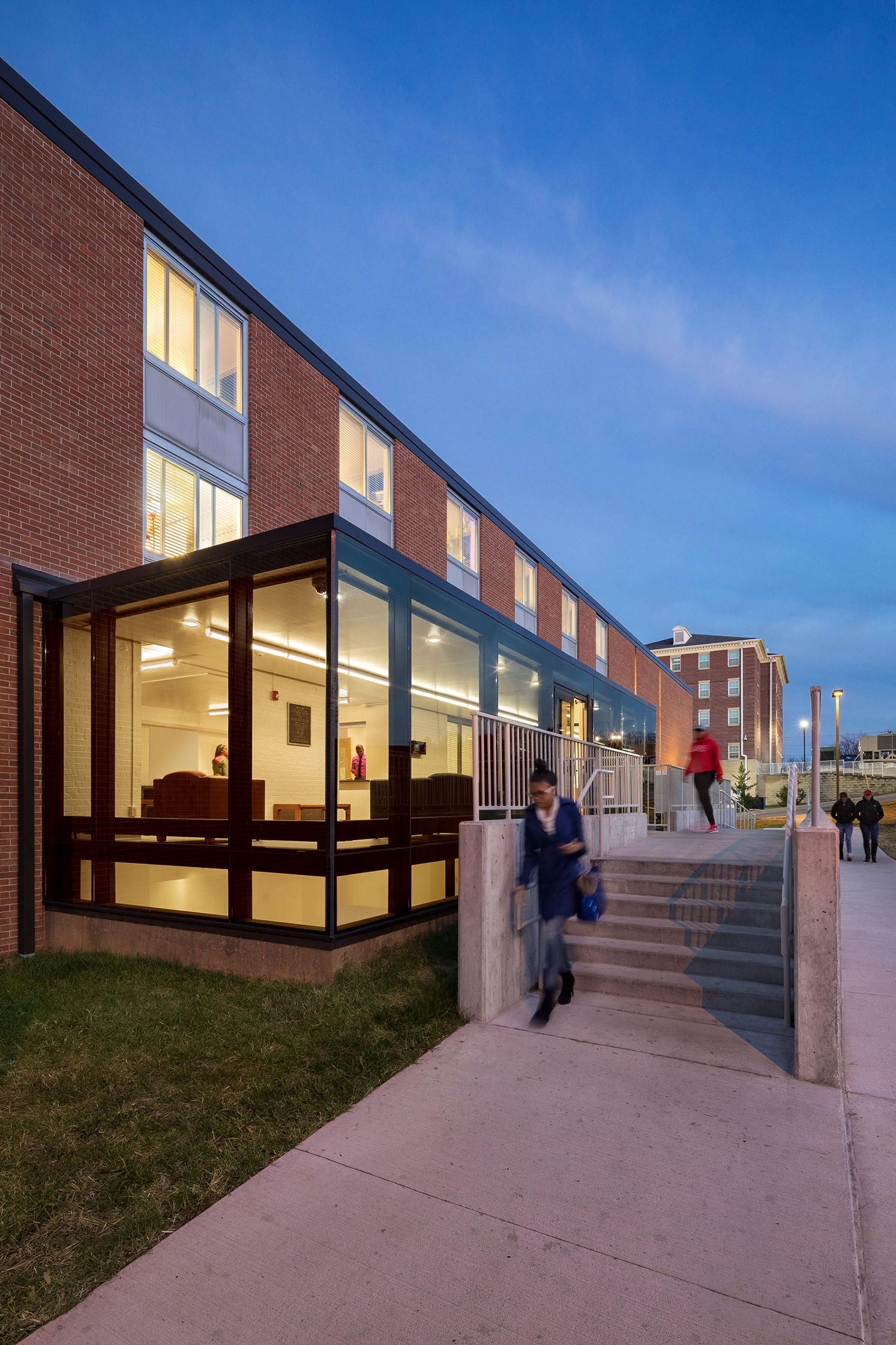
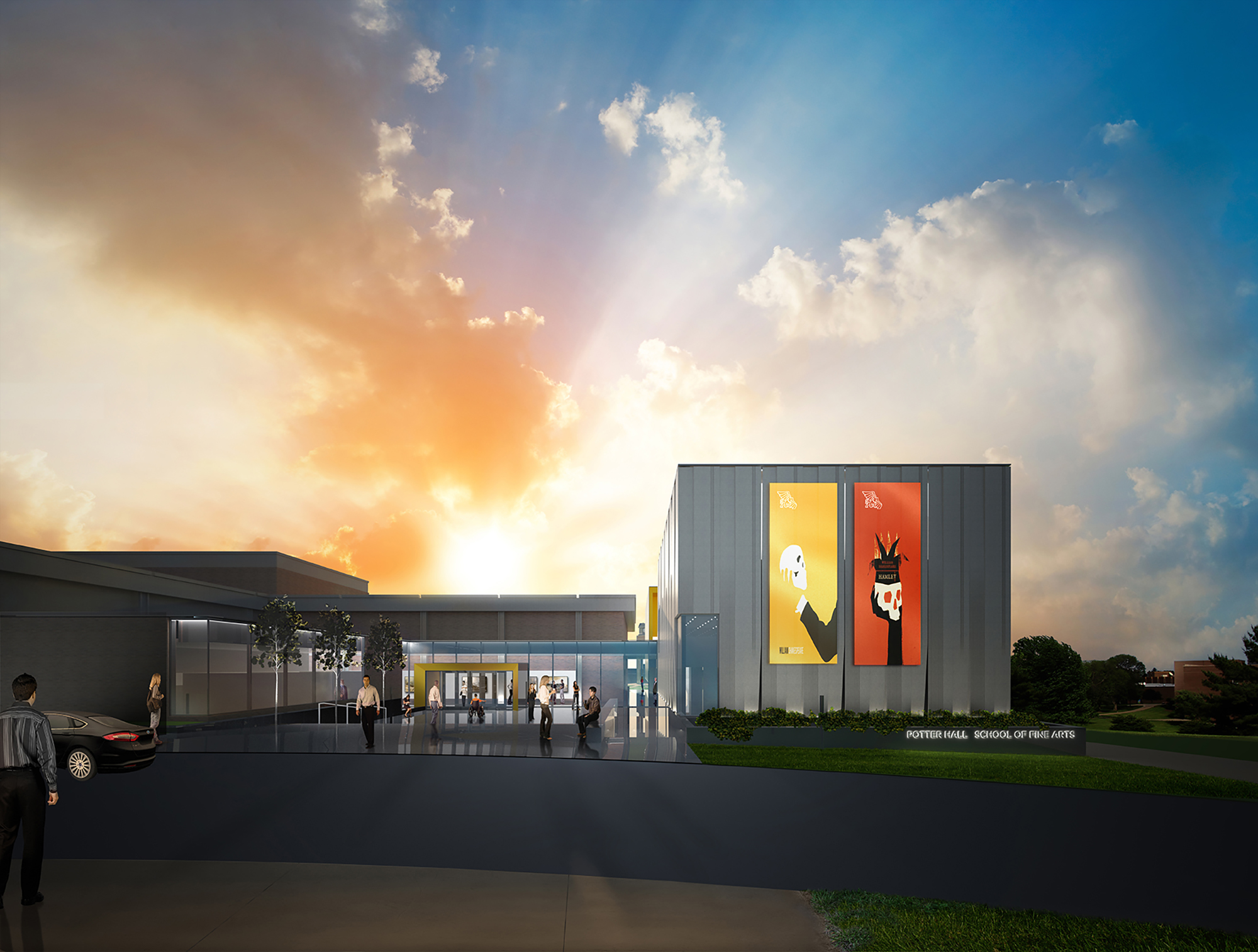
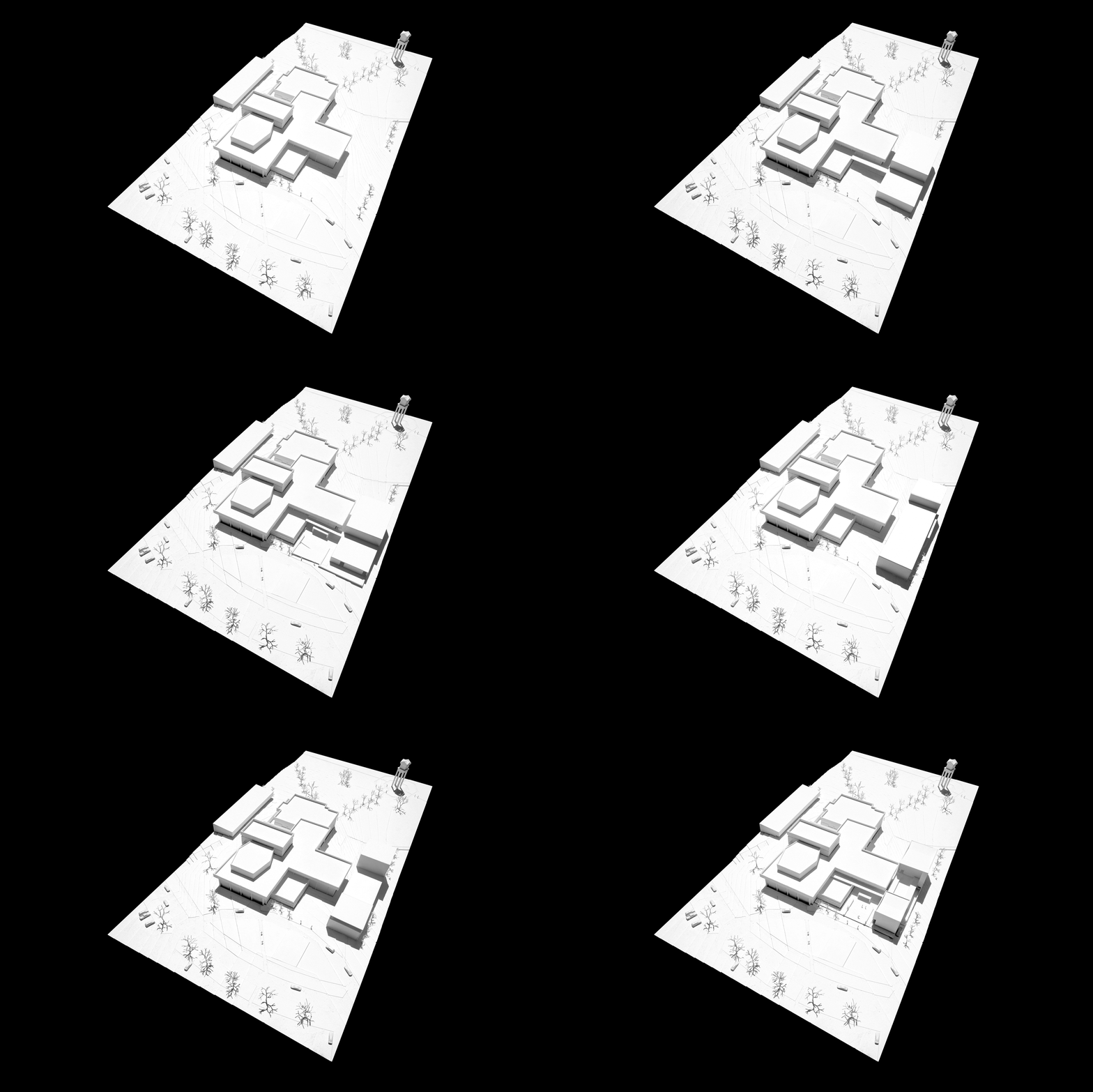
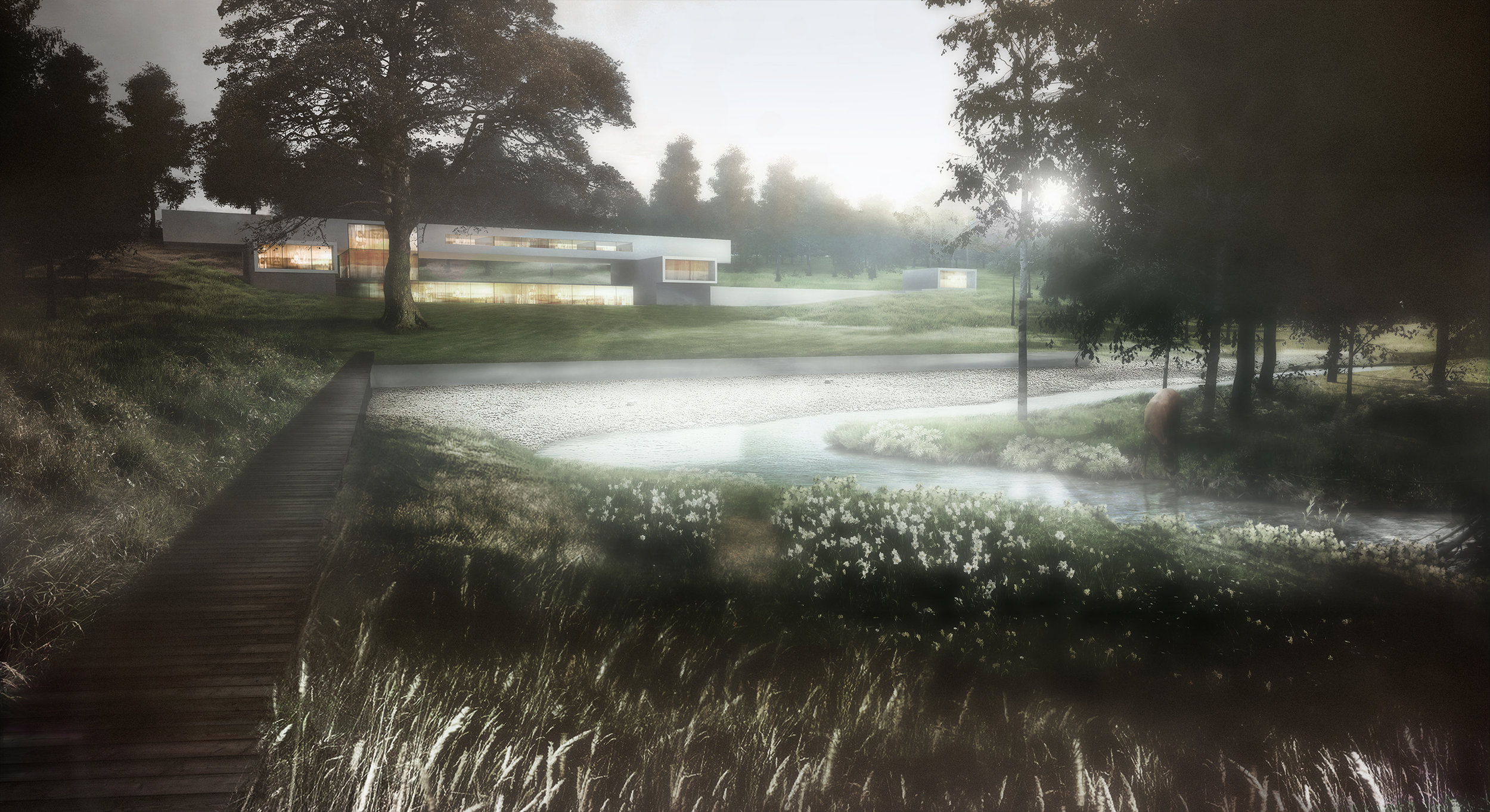
“The complexity of our project seemed overwhelming at first. Trying to bring two uniquely distinct programs from different areas of campus together appeared to be impossible. Patterhn Ives worked closely with user groups to gain full understanding of both programs and developed a beautifully designed project…and it was under budget!”
Josh Halsne, Project Manager, University of Missouri - St. Louis
“You may have heard us say that a string quartet is not four instruments, but five -- the hall we play in is part of our sound. Patterhn Ives and the acousticians at Kirkegaard knocked it out of the park. It’s unusual to find a space with clarity, presence, warmth, resonance, and balance. Together, these qualities allow for subtleties and nuance, as well as a huge dynamic range. This is a performance space that will inspire generations to come.”
Joanna Mendoza, Violist, Arianna String Quartet, and Professor of Viola, UMSL
“Buildings like what we’re celebrating today will serve students by providing quality academic environments that inspire learning, creativity, and innovation while bringing renewed energy to campus…We’re setting the standard for the future of our workforce and for students to become some of the top competitors in the world.”
Missouri Senator, Brian Williams
_____________________________________________________
2021 AIA Central States Design Honor Award: Interiors
2018 AIA Saint Louis Design Merit Award: Architecture
2018 AIA Saint Louis Design Merit Award: Interiors
2018 AIA Springfield Design Honor Award
2018 AIA Springfield Public Recognition Award
2018 Fay Jones Alumni Design Honor Award: Arch
2018 Fay Jones Alumni Design Honor Award: Interiors
2016 AIA Saint Louis Design Merit Award: Unbuilt
_____________________________________________________
Location:
Springfield, Missouri
_____________________________________________________
Photography:
Gayle Babcock / Architectural Imageworks
Sam Fentress
_____________________________________________________
Status:
Building Dedication - 2017 September
_____________________________________________________
Untouched for nearly fifty years, the School of Music renovation marks a significant turning point for performing arts on the Missouri State University campus and surrounding region.
Conceived in a visionary manner, the first academic building dedicated to Fine Arts on campus would house the nascent departments of Music and Visual Arts, and mark the entrance to the University. Prominently sited along the University’s historic quadrangle, the school is now fully dedicated to the practice, performance and theory of music. Its transformation includes a pedagogically tuned environment with two signature recital halls, acoustic upgrades, a performance courtyard that mends outreach to the greater University campus, and thoughtful features which resonate with its moderné framework and historic context.
The thoughtfully composed volumes have evolved from the fifties-era discreet programmatic elements to a spatially knit dialogue of sensory experiences. An exploration of subtle dialogue between sound, light, material and context stage both formal and informal learning while fostering seamless contextual transitions. Operating at multiple scales, this nuanced composition endeavors to manifest life-long discovery for this educational community.
A former teacher’s college, Missouri State is now the state’s second-largest educational institution. Sited near a prominent intersection, the School of Music fronts a formal allée, and also defines the southern edge of the College quadrangle. The transparent entry façade encourages engagement and the sensitive material strategy echoes external and internal context. The thoughtful re-cladding efforts, enclosure upgrades and building systems improvements set a sustainable foundation for the School of Music to serve the University for another fifty years, advancing an awareness of the Arts.
_____________________________________________________
Collaborators:
Frens & Frens
McClure Engineering (MEPFT)
Magnusson Klemencic (Structural)
Kirkegaard Associates (Acoustics / AV)
Schuler Shook (Music / Lighting)
W.J. Higgins (Facade)
Coen+Partners (Landscape)
Robert Pass (Cost)
Streambend (Digital Building Scan)
Carson-Mitchell, Inc (General Contractor)
_____________________________________________________
Historic Campus Quadrangle North Entry Facade
“It has been a pleasure and an honor to work with Patterhn Ives in the design process for the renovation of Ellis Hall. They are historically aware, innovative, sensitive to cost issues and faculty needs, extremely detail oriented, and they are exceptionally good communicators and listeners.”
Dr. Julie C. Combs, Music Department Head (Retired), Missouri State University
Embedded practice rooms allow common access to views and daylight while permitting more economical sound isolation.
ENSEMBLE
Video from MSU College of Arts & Letters, written and produced by Lucie Amberg, with music composed, arranged, and performed by School of Music faculty and students.
ACOUSTIC PERFORMANCE
The new recital hall is an excellent setting for chamber music, vocal music, and solo performances.
It is acoustically supportive, with a moderately long reverberation time, good clarity, and an exciting ‘present’ sound.
“This project is a fine example of a sensitive and rigorous renovation. It breathes new life into an existing building, providing that if thoughtfully done, interior and exterior renovations can give new and valuable life to often unappreciated mid-century modern structures.”
2018 Fay Jones Alumni Design Award Jury Chair: Roy Decker, FAIA
_____________________________________________________
2025 AIA Central States Design Merit Award: Architecture
2025 AIA Saint Louis Design Honor Award: Architecture
2024 AIA Central States Design Honor Award: Unbuilt
2024 AIA Saint Louis Design Merit Award: Unbuilt
_____________________________________________________
Location:
Springdale, Arkansas
_____________________________________________________
Photography:
Sam Fentress
_____________________________________________________
Status:
Grand Opening & Ribbon Cutting - 29 May 2025
Groundbreaking Ceremony - 19 October 2022
_____________________________________________________
Located near Downtown Springdale, adjacent to the Municipal Airport and The Jones Center, the Market Center of the Ozarks will become a model food hub, entrepreneurship, and education building that supports local, sustainable, and regenerative agriculture.
A carefully considered design strategy integrates landscape and architecture to engage the existing trail system and reinforce Emma Avenue as Springdale’s primary commercial and cultural corridor. The project supports charitable and educational purposes, serving as a community centric food center with three distinct functions: a produce aggregation space for area farms; certified commercial kitchen space for food entrepreneurs; and a learning and community center for local food.
A generous porch programmatically interprets and physically manifests common ground for the various building tenants and public to interact. A long-standing tradition in the southern states, the porch is part of a collective approach that is rooted soundly in the cultivation of the site and the need for both shade and daylight harvesting.
Successfully balancing tight performance constraints with aspirational and sustainable design objectives, a humble material palette evokes a welcoming familiarity to a diverse array of visitors. The cladding systems support environmental constraints and promote expedited and efficient enclosure. Material systems include a resilient, masonry clad base that transitions from wall surface to paver, connecting common spaces from interior to exterior. A metal rainscreen envelops rolling, gabled roofs reminiscent of the built vernacular. Natural light filters into deep interior spaces through dormers and clerestories, accentuating a cross-laminated timber structure. Color, character, and texture are vital layers to the transitional needs of the site context.
Part of a long-term strategy for the region, the project is phased to accommodate immediate programmatic needs, while providing infrastructure to support a seamless expansion as the mission of the facility grows.
_____________________________________________________
Collaborators:
The Walton Family Foundation
Ecological Design Group (Civil & Landscape)
Ricca Design Studios (Food Service & Kitchen)
Martin / Martin Engineers (Structural)
HSA Engineering (MEPFT)
H2LTG Lighting Design (Lighting)
Design Ranch (Signage & Graphics)
CDI Contractors (Construction Manager)
_____________________________________________________
INTRODUCING MARKET CENTER OF THE OZARKS
Video Courtesy of The Walton Family Foundation
_____________________________________________________
2008 Preservation Alliance PHL: Grand Jury Award
2008 Gen Bldg Contractors Assoc.: Best Preservation
2008 Preservation Pennsylvania: Preservation Award
_____________________________________________________
Location:
Philadelphia, Pennsylvania
_____________________________________________________
Restoration Architect:
Frens and Frens LLCnow Patterhn Ives LLC
_____________________________________________________
Services:
20-Year Preservation Master Plan (Contributor)
Capital Projects Phasing Plan
Building Envelope Conservation
Interior Preservation
Fire Protection Systems for Sanctuary and Steeple
_____________________________________________________
Status:
Completed 2008
_____________________________________________________
To the casual visitor, Christ Church Philadelphia appears as a revered colonial landmark, a remarkable religious edifice closely associated with Independence Hall and the founding of the nation. The reality of the fragility of a building that stretched the structural limits of brick and timber is far different than the perceived timeless character of the stolid 265 year-old brick walls. From its beginning, Christ Church has been riddled with structural problems and irregular maintenance that has required periodic major interventions. Due to the prominence of the building architecturally, some of Philadelphia’s most capable architects and engineers were engaged to address both the building conservation issues confronting the church building and changing needs of the Episcopal Church liturgy.
This project addressed the greatest building conservation threats identified in the Christ Church Preservation Plan, specifically Building Envelope Conservation and completion of a Fire Protection System for the sanctuary and steeple. Scheduling of the interior phase was critical: Scaffolding in the sanctuary could not begin before Christmas Day 2007, and all interior construction had to be completed by Good Friday 2008. The restoration was completed on time and work was coordinated such that the church remained open during all phases of construction.
_____________________________________________________
“With restoration of brick and stone, windows, cornices, and copper roofing now complete, Christ Church looks just as it did in William Strickland’s 1811 painting. And in keeping with conditions of the project, Christ Church maintained its life-long record of never being closed for worship.”
Traditional Building Magazine
On April 17, 2019, in response to the tragic fire at the Notre Dame Cathedral in Paris, Christ Church staged a demonstration of the open headed deluge sprinkler system protecting its iconic wood steeple.
Photo: Oliver Sprinkler Company, Inc.
_____________________________________________________
2023 AIA Saint Louis Design Honor Award: Craft
2022 Natural Stone Institute Tucker Design Award
2021 AIA Central States Design Merit Award: Architecture
2021 AIA Saint Louis Design Honor Award: Architecture
2021 Fay Jones Alumni Design Honor Award: Arch
2018 AIA Saint Louis Design Merit Award: Unbuilt
_____________________________________________________
Location:
Clayton, Missouri
_____________________________________________________
Photography:
Sam Fentress
_____________________________________________________
Status:
Time Capsule Ceremony - 23 August 2020
Groundbreaking Ceremony - 19 August 2018
_____________________________________________________
UNIFIED SYNAGOGUE
Kol Rinah is a recently unified Jewish faith congregation, joining two legacy congregations on a newly acquired property that previously served as a Baptist Church near the center of a growing business district in St. Louis, Missouri. A new limestone addition containing Sanctuary and Entry is carefully linked to a fully renovated 1950’s-era Church and School Building to become the new home of Kol Rinah. The architecture and landscape strive to create a dynamic environment for this diverse and inclusive community, serving three primary functions: Gathering, Learning, and Prayer.
SEQUENCE & LIGHT
The stone mass of the addition is quiet, seeking beauty and eloquence with an economy of means. A new entry sequence and arrival space serves as a clearly defined, singular entrance for the entire Synagogue. Approaching on a fully accessible and graceful incline, visitors of all ages and abilities meander through a lush, fragrant garden of native plantings designed to control stormwater runoff. The light-filled entrance graciously welcomes visitors throughout the day, transforming into a beacon in the evening to invite entry and enliven the surrounding streetscape.
SACRED SPACE
The sanctuary is a solid vessel containing an unexpected, double-height volume for worship and prayer. This sacred space is lined with white oak, bathed in diffuse light pouring in from a clerestory window high above the sanctuary floor. Ambient illumination from above is in dialogue with a sharper, direct light from the west entering through a thin vertical cleft in the south facade. This warmer light illuminates the east-facing Ark Wall from a concealed source, harnessing the symbolic and transcendent dimension of natural light while providing a dramatic backdrop for the Bimah. In conjunction with a sculpted ceiling and absorptive treatments, the angled wall also serves as an acoustic device, helping tune the space for speech and vocal music. Acoustics, material, and light are carefully composed to create a warm, tranquil space inspiring contemplation and spirituality.
NATURAL STONE
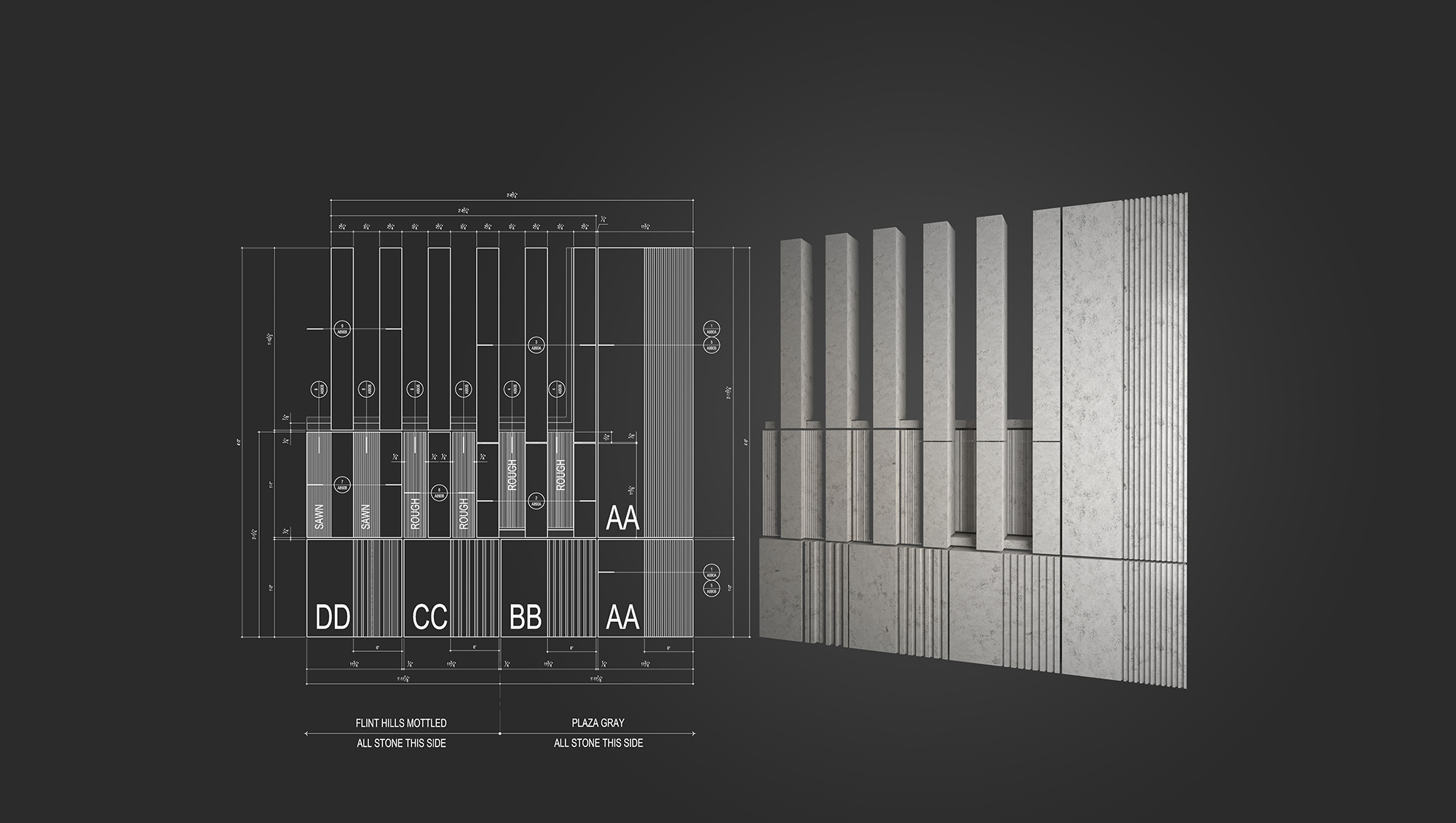
The limestone cladding of the addition responds to the trim of the existing buildings on site, as well as several adjacent stone structures. The stone is regionally sourced from the Flint Hills in Kansas, 380 miles from the site. The limestone’s warmth, variation, and natural occlusions reveal its geologic formation and embedded history of place. Lighter toned 2-FT by 6-FT panels are set in contrast to darker toned 6-IN by 6-FT panels. The tooled mortar joints ease the surface, exhibiting the hand of the mason. Natural stone helps connect the Synagogue to its place, providing an expression of civic presence and permanence for Kol Rinah.
_____________________________________________________
Collaborators:
McClure Engineering (MEPFT)
Alper Audi Associates (Structural)
Civil Design, Inc (Civil)
Ten x Ten (Landscape)
Kirkegaard Associates (Acoustics)
Dennis G. Glore, Inc (Kitchen)
Troco Custom Fabricators
_____________________________________________________
Special Thanks:
Paul Naecker
_____________________________________________________
“The Patterhn Ives Team has come up with a seemingly miraculous design solution, which provides a new Sanctuary within the target budget. They listened carefully, responded thoughtfully, and designed a beautiful, cost-efficient, multi-tiered solution that meets all of our programmatic needs and responds to the various outcomes of our fundraising.”
Kol Rinah Building Committee
The new sanctuary is designed as an acoustic environment tuned for speech and vocal music, with flexibility to serve both amplified and unamplified services and events. Primarily constructed as a masonry mass for acoustic isolation, the interior is shaped with subtly angled walls and a strongly sculpted ceiling, which interact with carefully located absorptive treatments to create a warm, supportive sound. A slatted white oak wall at the back of the space absorbs and scatters sound to avoid confusing echoes. The result is a quiet space that supports clear communication, fellowship, and contemplation.
“Kol Rinah Synagogue was an immediate favorite for the jury. The very simple mass is modestly manipulated to great effect. In addition, the materiality and section are beautiful and create a spiritual space for two established congregations to unite, worship, and grow.”
2021 AIA St. Louis Design Award Jury Chair: Paul Mankins, FAIA
_____________________________________________________
2022 AIA Saint Louis Design Merit Award: Unbuilt
_____________________________________________________
Location:
University of Missouri - St. Louis
_____________________________________________________
Photography:
Sam Fentress
_____________________________________________________
Status:
Dedication Ceremony - 2025 October 21
Construction Start - 2024 July
_____________________________________________________
A Utilitarian Shell Becomes a Beacon for the Arts
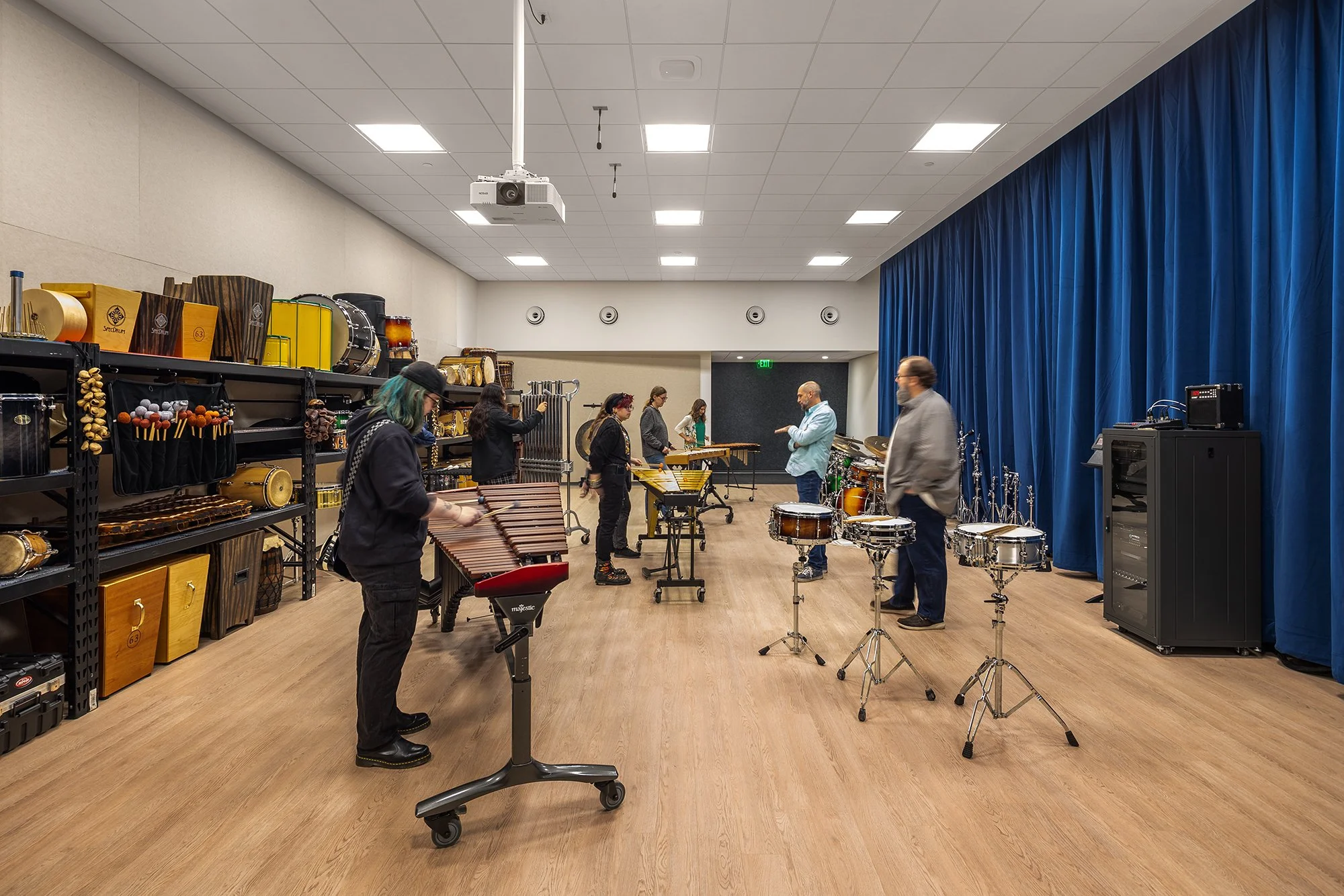
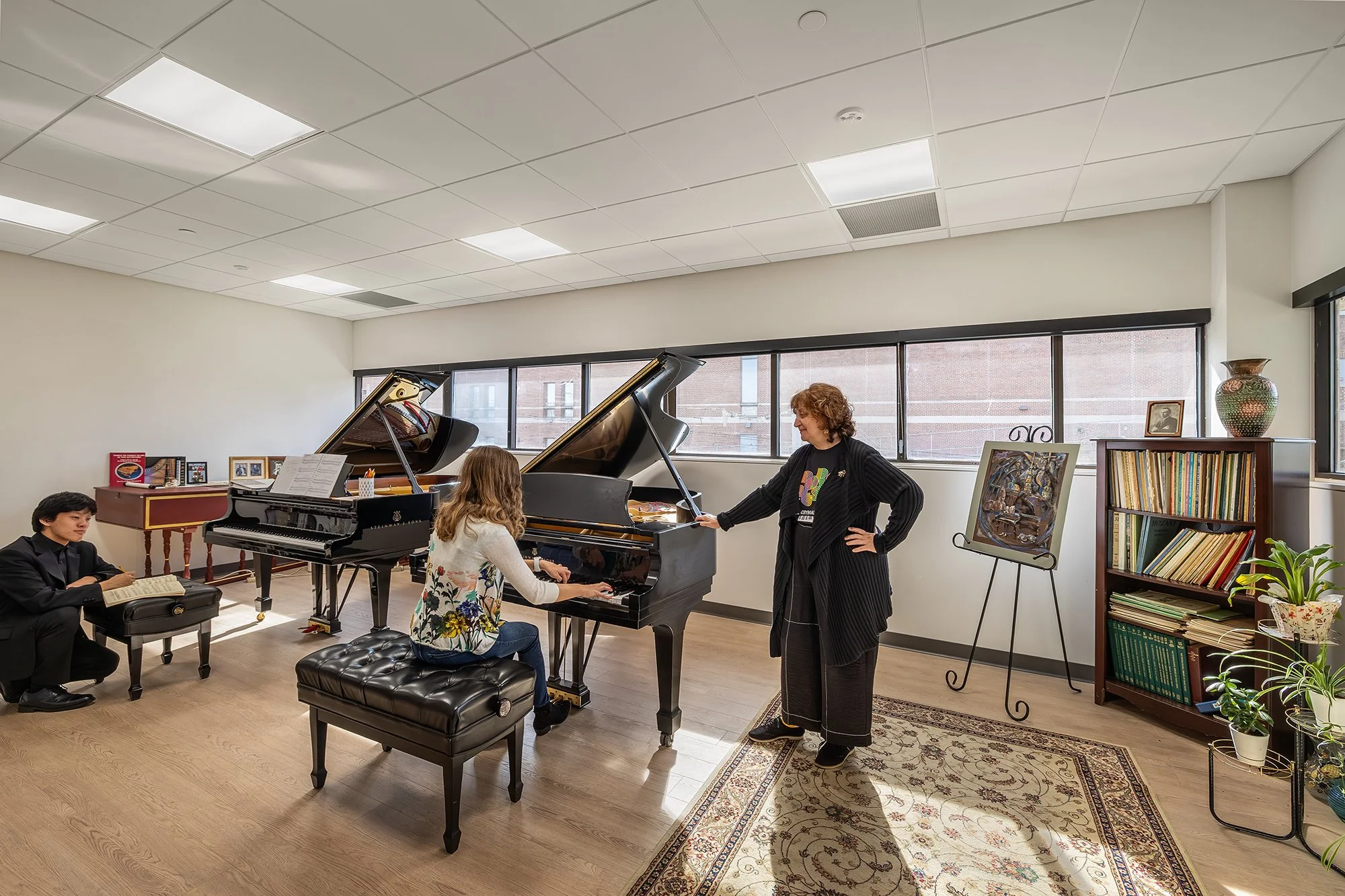
Through a deliberate and acoustically attuned renovation, the former Arts & Administration Building at the University of Missouri - St. Louis is transformed from an under-utilized support facility into a vibrant, light-filled home for the Departments of Music and Art+Design. Nestled beside the Touhill Performing Arts Center – and positioned between airport flight path and light-rail hum – the reimagined Creative Arts Building embraces its context and constraints, leveraging limitation into creative opportunity.
Double Band
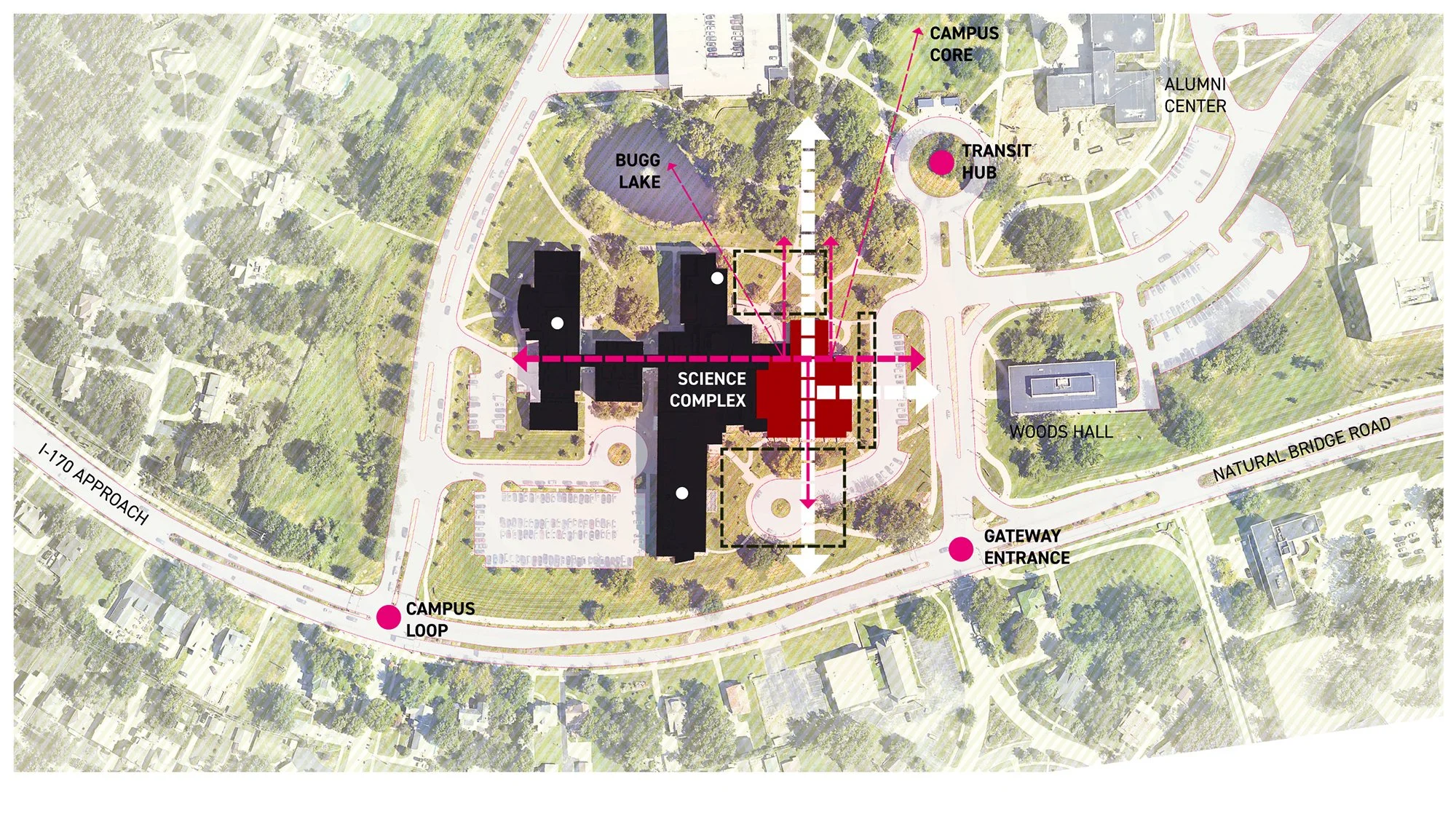
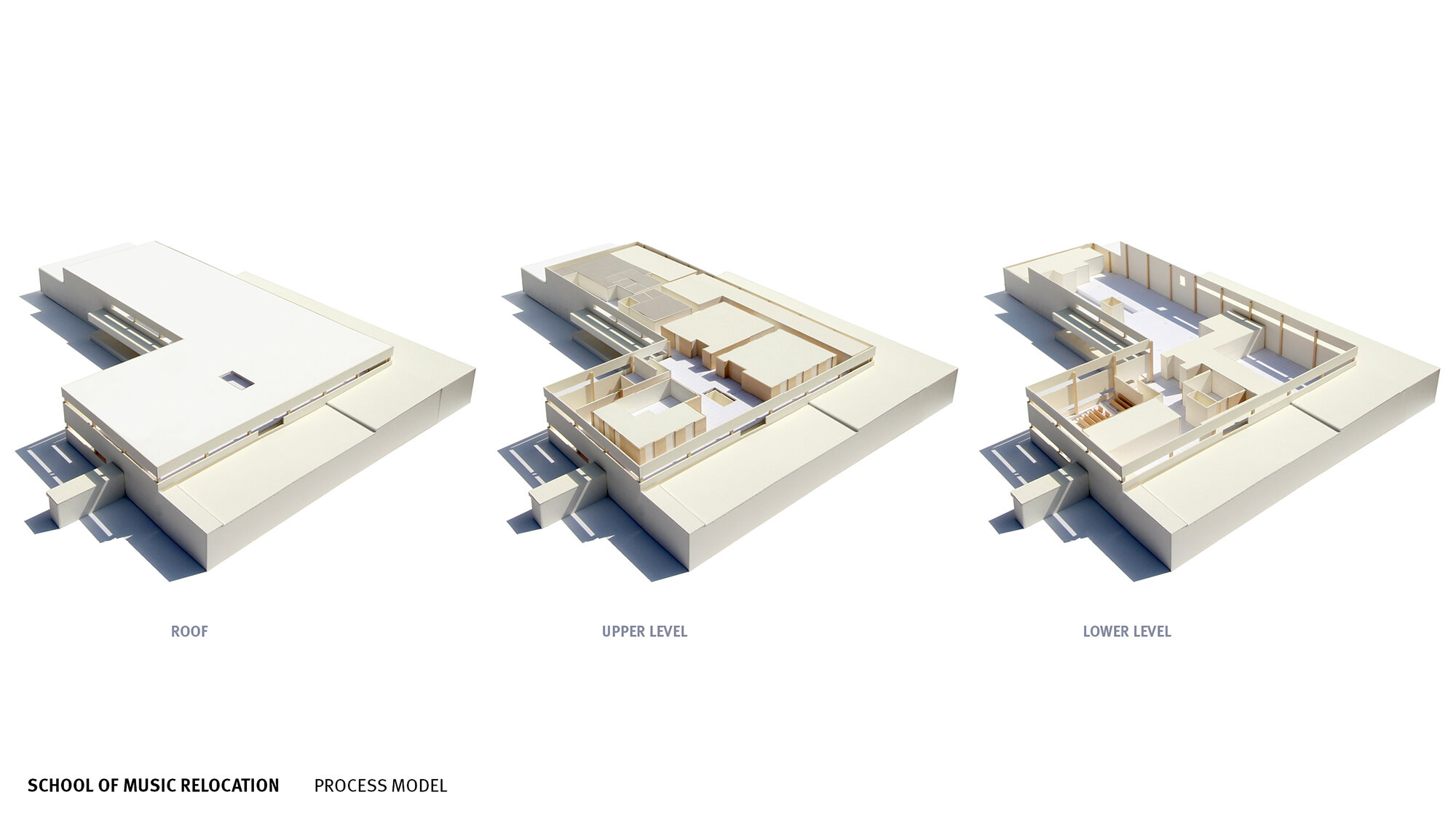
Originally built in 1975 to house central support services and vehicle maintenance, the structure plays a central role in UMSL’s north campus consolidation, due to its previous high percentage of unassigned space and strategic adjacency to the Touhill Performing Arts Center. This proximity fosters a nascent arts district, where the Departments of Music and Art+Design converge in a shared dialogue and academic community. The building’s modest horizontal profile, embedded within the site’s topography is defined by a continuous band of ribbon windows and a robust concrete structure reflecting its utilitarian origins. Its unique setting and orientation offer significant promise for outdoor performance, studio arts workspace, digital media platform and academic courtyard as well as connections to the metro station, planned north gateway and campus core.
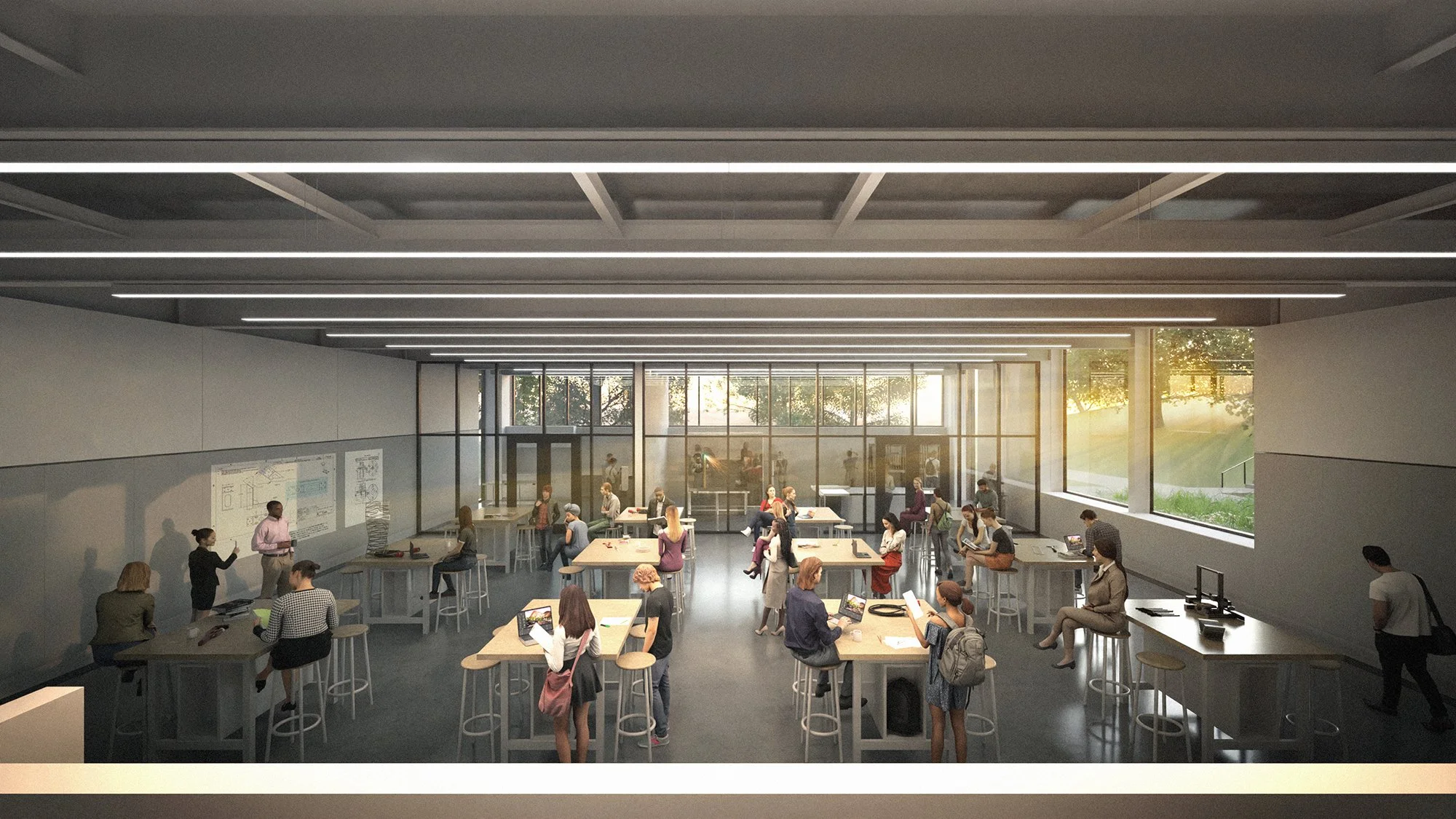
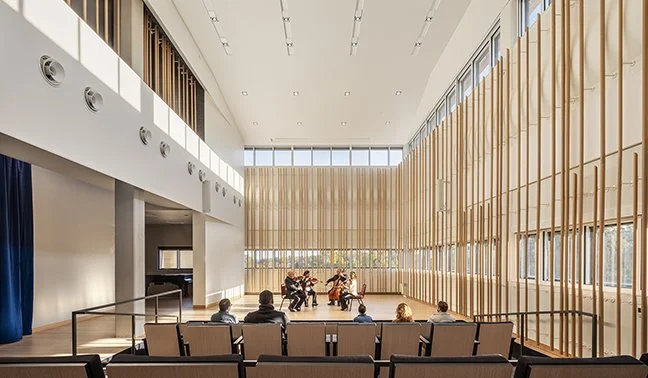
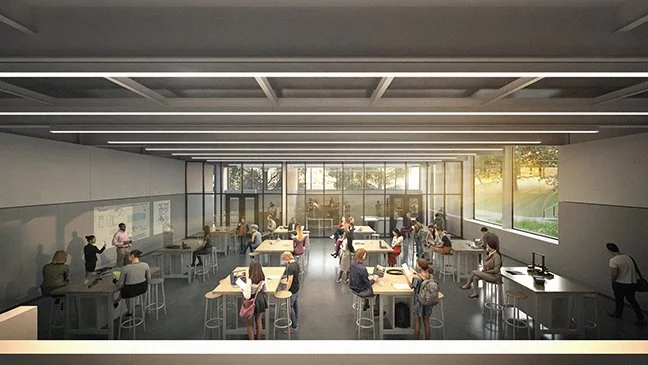
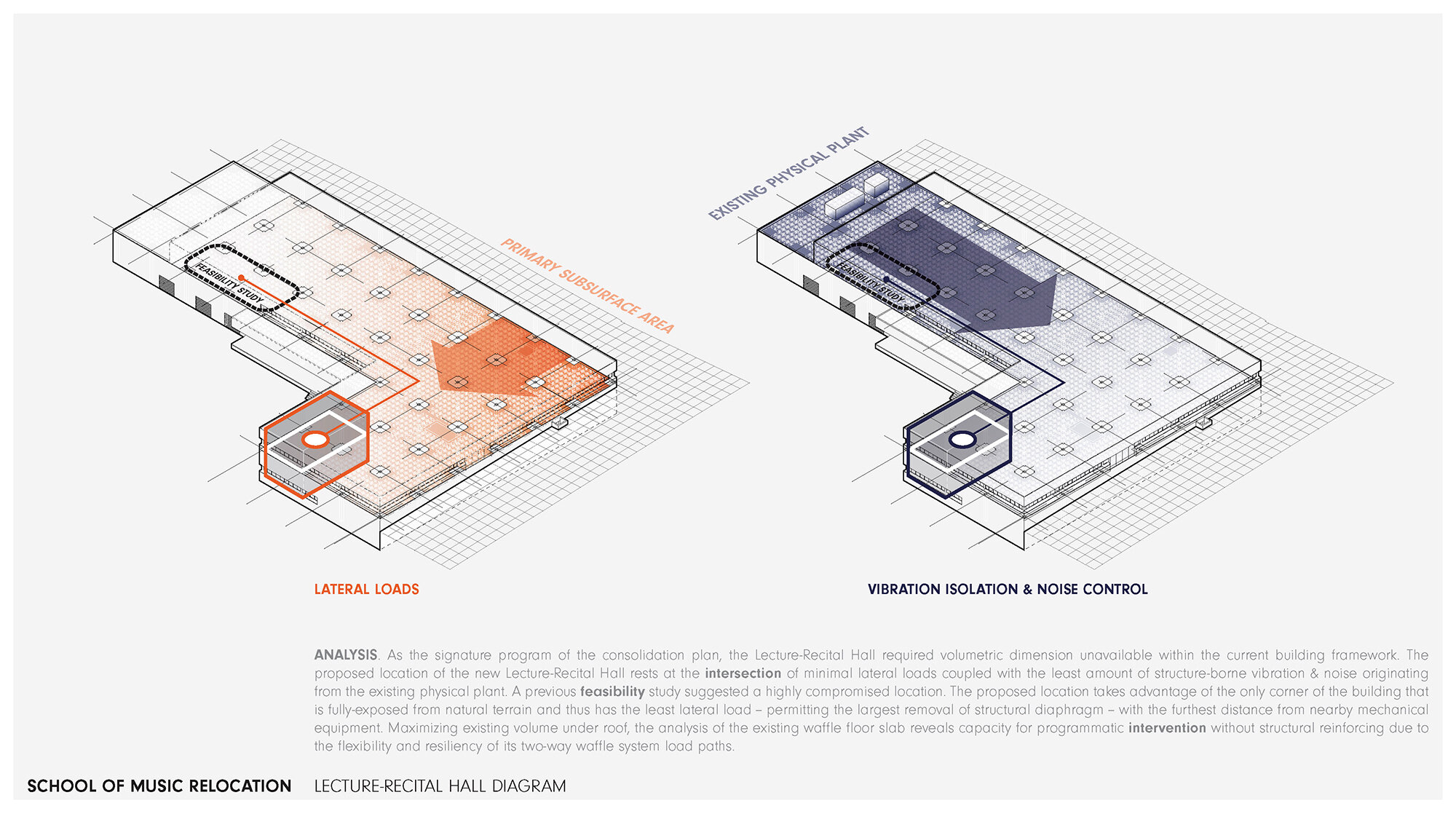
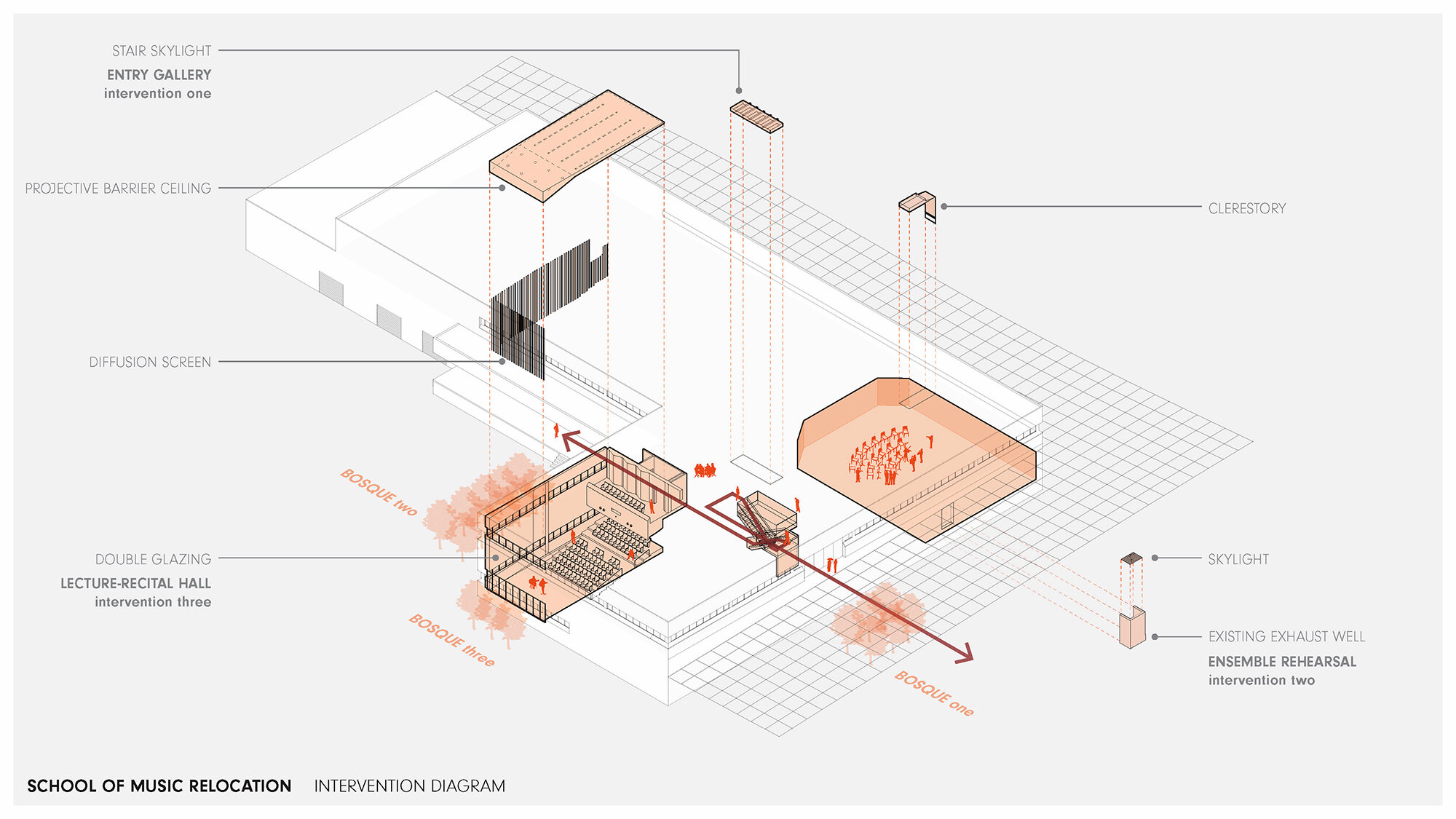
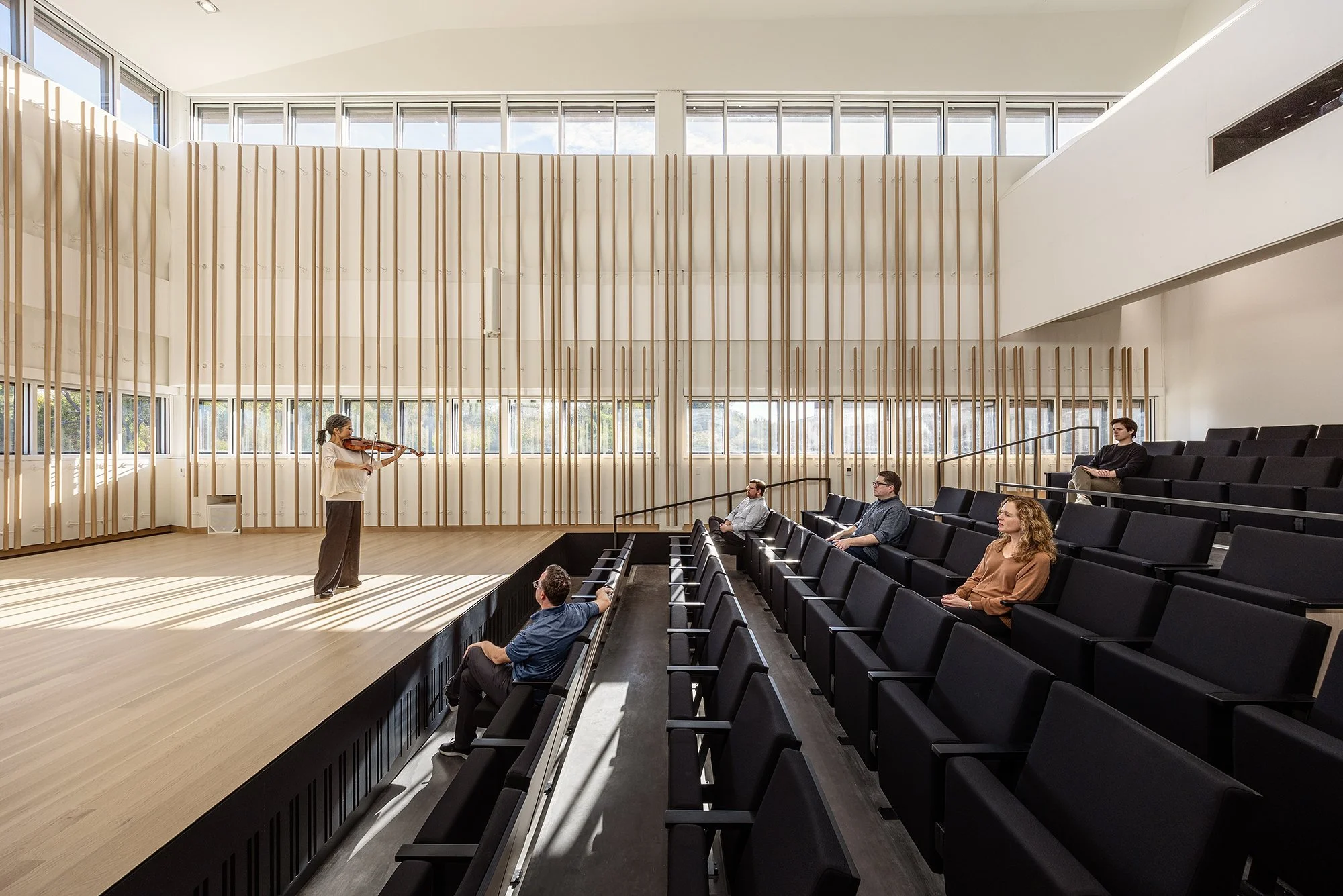
Upon entry, two signature programmatic spaces are revealed in a common gallery representing the pairing of previously independent departments. For Art+Design, the Digital Media Studio with far-reaching views and ample daylight is equipped for advanced digital exploration and 3D fabrication, signaling the department’s forward-looking trajectory and commitment to new media. This state-of-the-art teaching studio welcomes each visitor upon entry and offers pin-up space, 3D printers, laser cutter and virtual teaching classroom infrastructure. Similarly, the Department of Music is anchored by an adjacent double-height Lecture-Recital Hall. This space emerges through the surgical removal of existing structure, revealing a ‘double band’ of ribbon windows that flood the hall with daylight. A sound-diffusing wood screen and double-glazing enhance both acoustic and visual performance. Located at the building’s northernmost corner, the Hall benefits from minimal lateral load and distance from primary mechanical equipment allowing for the largest structural diaphragm removal, vibration isolation and a dramatic spatial reveal. This unique pairing permits all visitors to the Creative Arts Building to be active participants in these creative enterprises.
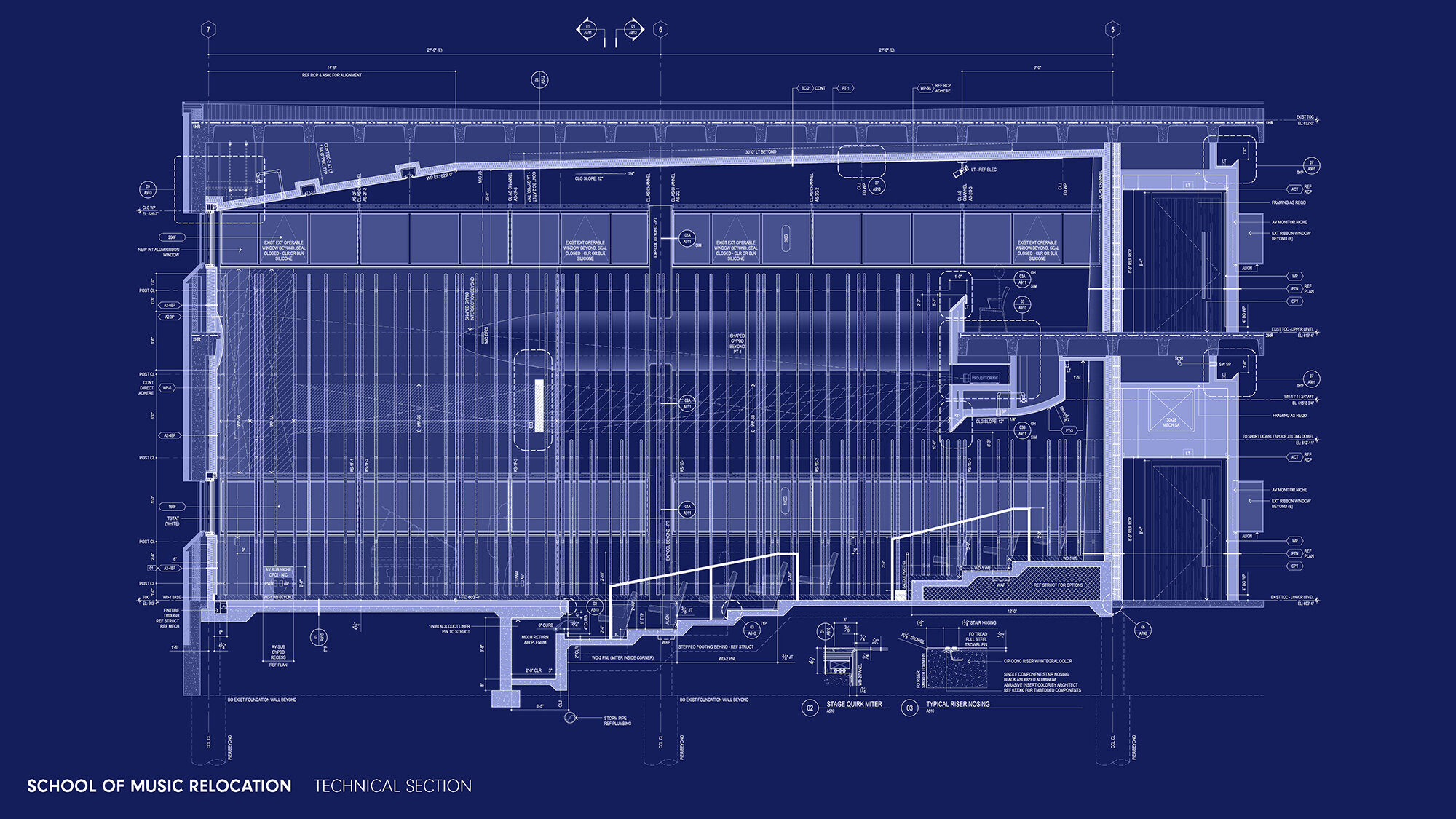
A muted and resilient material palette including natural white oak, natural wood-wool tectum, cementitious floor coatings, spun polyester resilient panels, acoustically diffusive surfaces and absorptive fabrics unite the two programs. Support space and teaching environments are consolidated and carefully placed in programmatic blocks that float within the building enclosure to provide well-isolated functions at a modest expense. This strategy permits precise placement in relation-to and interface-with the structure while enhancing circulation, orientation and wayfinding. The program blocks are constructed primarily of multi-layer gypsum board and double-stud construction – in many cases totaling eight layers – as well as gasketed door hardware and specialized mechanical systems to provide sufficient sound isolation from room-to-room. The building’s singular stair naturally orients visitors and anchors the entry commons while a new oversized elevator supports both passengers and the movement of large instruments and art installations alike, providing a fully accessible facility.
Intimately linked by a common spirit, this transformative renovation for Music, Art and Design is a reawakening – where structure becomes stage, concrete becomes canvas, and every studio and space invite collaboration, experimentation, and expression. The Creative Arts Building now stands not only as a vessel for education, but as a testament to the power of design to elevate purpose, unify disciplines, and inspire the next generation of artists.
Data Points
• Renovation Work Area: 25,735sf
• Lecture Recital Hall: 92 Seats
• Digital Media Studio: 15 Workstations / 19 3D Printers
• Pianos: 48 Total = 30 Grand & Upright / 18 Electric
• Teaching Studios: 15
• Instrument Lockers: 68
• Practice Rooms: 7
• Program Upgrades: Percussion Studio
• Program Upgrades: Piano Lab & Music Tech Classroom
• System Upgrades: Mech, Plumb, Telecom & Fire Protection
• AV-IT Upgrades: High Flex Virtual Teaching Classroom
• AV-IT Upgrades: Recording and Streaming Capabilities
• Acoustic Mass: Approximately 4,000 sheets of Drywall
• Noise Isolation: Over 3,300 feet of lined ductwork labyrinths
• Carbon Offset: Approx. 2,000 metric tons CO₂e avoided
• Project Duration – Pre-Design thru Construction: 7 years
_____________________________________________________
Collaborators:
McClure Engineering (MEPFT)
KPFF (Structural)
Kirkegaard Associates (Acoustics)
ATIS (Elevator)
Vermeulens (Cost)
K&S Associates, Inc (General Contractor)
_____________________________________________________

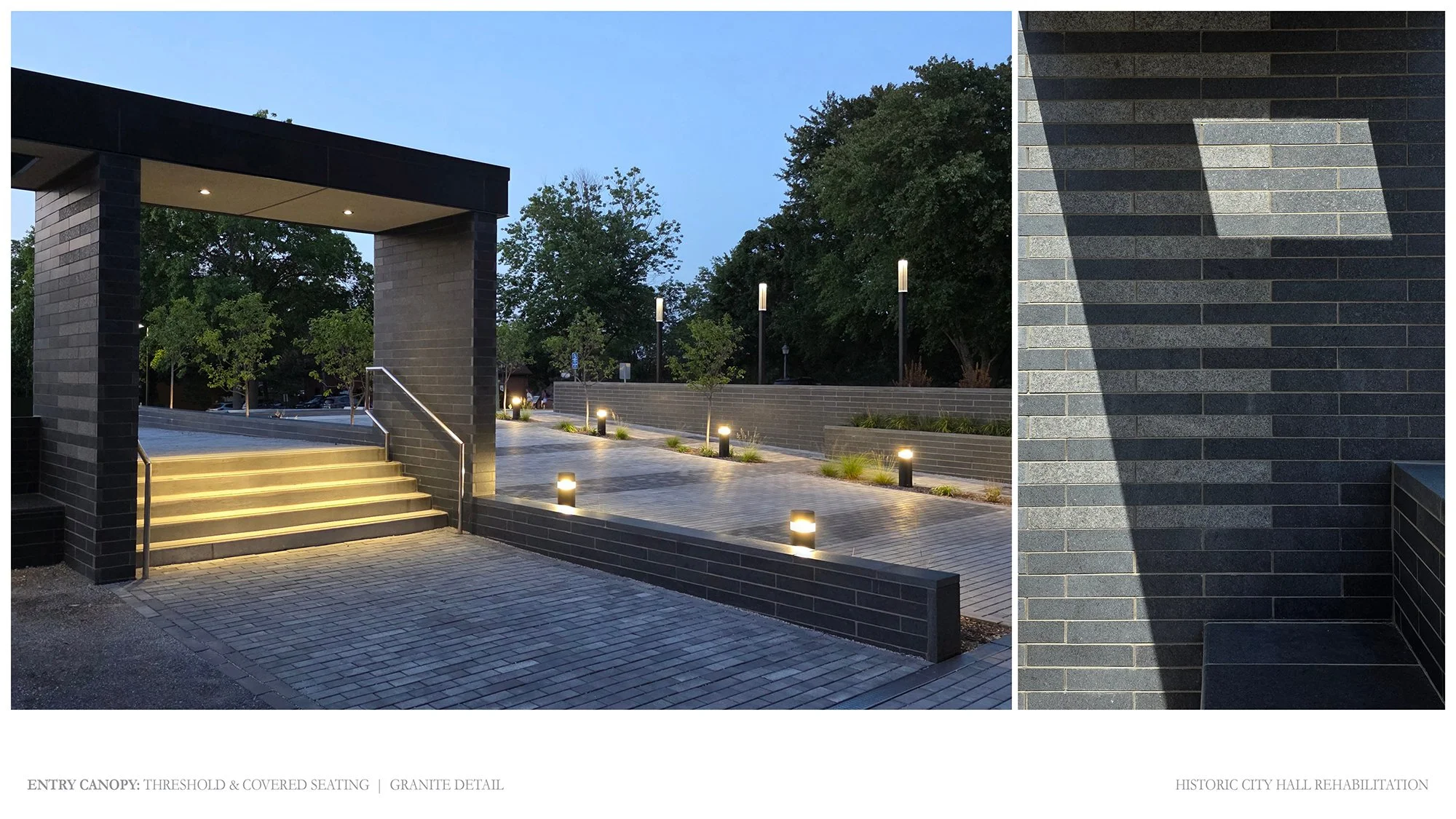
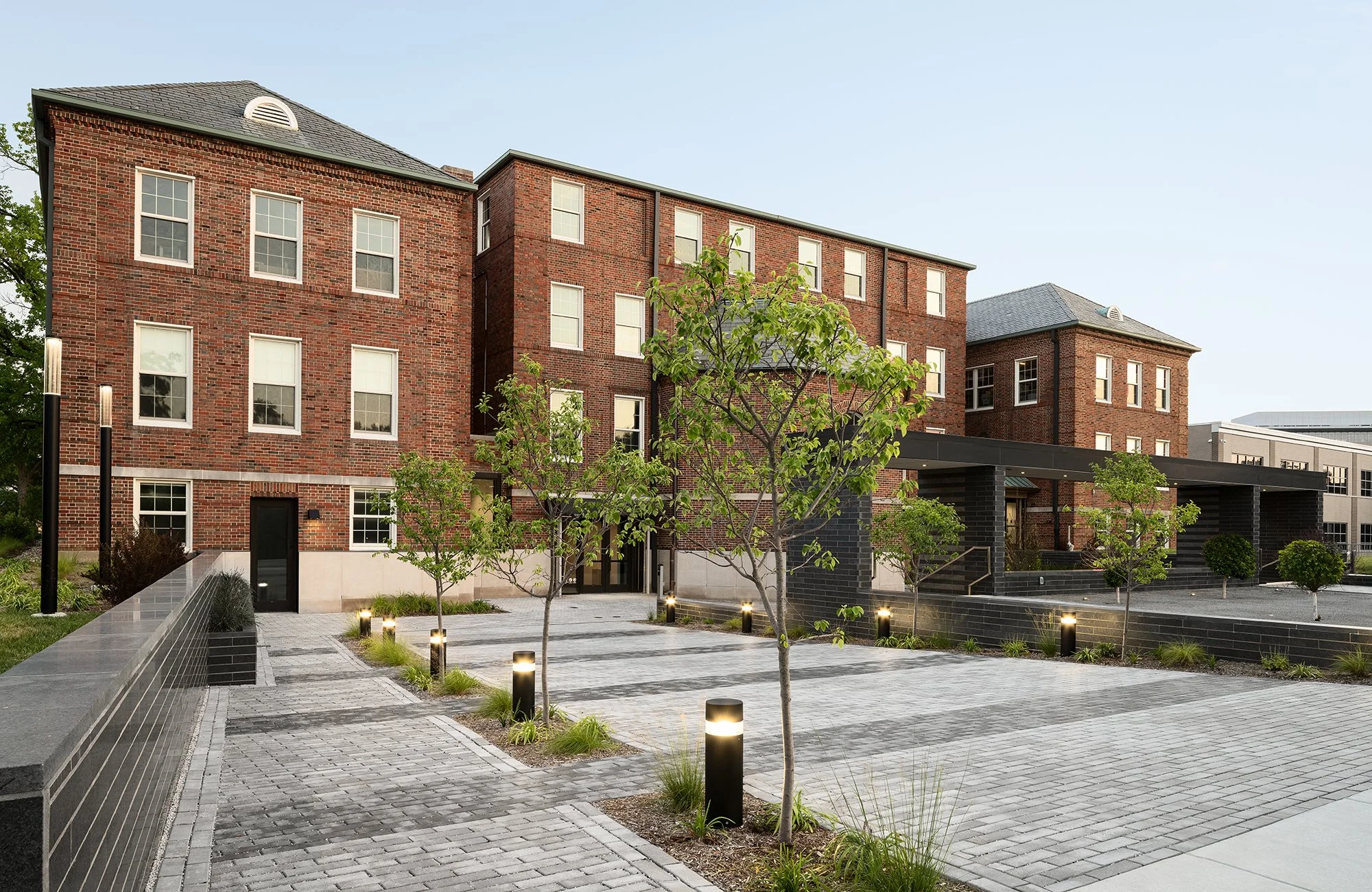
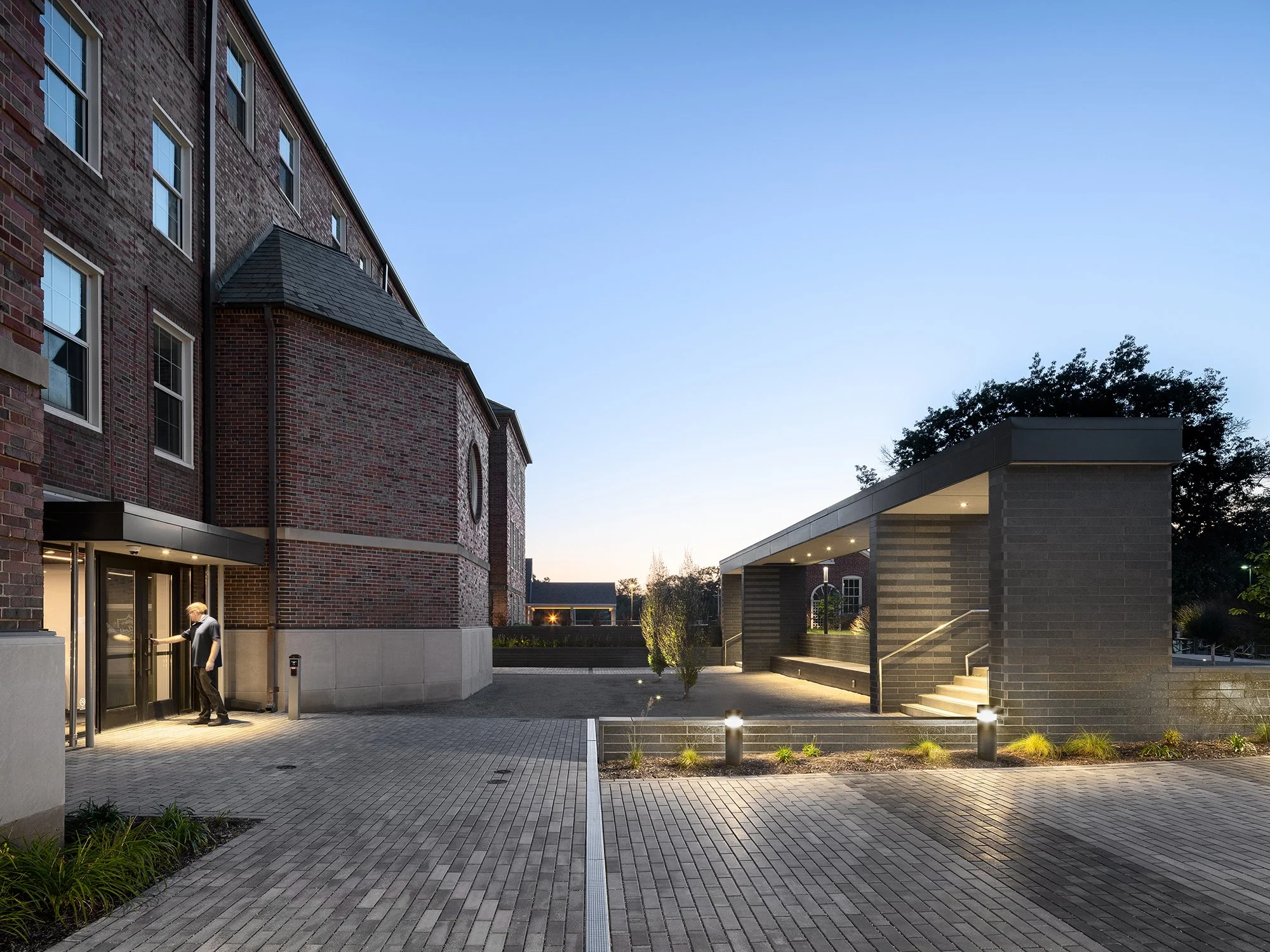
“The complexity of our project seemed overwhelming at first. Trying to bring two uniquely distinct programs from different areas of campus together appeared to be impossible. Patterhn Ives worked closely with user groups to gain full understanding of both programs and developed a beautifully designed project…and it was under budget!”
Josh Halsne, Project Manager, University of Missouri - St. Louis
“You may have heard us say that a string quartet is not four instruments, but five -- the hall we play in is part of our sound. Patterhn Ives and the acousticians at Kirkegaard knocked it out of the park. It’s unusual to find a space with clarity, presence, warmth, resonance, and balance. Together, these qualities allow for subtleties and nuance, as well as a huge dynamic range. This is a performance space that will inspire generations to come.”
Joanna Mendoza, Violist, Arianna String Quartet, and Professor of Viola, UMSL
“Buildings like what we’re celebrating today will serve students by providing quality academic environments that inspire learning, creativity, and innovation while bringing renewed energy to campus…We’re setting the standard for the future of our workforce and for students to become some of the top competitors in the world.”
Missouri Senator, Brian Williams
_____________________________________________________
2022 Fodor’s Travel Most Beautiful Library in US (1 of 11)
2014 AIA National Honor Award
2014 Chicago Athenaeum: American Architecture Award
2014 Int. Interior Design Assoc.: Library Honor Award
2013 AIA Central States Merit Award
2013 AIA/ALA Library Building Honor Award
2013 Nat'l Trust for Historic Preservation: Honor Award
2013 Architizer: Popular Choice Award
2013 Architizer: People’s Choice Award (Library)
2013 Bldg Design & Construction: Reconstruction Award
2013 Buildings Magazine: Building of the Year Award
_____________________________________________________
Restoration Consultant:
Frens and Frens LLCnow Patterhn Ives LLC
_____________________________________________________
Design Architect:
CannonDesign
_____________________________________________________
Architect of Record:
Grice Group
_____________________________________________________
Services:
Specifications Consulting
Construction Administration
Exterior Conservation
Interior Restoration
_____________________________________________________
Photography:
Timothy Hursley
_____________________________________________________
Status:
Completed 2012
_____________________________________________________
The Saint Louis Public Library was designed by the New York firm of Cass Gilbert, architect of the U.S. Supreme Court and several state capitols, and completed in 1912. To celebrate the 100th anniversary of the building, the Library completed a major modernization and restoration program, designed by Cannon Design with Frens and Frens as consulting restoration architect.
Work included documentation and construction administration for exterior conservation of granite masonry, clay tile and slate roofing, copper built-in gutters, and exterior bronzework. Interior work included refinishing and repairs to stone flooring and wall facings, refinishing of architectural casework, paneling, doors, and other stained woodwork; restoration and repainting of ornamental plaster ceilings, and coordinating protection of interior finishes during construction.
_____________________________________________________
“For Central Library to win the highest recognition from both the National Trust for Historic Preservation and the American Institute of Architects shows the depth of talent that St. Louis brings to the field. Central Library shows the world what St. Louis can do.”
Waller McGuire, Executive Director, St. Louis Public Library
“Meticulously renovated historic space combines with a sensitive combination of new construction within the existing historic shell to create a marvelous set of experiences for visitors.”
2013 AIA / ALA Library Building Design Award Jury
_____________________________________________________
2022 Learning By Design Magazine: Outstanding Project
2021 Building STL Award: St. Louis Biz Journal (East End Transformation)
_____________________________________________________
Location:
Washington University in St. Louis
_____________________________________________________
Architect:
Perkins Eastman
_____________________________________________________
Associate Architect:
Patterhn Ives
_____________________________________________________
Photography:
Paul Rivera
Sam Fentress
_____________________________________________________
Status:
Completed 2020
_____________________________________________________
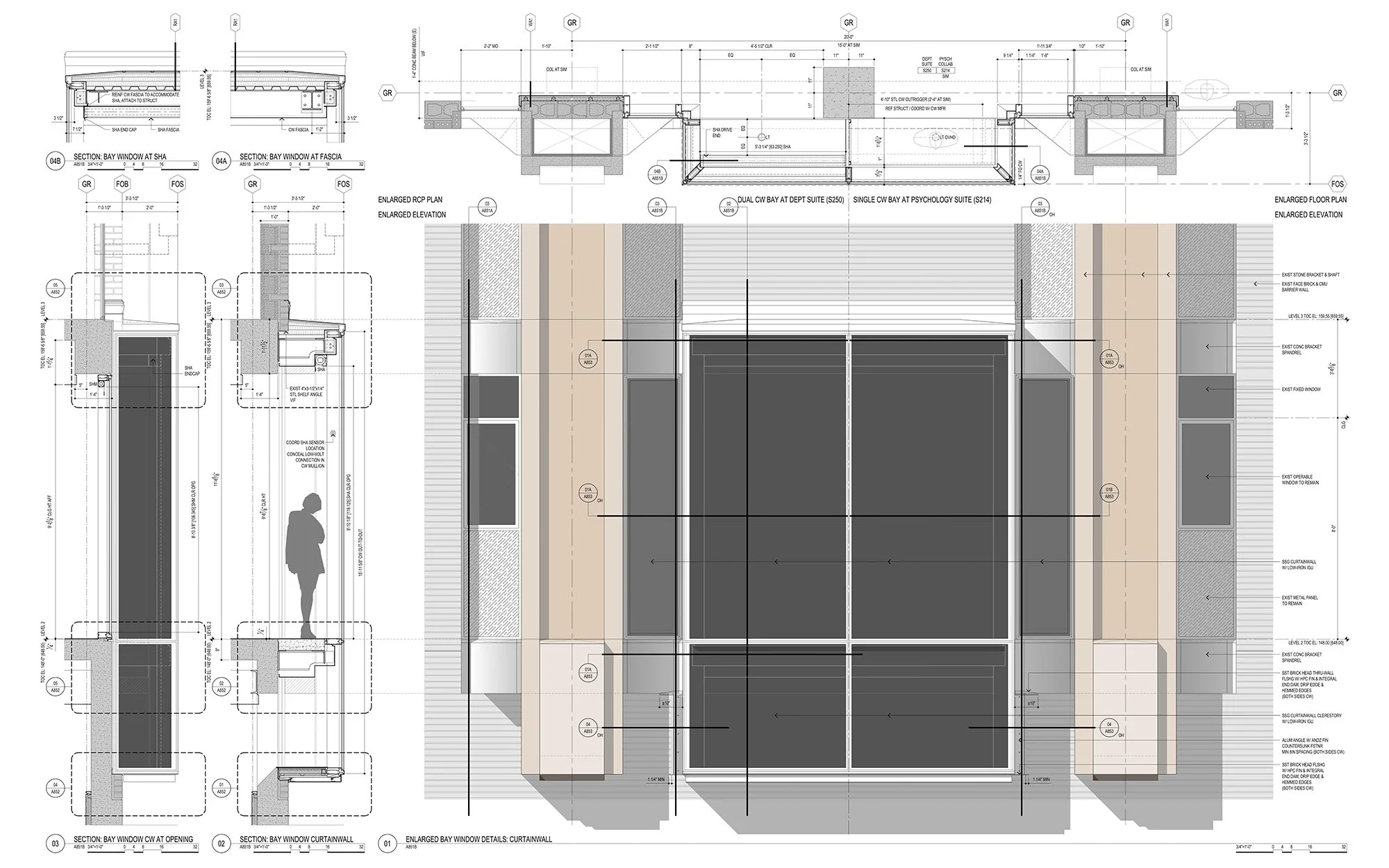
As the final project within Washington University’s East End Transformation, James M. McKelvey, Sr. Hall will serve as the new home of the Department of Computer Science & Engineering. Designed for flexibility and rapid change, the new building endeavors to provide a model for interdisciplinary collaboration by fostering student engagement, high-impact research, and state-of-the-art training for future computer scientists and engineers.
Replacing a vast surface parking lot, the new building is sited at a prominent corner of the historic campus along a formal allee, anchoring a vehicular entrance and framing the historic axial view toward the center of campus. The new building physically connects to an existing Collegiate Gothic campus building, effectively extending the traditional language and materiality, turning the corner to complete a more formal outward appearance. The outer perimeter responds to the traditional campus architecture, while a newly formed inner courtyard adopts a more transparent and informal language, reflecting the innovative research taking place inside the building and simultaneously responding to recent contemporary campus additions. The project strives for resonance with its context and its place, complementing both tradition and modernity.
Working closely with the Perkins Eastman led design team, Patterhn Ives was responsible for collaborative design, documentation, and execution of the exterior enclosure that complements both the historic collegiate gothic architecture and the new contemporary additions of the East End Campus Plan. With attention to solar orientation and shading, ample natural light, high-performance façade design, and energy-efficiency, McKelvey Hall promotes student productivity and well-being, while supporting the University’s operational goals and commitment to sustainability.
_____________________________________________________
Collaborators:
Michael Vergason Landscape Architects
KPFF Consulting Engineers (Structural)
Ross & Baruzzini Inc (MEP)
McClure Engineering (Campus Utilities)
Cole & Associates Inc (Civil)
Envision Lighting Design
Antella (Site Lighting & Security)
Webb Foodservice Design
K. H. Lemp Elevator Consultant Inc.
CPG: The Capital Projects Group (Cost)
McCarthy Building Companies (Construction Manager)
_____________________________________________________
Courtyard at Dusk - Photo: Sam Fentress
Photo: Sam Fentress
Curtainwall Detail & Sustainability Measures - Photo: Sam Fentress
Courtyard Approach - Photo: Sam Fentress
Entry Facade - Photo: Paul Rivera
Department Suite - Photo: Paul Rivera
Large Conference Room - Photo: Paul Rivera
Research Neighborhood with View to Brookings Hall - Photo: Paul Rivera
West Facing Facade Detail - Photo: Paul Rivera
_____________________________________________________
2024 AIA Central States Design Citation Award
2024 AIA Springfield Design Honor Award
2024 AIA Saint Louis Design Merit Award
2023 Specialized Textiles Association Award
2020 AIA Springfield Public Recognition Award
2018 AIA Saint Louis Design Honor Award: Unbuilt
Citation for Technical Advancement
_____________________________________________________
Location:
Springfield, Missouri
_____________________________________________________
Photography:
Architectural Imageworks
_____________________________________________________
Status:
Tent Theatre Opening Night - 23 June 2023
Dedication Ceremony - 30 October 2022
_____________________________________________________
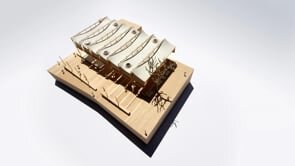
A new outdoor performing arts and event venue informed by the historic campus context at Missouri State University, the longstanding tradition of Tent Theatre, and a progressive vision to better integrate arts, education, and community.
During a hot summer in 1963, a tent was erected at Missouri State University to house a series of summer performances conducted by the theatre department. Conceived as a response to poor indoor environmental conditions, the inaugural production was so wildly popular that it quickly outgrew its initial venue, cementing an annual event and prompting a series of expansions and modifications to both its capacity and format over the next fifty years. Now entering its 56th season, Tent Theatre has become synonymous with the region’s summer offerings, attracting thousands of theatre-goers to a unique affair in which students perform alongside professionals.
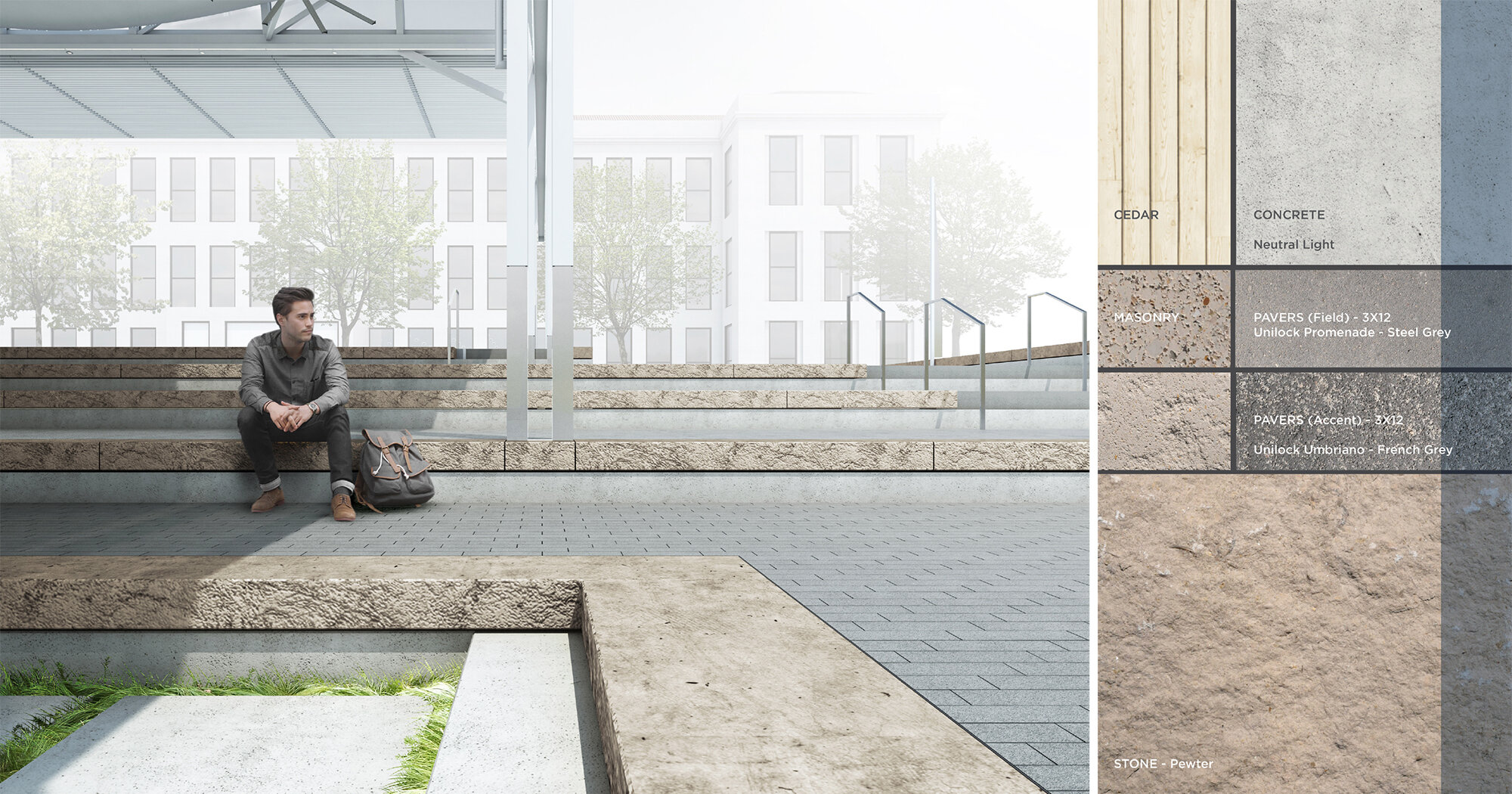
This historic event warrants a venue which reflects its legacy within the current trajectory and contemporary needs of the University and surrounding region. The focus of this transformation centers on both site and shelter; a reimagination of a campus quadrangle as well as the venue itself. An inclusive outdoor pavilion for the performing arts evolves from a temporary festival to a site of year-long engagement and events.
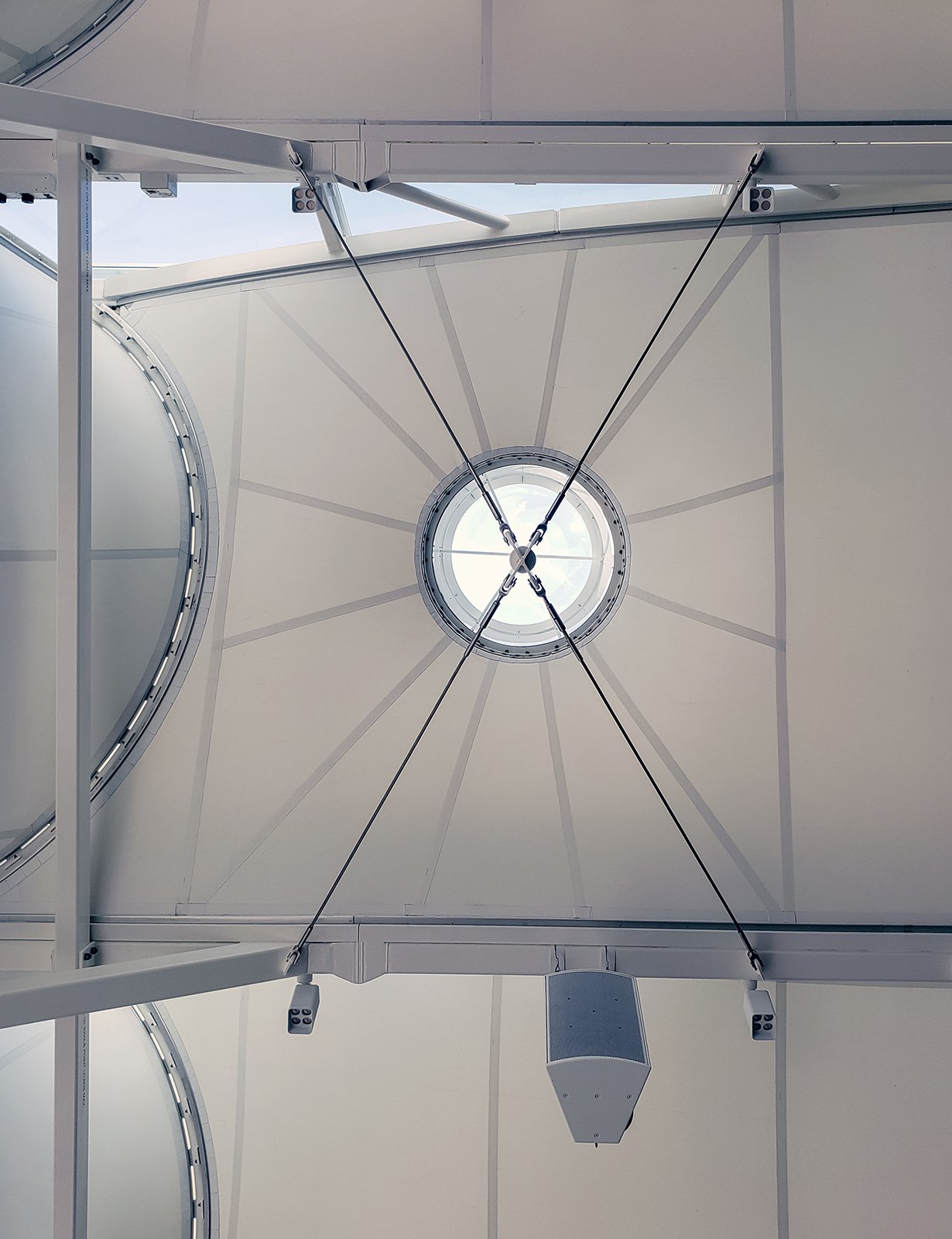
The pavilion floats above a landscape of shallow terraces that merge performance and program. Two large, accessible paths frame a series of renewed outdoor spaces which host an array of formal and informal program. Incorporating themes of light, diffusion, resonance, and sightline, the canopy synthesizes all performative requirements into a single, translucent pavilion roof that dramatically enhances the experience for both actor and audience while recalling its origins under tent.
_____________________________________________________
Collaborators:
Threshold (Acoustics / AV)
Schuler Shook (Stage / Lighting)
Civil Design, Inc (Civil)
Faith Group, LLC (MEPFT)
KPFF Consulting Engineers (Structural)
Vermeulens (Cost)
Carson-Mitchell, Inc (General Contractor)
_____________________________________________________
“We are excited about this project. Creating an art park and permanent amphitheater will take our historic Tent Theatre to the next level. It will also provide a robust gathering spot on our campus for other productions and community events.”
Clif Smart, Former President, Missouri State University
TENT THEATRE
Patterhn Ives + Missouri State University
“This project celebrates the history and tradition of gathering for performances by transforming the existing quadrangle, and amplifying the relationship between the tent and its context. The tent shelter, the landscape and section of the quadrangle, and the surrounding buildings are thoughtfully and successfully integrated. It’s innovative, it’s light, it’s elegant.”
2018 AIA St. Louis Design Award Jury Chair: Kim Yao, AIA
_____________________________________________________
Link to current PBS Film ‘American Masters: Andrew Wyeth’
_____________________________________________________
2014 Preservation Alliance PHL: Grand Jury Award
_____________________________________________________
Location:
Chadds Ford, Pennsylvania
_____________________________________________________
Restoration Architect:
Frens and Frens LLC now Patterhn Ives LLC
_____________________________________________________
Services:
National Historic Landmark Nomination (contributor)
Existing Conditions Assessment
Building Envelope Conservation
Interior Preservation
_____________________________________________________
Status:
Completed 2013
_____________________________________________________
During his lifetime, Andrew Wyeth was considered “the best-known and best-loved American artist in the world.” The Andrew Wyeth Studio is a powerful and unique introduction to this artist who will be studied, referenced and revered for generations to come. As Jamie Wyeth succinctly said, “My father’s studio is the nearest one can get to physically entering into his world.”
Built in 1875 and formerly known as ‘Birmingham Township School No. 2’, the studio where Andrew Wyeth’s famous paintings came to life for nearly 70 years was originally a remote one-room stone schoolhouse. Wyeth painted in the studio from 1940 to 2008, less than a year away from the time of his death in January of 2009.
Andrew’s father, N.C. Wyeth purchased the property in 1925 and assisted with renovations to the schoolhouse with the intent of adapting it to use as a painting studio and home for Andrew and his wife, Betsy. In the early 1950’s, the Wyeths undertook a major rehabilitation of the building, which included construction of the west wing that contained a kitchen, bathroom, and foyer on the first floor and bedrooms on the second floor, allowing re-allocation of space for painting studio, living room, and library in the original schoolhouse.
Andrew and Betsy Wyeth donated the studio to the Brandywine Conservancy in 2008, and in 2011 the Conservancy began a program of assessment and design for both the preservation of the studio and the collection of personal objects owned by the Wyeths. Concurrent with the physical planning for opening the studio to the public in 2012, the Conservancy pursued National Historic Landmark designation for the property. An innovative NHL nomination process resulted in creation of the ‘Andrew Wyeth National Historic District’, to include the studio and the Kuerner Farm, approved in autumn 2013.
The Andrew Wyeth Historic District recognizes two of the most important places in the life of Andrew Wyeth: the Kuerner Farm, a place closely associated with Wyeth’s work throughout his life, and the Andrew Wyeth Studio, where he raised his young family and maintained his studio. These sites constitute some of the most significant properties in the history of American art. Both properties, now managed and meticulously maintained by the Brandywine River Museum of Art, are open for public tours and educational purposes. Their recognition, preservation, and educational use are fitting tribute to Andrew Wyeth and his art.
_____________________________________________________
“A visitor to the Andrew Wyeth Studio today encounters spaces that are virtually indistinguishable from how Wyeth left them. Exuding the charm of use and the patina of age, the home and studio betray almost no trace of the extensive interventions undertaken to preserve their structural stability and accessibility for public visitation.”
2014 Preservation Alliance for Greater Philadelphia
_____________________________________________________
2025 ASLA Central States Award of Excellence
2025 ASLA Saint Louis Award of Excellence
2025 IES Saint Louis Illumination Award
2025 CLFMI Les Grube Memorial Design Award
2024 AIA Central States Design Merit Award
2024 AIA Saint Louis Design Honor Award: Small Project
_____________________________________________________
Location:
Saint Louis, Missouri
_____________________________________________________
Photography:
Serhii Chrucky (Esto)
_____________________________________________________
Status:
Grand Re-Opening - 21 April 2024
Groundbreaking Ceremony - 11 April 2023
_____________________________________________________
Once the site of two adjoined vacant lots at a prominent intersection on Cherokee Street, the renewal of Love Bank Park has been the subject of a yearslong community vision for a flexible public gathering and event space since its advent as a grassroots community basketball court in 2015.
Following the demolition of the structures that once stood on the site, the surface was paved in asphalt and left as a vacant street corner for years before a small group of local community members installed a single basketball hoop in an attempt to activate the space. In the years that followed, Love Bank Park became the scene for myriad local events and gatherings, prompting the Community Improvement District to gather feedback on long-term investment in the park as a permanent fixture in the neighborhood.
The reimagining of Love Bank Park, funded in part by a grant for stormwater retention and filtering, is at once a shaded reprieve from the St. Louis summer heat, a flexible venue for planned and impromptu events, a place for the young people of the neighborhood to gather and play basketball, a permeable stormwater retention system, and a habitat for pollinators. The shade canopy serves as a stitch between these various elements.
Comprised of a series of galvanized steel trusses and clad in a chain link fabric skin, the canopy picks up on the language of the urban basketball court and personifies the park’s grassroots character in its unique use of simple materials. The multi-layered effect of the chain link cladding creates a delicate overhead condition which is pierced by a single tree at its center, framing the performance area below. During the day, the canopy and tree cover provides shaded respite. In the evenings, the character of the canopy evolves into a backdrop for performances and events through a careful lighting strategy which highlights its structural features.
“Love Bank embodies the DIY spirit and creativity of Cherokee Street. It began as an open space for the youth of our community and through its evolution has centered on the needs and dreams of our younger neighbors. Love Bank creates a space where youth can be active, imaginative and feel a sense of pride in their neighborhood.”
Dan Guenther, Former Alderman, 9th Ward.
_____________________________________________________
Collaborators:
Cherokee Street Community Improvement District
Arbolope Studio (Landscape Architecture)
KPFF (Structural)
Introba (MEP)
Civil Design, Inc. (Civil)
Lighting Associates (Lighting Design)
E.M. Harris (General Contractor)
_____________________________________________________
“The team at Patterhn Ives has been integral to the success of this space that has received nothing but praise and positive feedback from neighbors and residents. The project has been celebrated at the local and regional level as an example of what’s possible with small neighborhood parks when thoughtful design is paired with local funding commitments.”
Emily Thenhaus, Former Executive Director, Cherokee Street Community Improvement District
“We are drawn to the incredible transformation of this exterior space. Accomplished through an economy of means and a simple kit of parts, it creates a unique identity for Love Bank Park. The use of chain link, a familiar material for fences that typically divide and exclude, is re-imagined in a way that now connects and invites the community to activate the space.”
2024 AIA Central States Design Award Jury Chair: Karen Fairbanks, FAIA
_____________________________________________________
2024 IES Saint Louis Illumination Award
_____________________________________________________
Location:
St. Louis, Missouri
_____________________________________________________
Photography:
Sam Fentress
_____________________________________________________
Status:
Completed 21 August 2023
_____________________________________________________
The interior renovation of a previously vacant second-level shell space within the University of Missouri St. Louis Patient Care Center plays a critical role in advancing a campus-wide consolidation effort. The project completes the clinical lab education hub for the College of Optometry, where students can now engage pre-clinic training in the same building as the UMSL Eye Center, a public, full-service eye care facility providing state-of-the-art training for the next generation of optometrists and vision researchers.
The 14,000 SF renovation emphasizes themes of spatial and acoustic variety, visual acuity, and daylight management to reinforce all senses for those with visual disabilities. A filter-like planning strategy is anchored by a centralized ‘core’ that organizes pre-clinic classrooms, skills lanes, and study carrels, while providing a central distribution point for required building systems. Two flexible classroom laboratories flank the core, taking advantage of east and west facing apertures to deliver natural light and extend the spaces out into the landscape. A large common space opens to the north side of the core, punctuated by a near panoramic view to the University’s north campus, supporting informal learning, collaboration, and small group presentations.
A modest material palette evokes the anatomy of the eye: the Sclera (white), the Iris (blue-green), and the Pupil (black), creating visual contrast that works in concert with spatial and acoustic contrast as multisensory cues for intuitive wayfinding and clear distinction between open circulation zones and focused study spaces. The result is a generous, daylit, transparent learning environment that promotes student health and wellness while expanding community well-being through improved eye and health care.
_____________________________________________________
Collaborators:
McClure Engineering (MEPFT)
KPFF Consulting Engineers (Structural)
Vermeulens (Cost)
_____________________________________________________
“The teachers may be just as excited as the students about these new spaces. We have really great faculty here and the opportunity for them to engage with our students in such a beautiful space is really going to improve the effectiveness of their teaching. The potential it offers as far as student training and education just takes us to the next level.”
Dr. Keshia Elder, Clinical Professor & Dean, UMSL College of Optometry
_____________________________________________________
Restoration Consultant:
Patterhn Ives LLC
_____________________________________________________
Architect of Record:
Lawrence Group
_____________________________________________________
Status:
Restoration Complete 2019
_____________________________________________________
Photography:
Sam Fentress
_____________________________________________________
_____________________________________________________
Location:
Des Peres, Missouri
_____________________________________________________
Photography:
Serhii Chrucky (Esto)
_____________________________________________________
Status:
Ribbon Cutting Ceremony - 13 June 2025
Groundbreaking Ceremony - 11 March 2024
_____________________________________________________
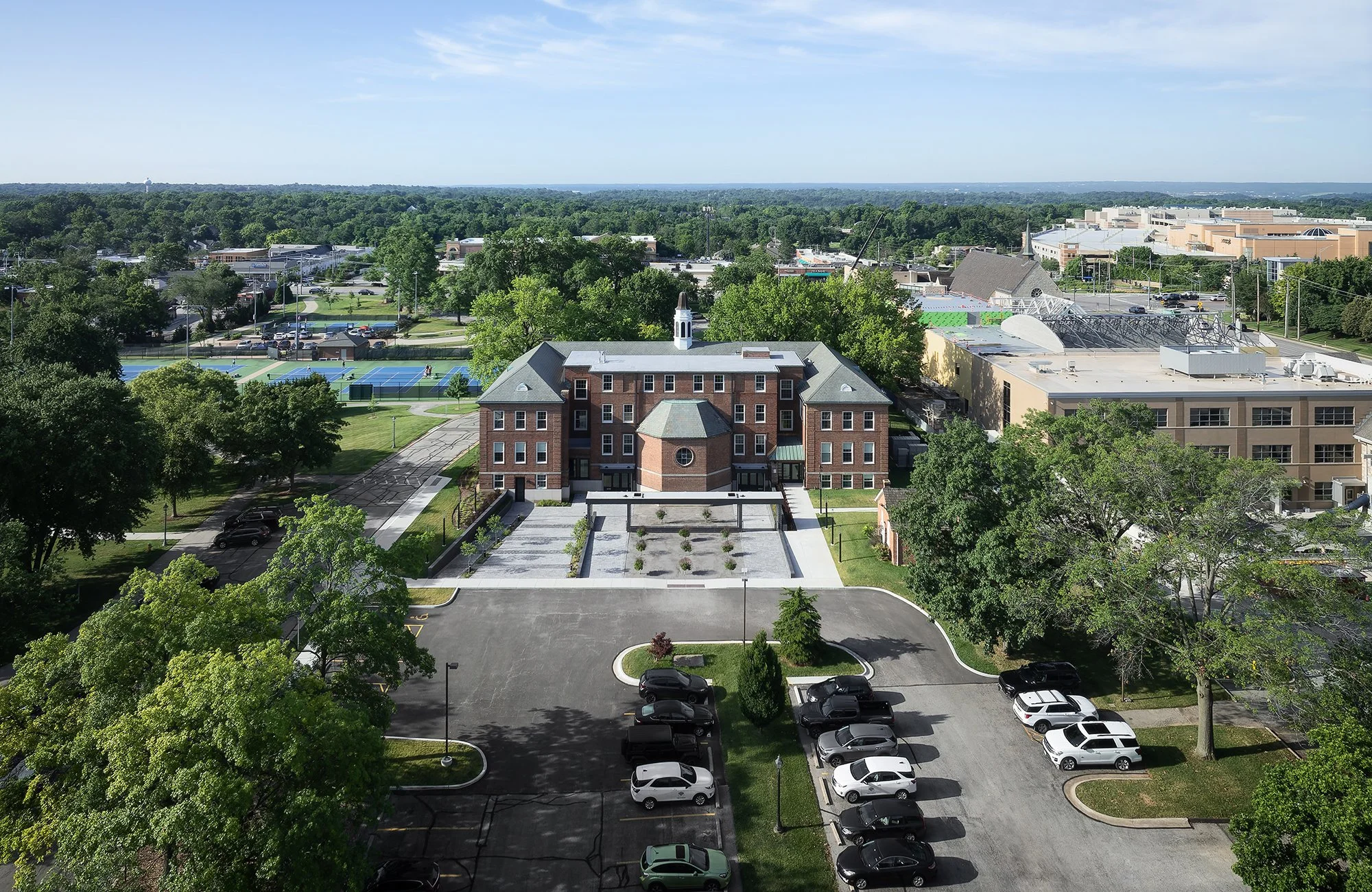
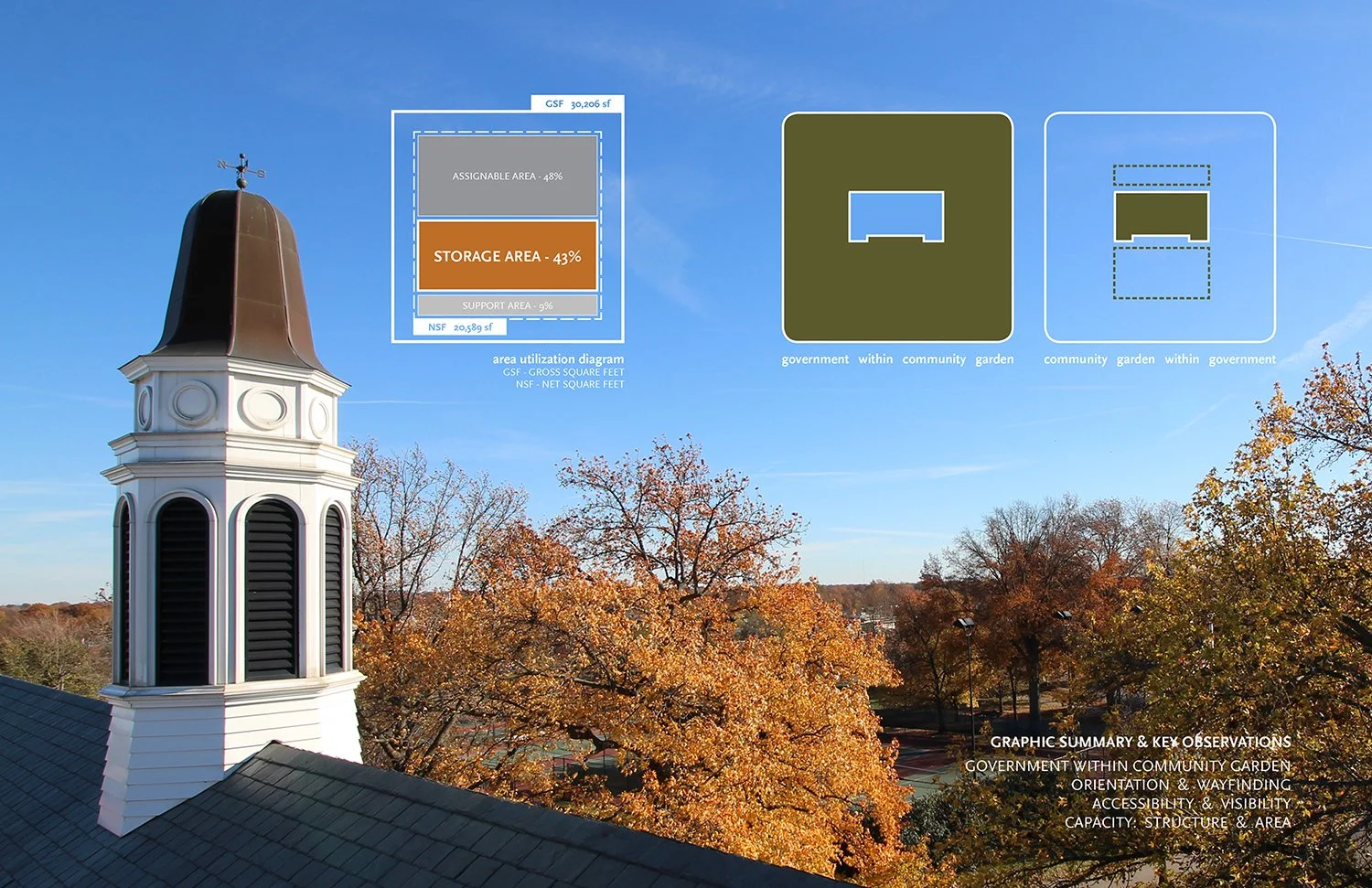
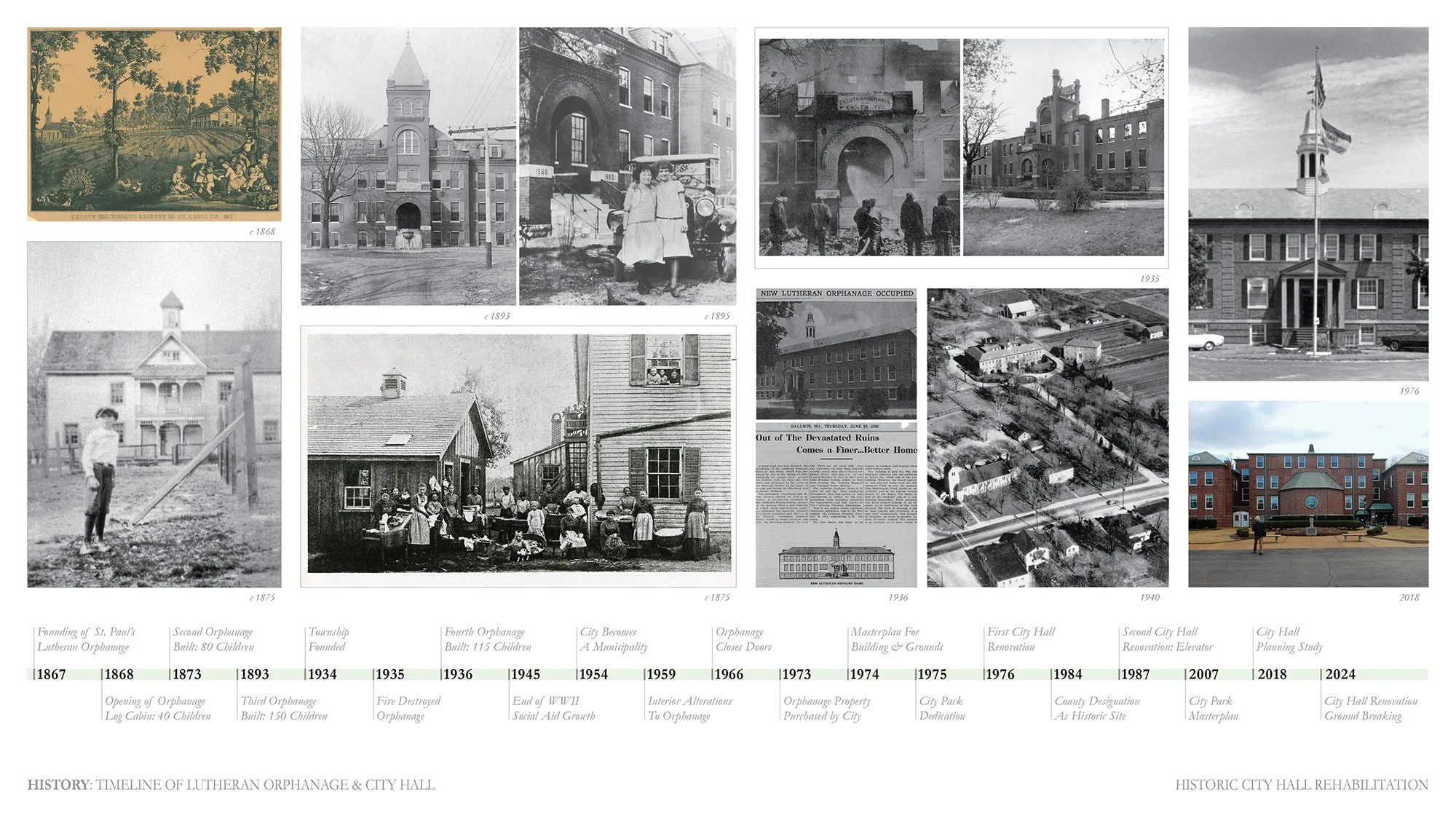
Des Peres City Hall, originally established as the first orphanage west of the Mississippi River, carries a legacy of resilience and transformation. Constructed shortly after the Civil War, the building was rebuilt in 1935 following a devastating fire. In 1973, the City of Des Peres acquired the structure and its surrounding acreage, repurposing it as a center for municipal government and community recreation. Since then, the building has undergone only two renovations (1976 & 1987) while the adjacent park has steadily evolved to meet the growing needs of the city.
Today, Des Peres City Hall stands as a proud symbol of the community, nestled within a picturesque 40-acre landscape of rolling fields, serene ponds, and mature trees. This setting not only enhances the building’s civic presence but also serves as a vital public space for residents and visitors. In 2018, a comprehensive planning study was conducted to evaluate how this historic landmark could continue to serve modern municipal functions while strengthening its role in community engagement and outreach.
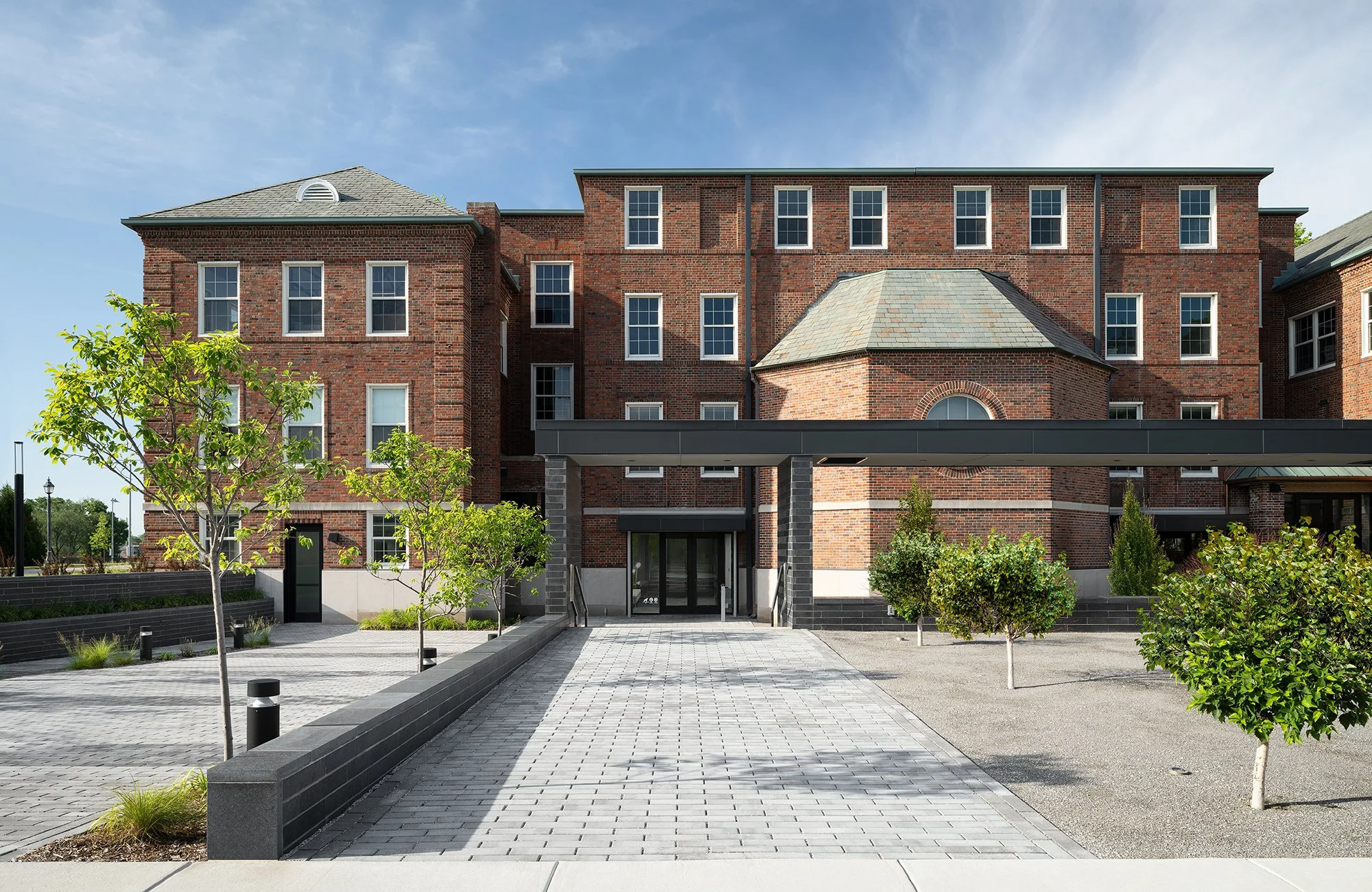
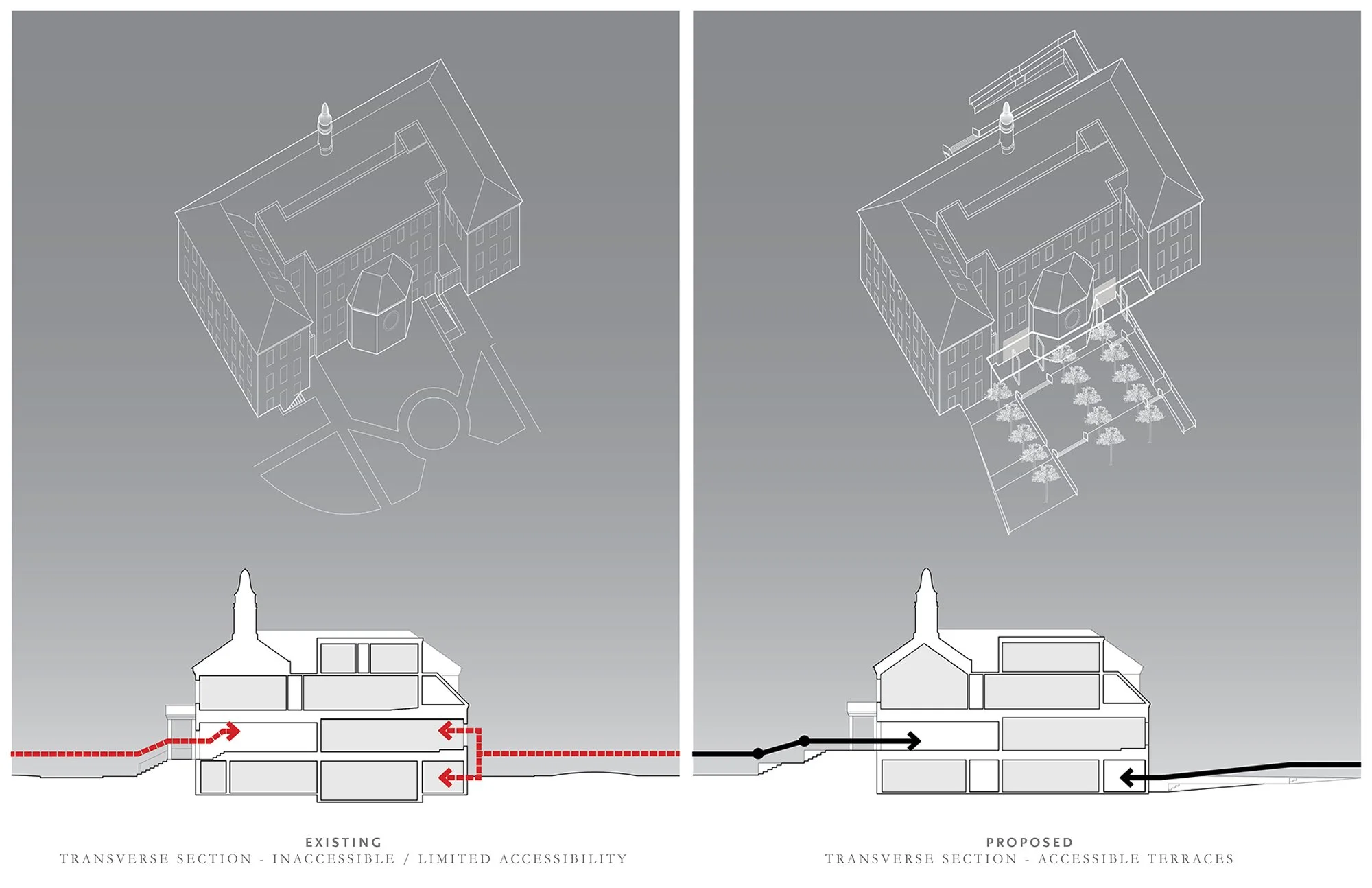
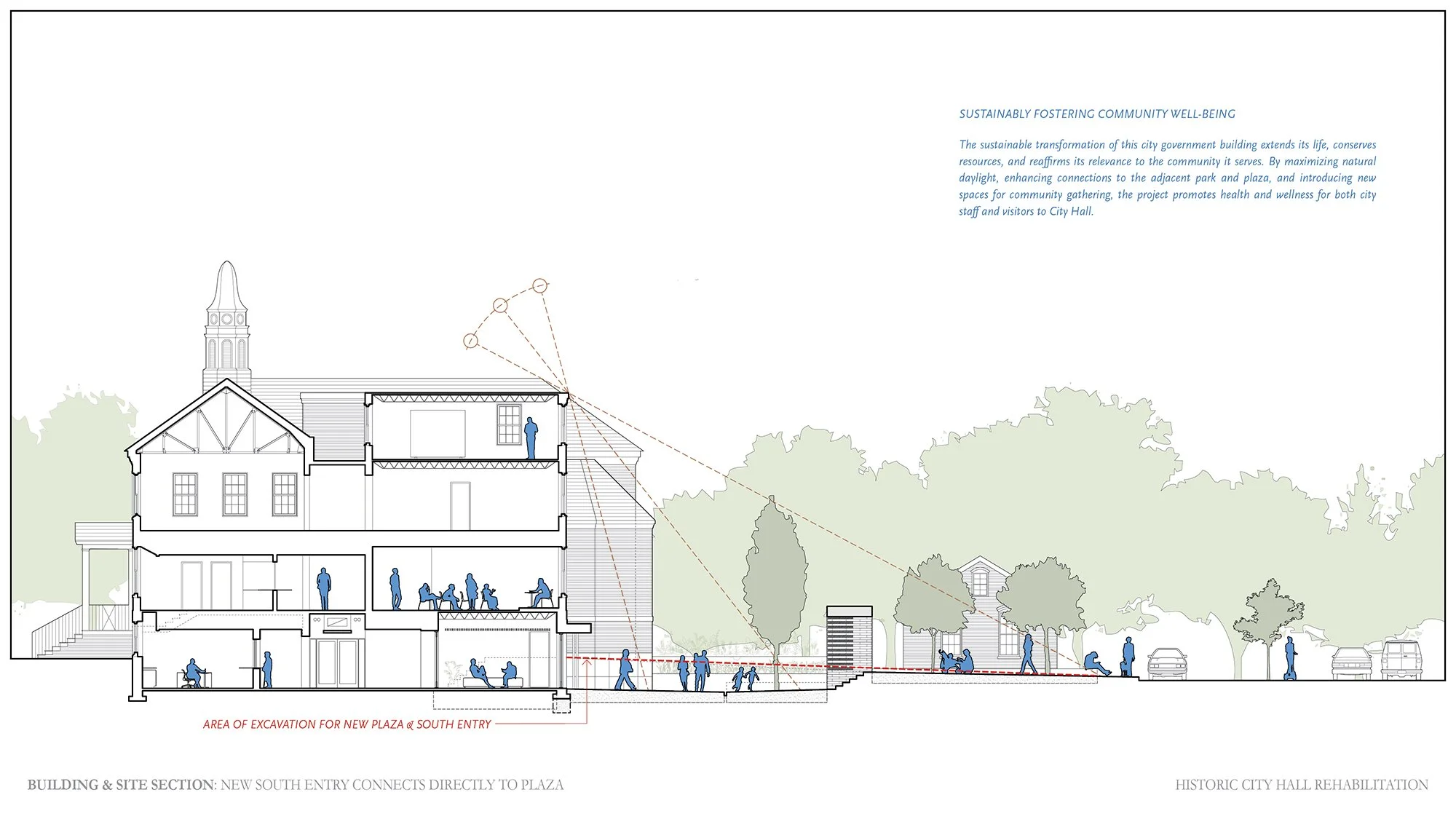
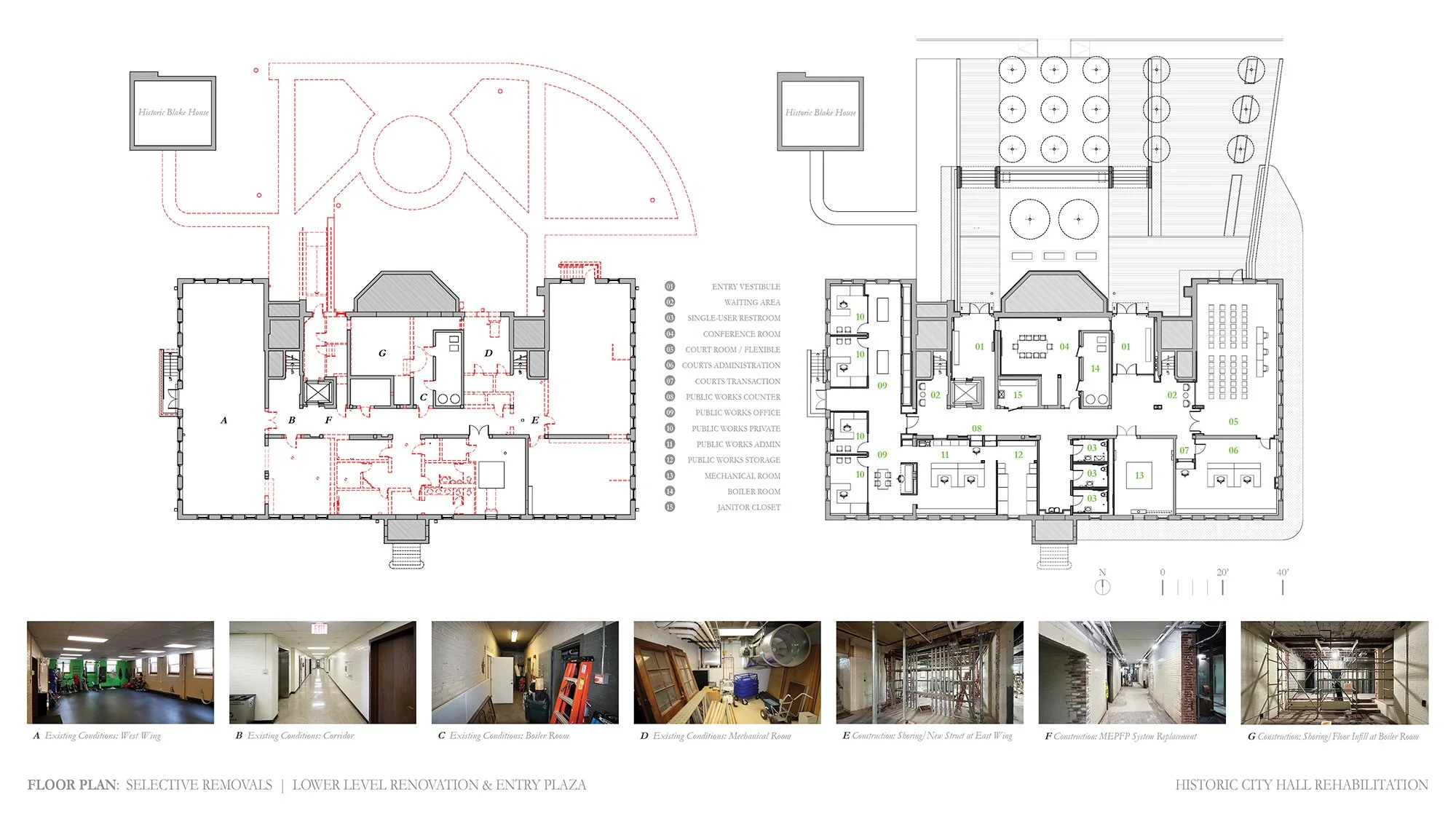
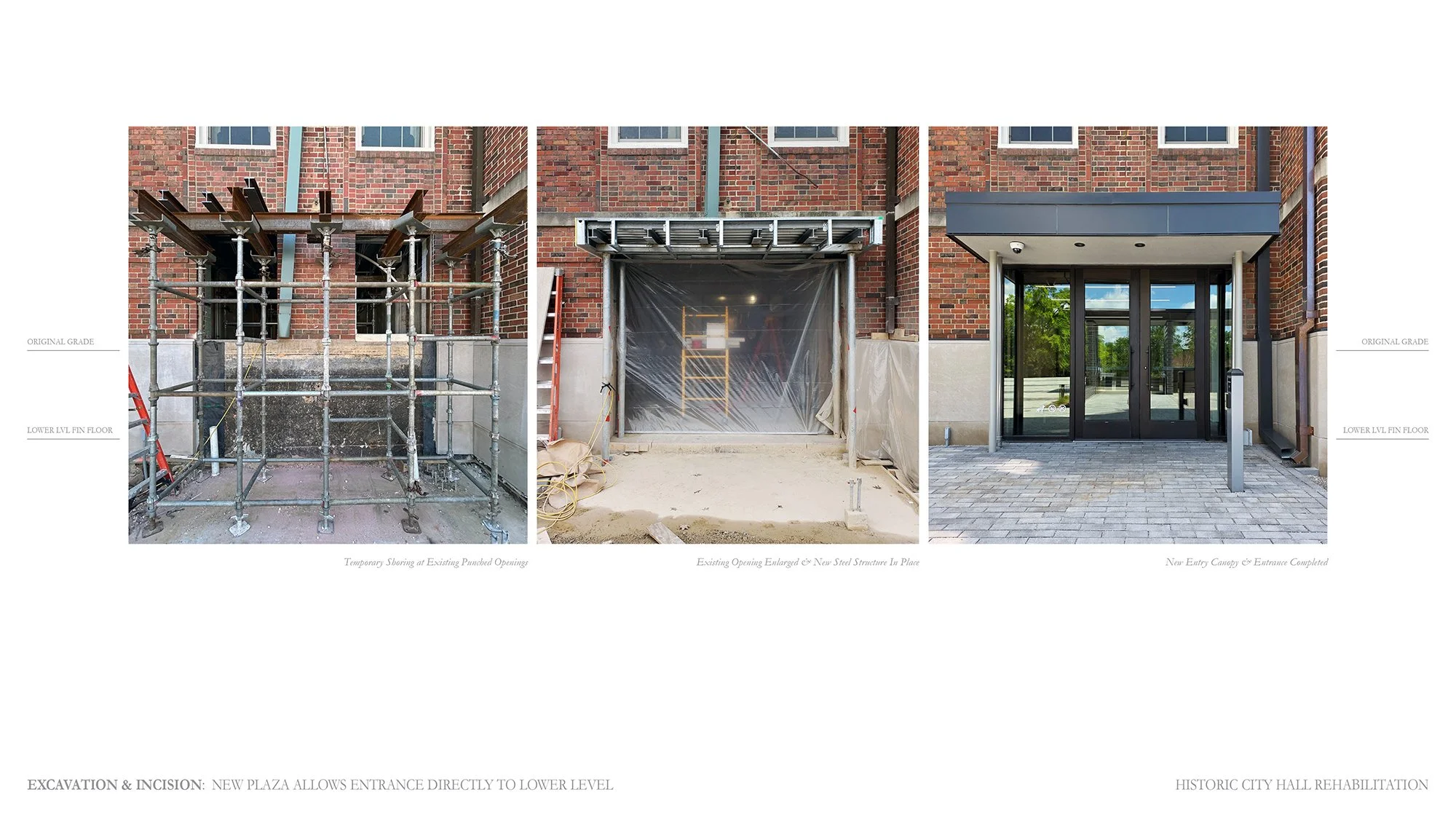
The facility currently houses six key departments: Public Works, City Administration, Municipal Court, Information Technology, Finance, and portions of Parks & Recreation. Over time, the building’s north façade -- originally the service side -- has become the primary entrance due to its proximity to parking. The Renovation & Entry Plaza project addresses this shift by creating a welcoming, accessible entry point that aligns with both the building’s historic character and contemporary needs.
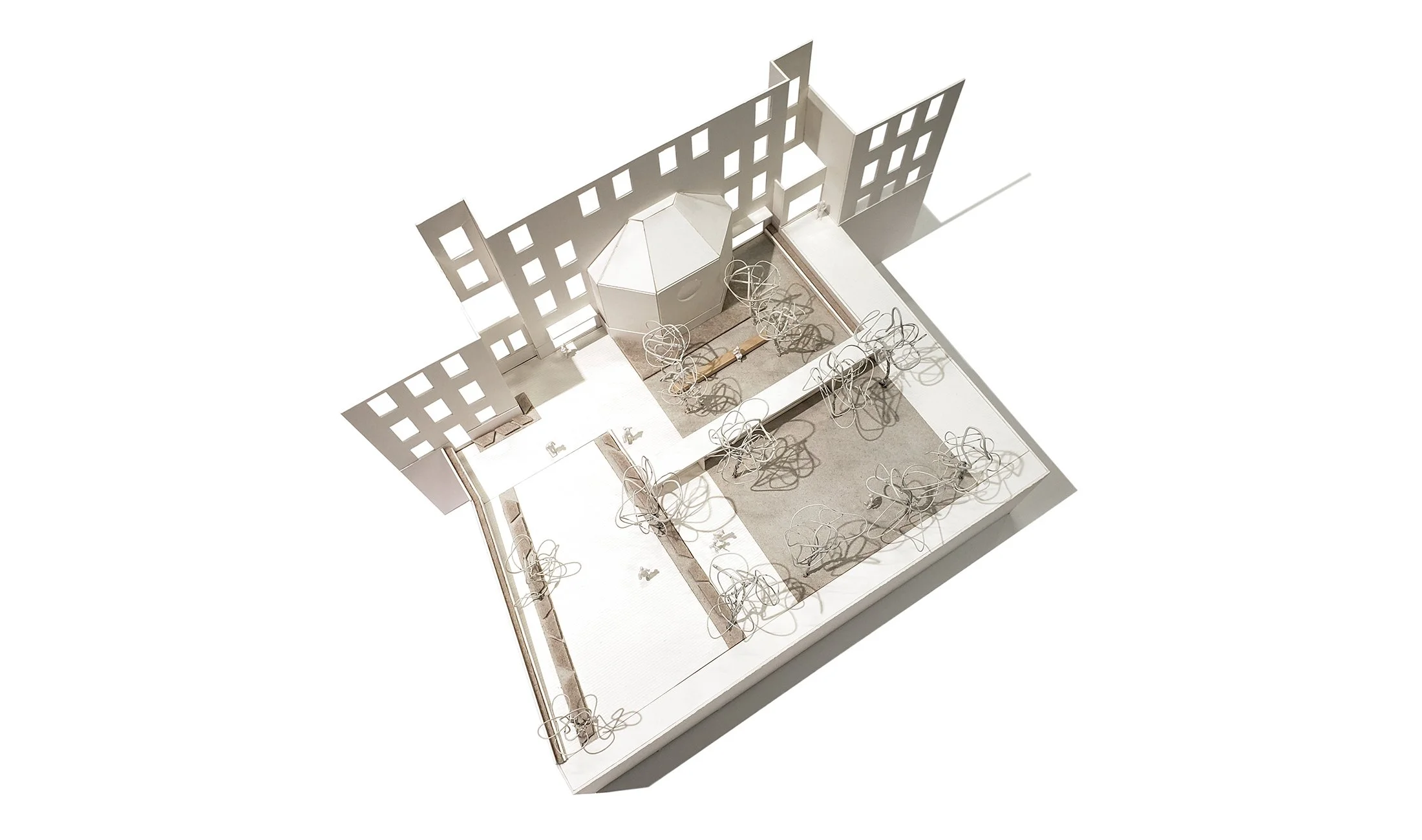
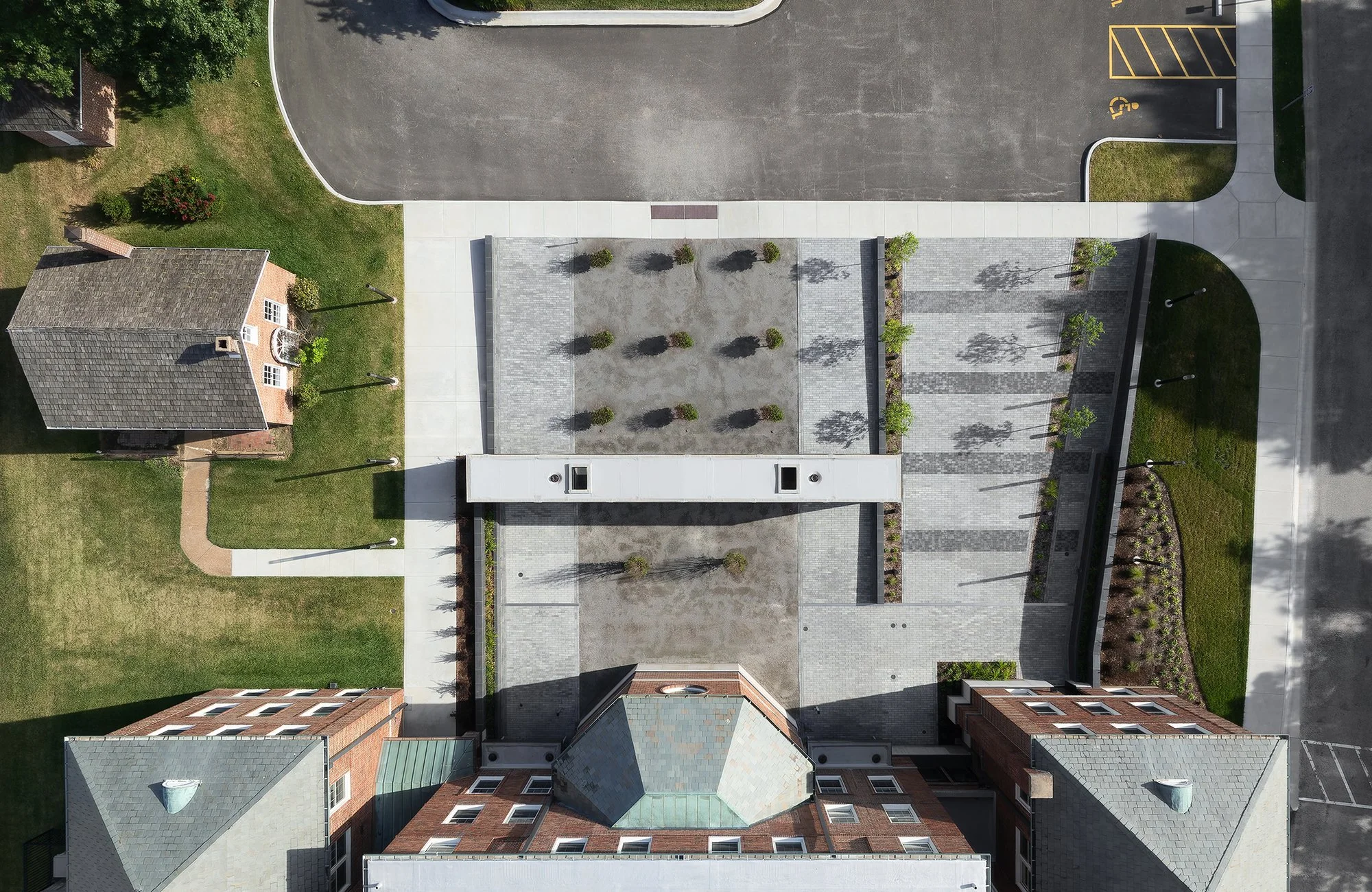
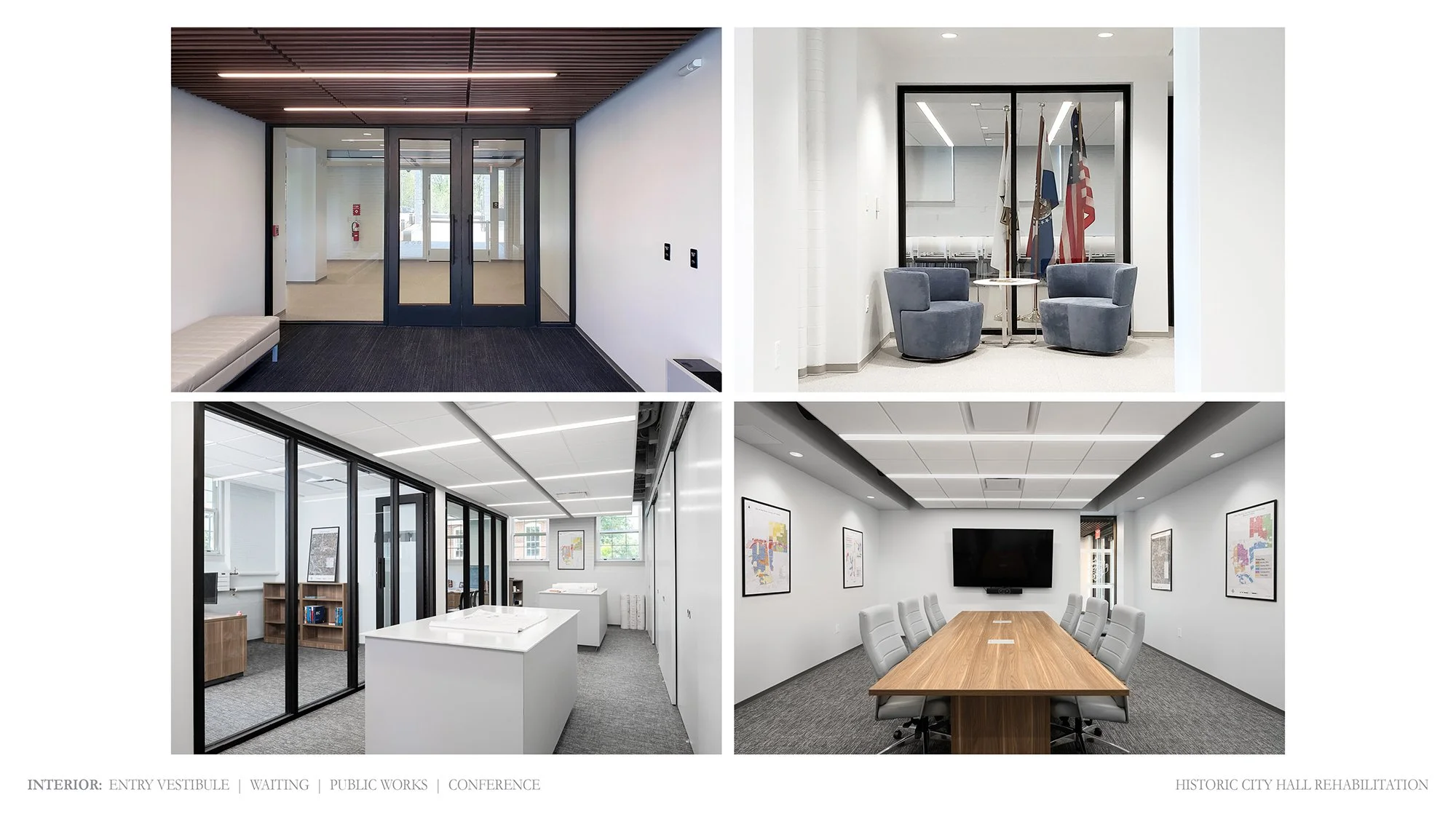
The redesigned entry plaza guides visitors to a fully accessible entry level, featuring new restrooms, conference room, administrative offices, and public service counters for Courts and Public Works. Infrastructure upgrades, including elevator replacement, enhanced building systems, and new fire sprinkler system throughout support the long-term functionality of the facility. These improvements ensure that Des Peres City Hall remains a productive and inspiring civic home for current and future generations.
The Des Peres City Hall renovations promote inclusive public access, civic engagement, and wellness. The new entryway serves as a gracious gesture to invite the public in, while strengthening the connection between interior spaces and the surrounding park. Outdoor enhancements including a new shade structure, native plantings, and ample seating areas create welcoming spaces for city staff, visitors, and community members alike. Permeable pavers and crushed stone paths further reflect the city’s commitment to sustainability and daily user experience.
_____________________________________________________
Collaborators:
Frens Restoration Studio
McClure Engineering (MEPFT)
KPFF (Structural)
Civil Design Inc (Civil & Landscape)
ATIS (Elevator)
Aspire Construction Services (General Contractor)
_____________________________________________________
“We are immensely proud to witness the completion of these vital improvements to Des Peres City Hall. From the outset, our goal was to improve accessibility and expand office space to meet both our current and future needs, all while preserving the iconic and historic charm of this 90-year-old building. We have achieved these goals, creating lasting benefits for our residents, visitors, and staff to enjoy for generations to come.”
Mark Becker, Mayor, City of Des Peres, Missouri
“We are deeply grateful to Patterhn Ives and the design team for their exceptional work on the City Hall renovation project. Their expertise with historic structures was instrumental in preserving the integrity of the building, overcoming complex structural renovations and supply chain delays, while modernizing it to better serve our community.”
Scott Schaefer, City Administrator, City of Des Peres, Missouri
_____________________________________________________
Location:
University of Missouri - St. Louis
_____________________________________________________
Status:
Bid Documents Complete - 31 July 2025
_____________________________________________________
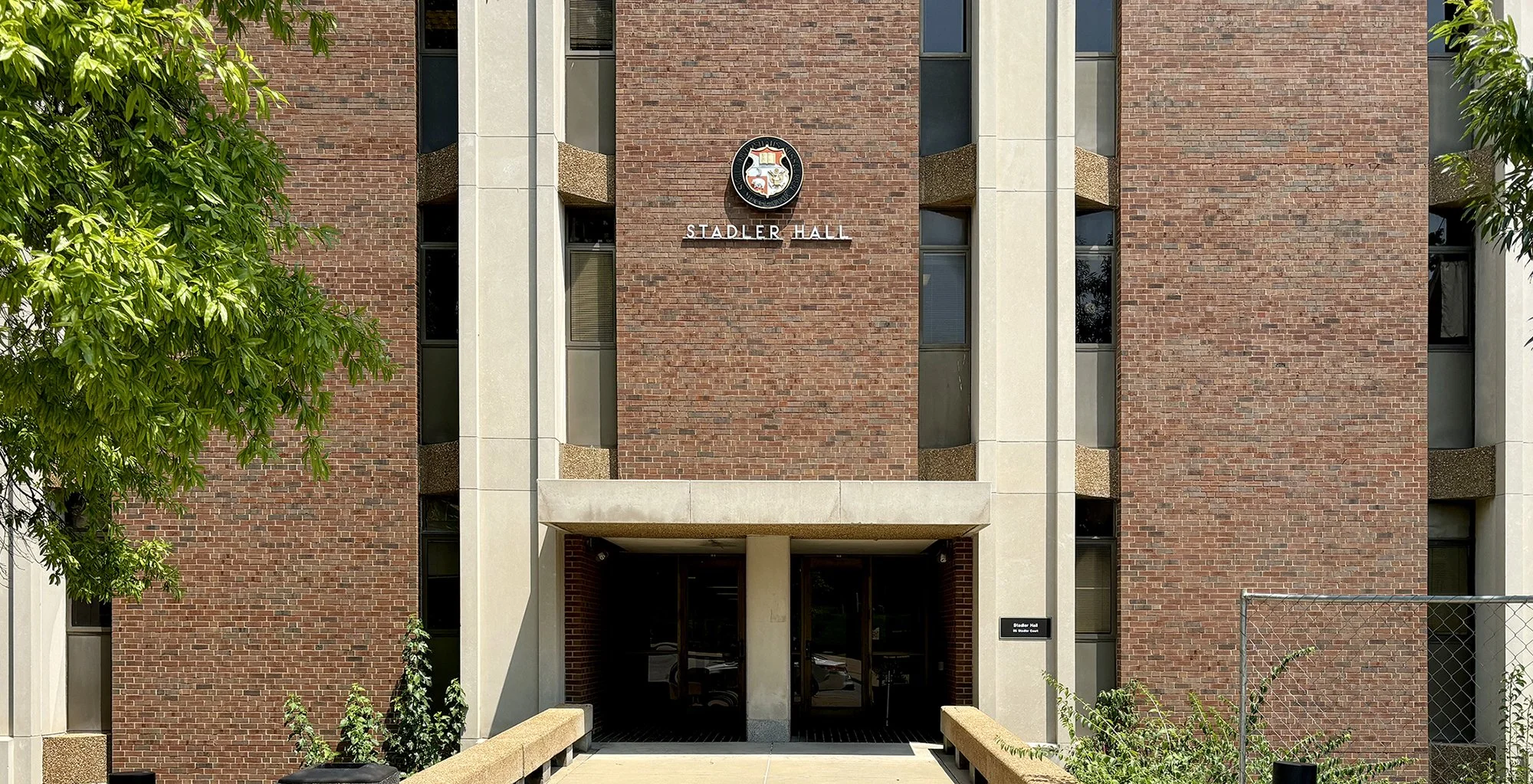
STADLER HALL
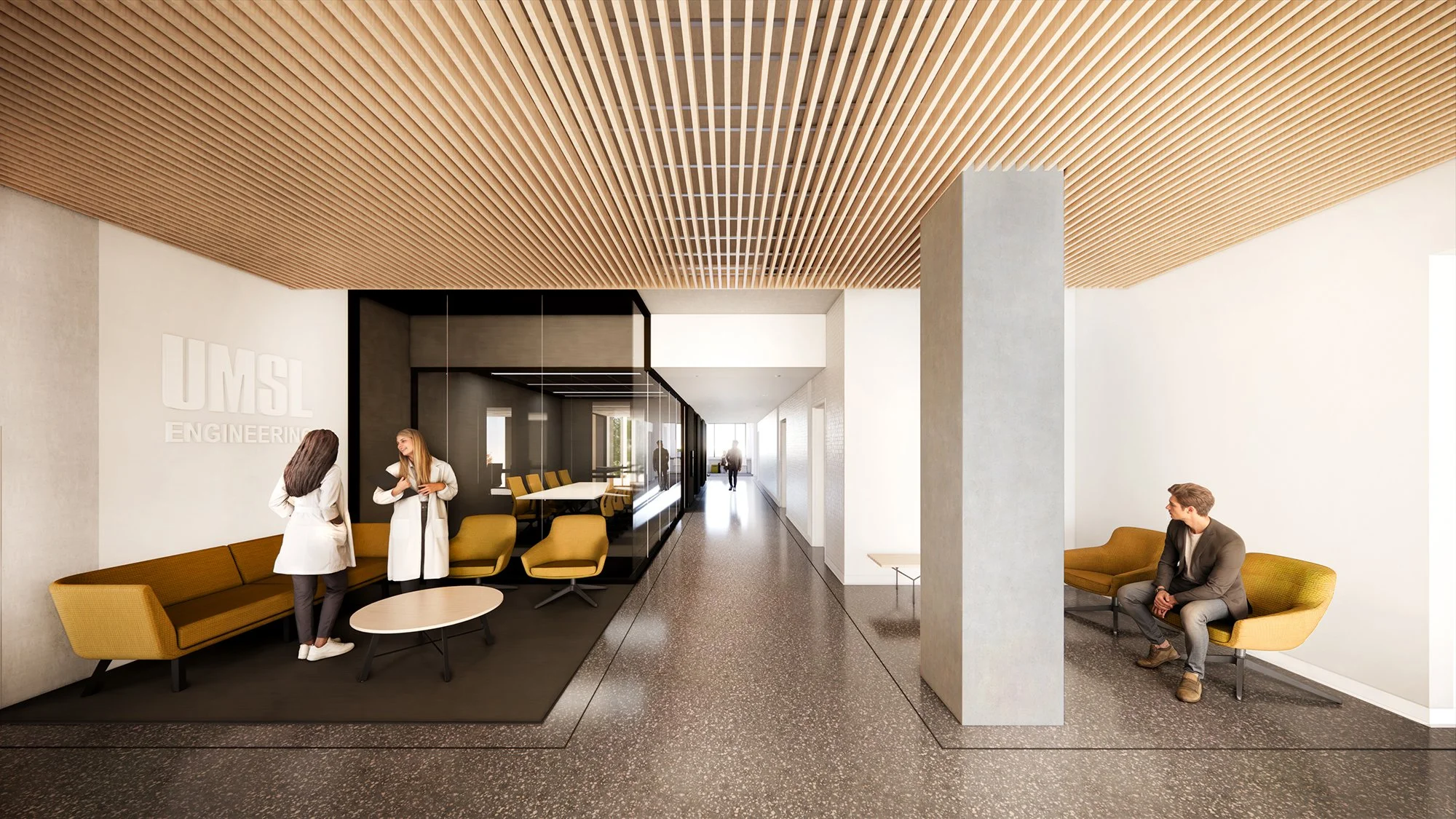
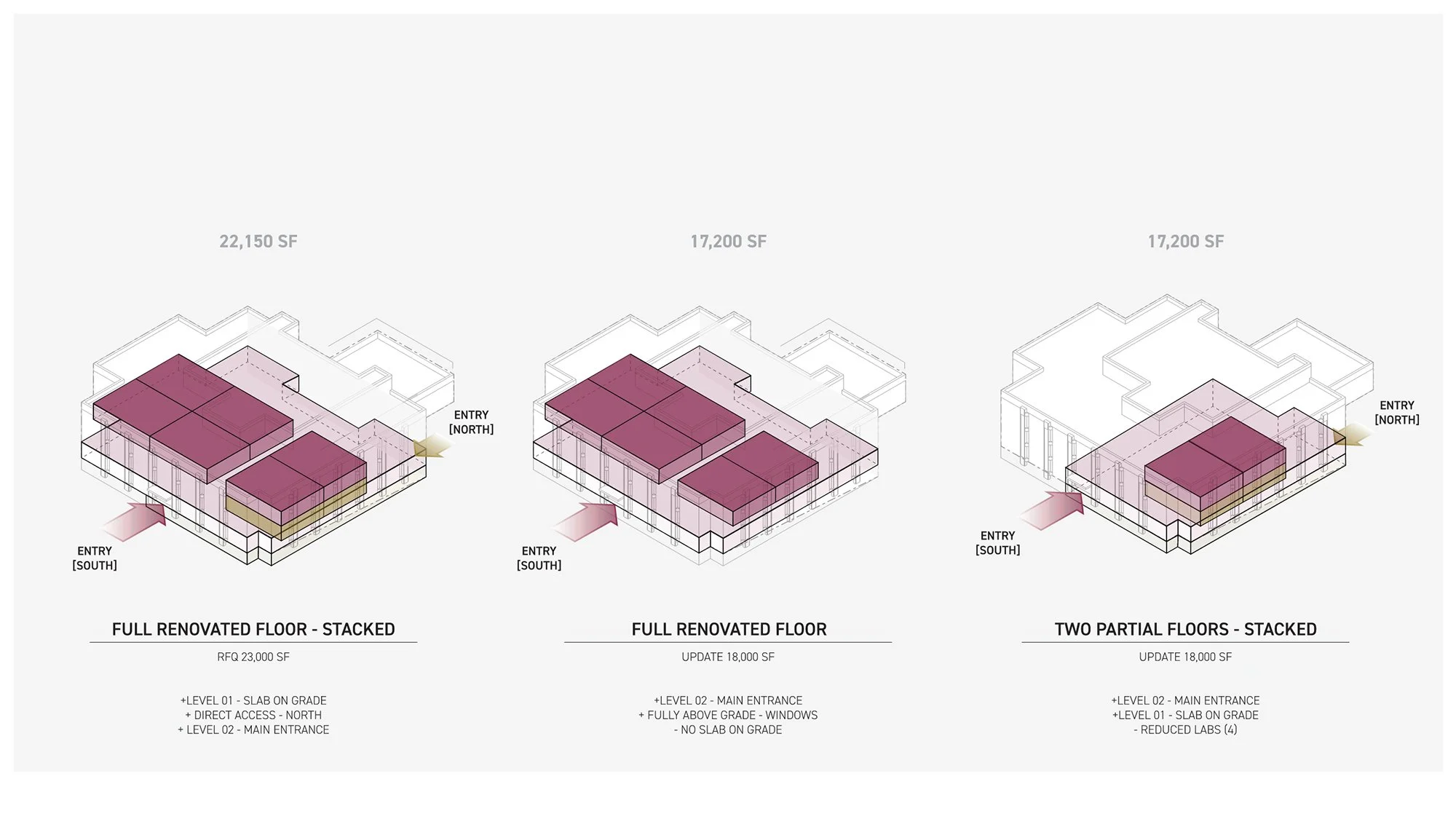
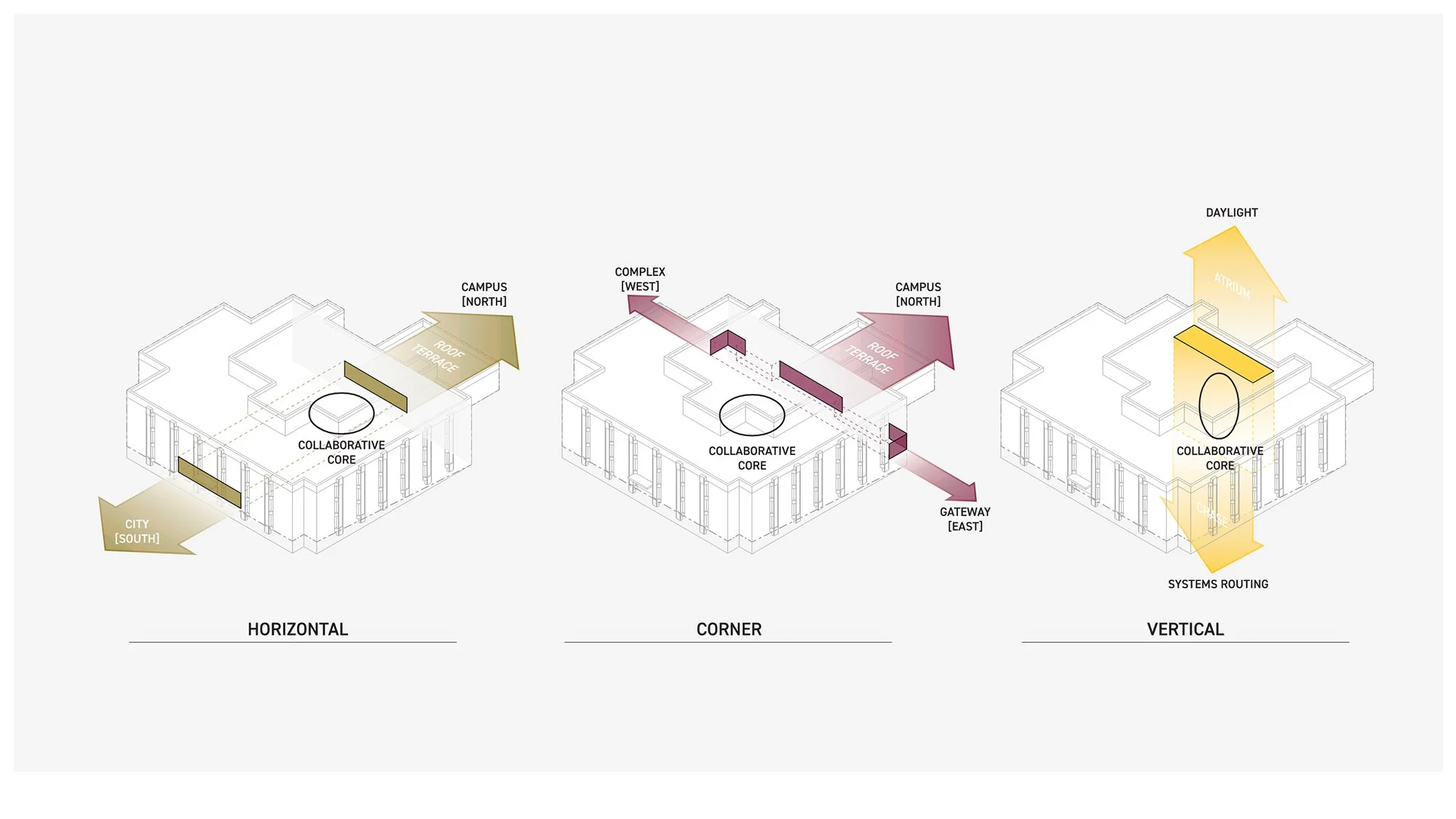
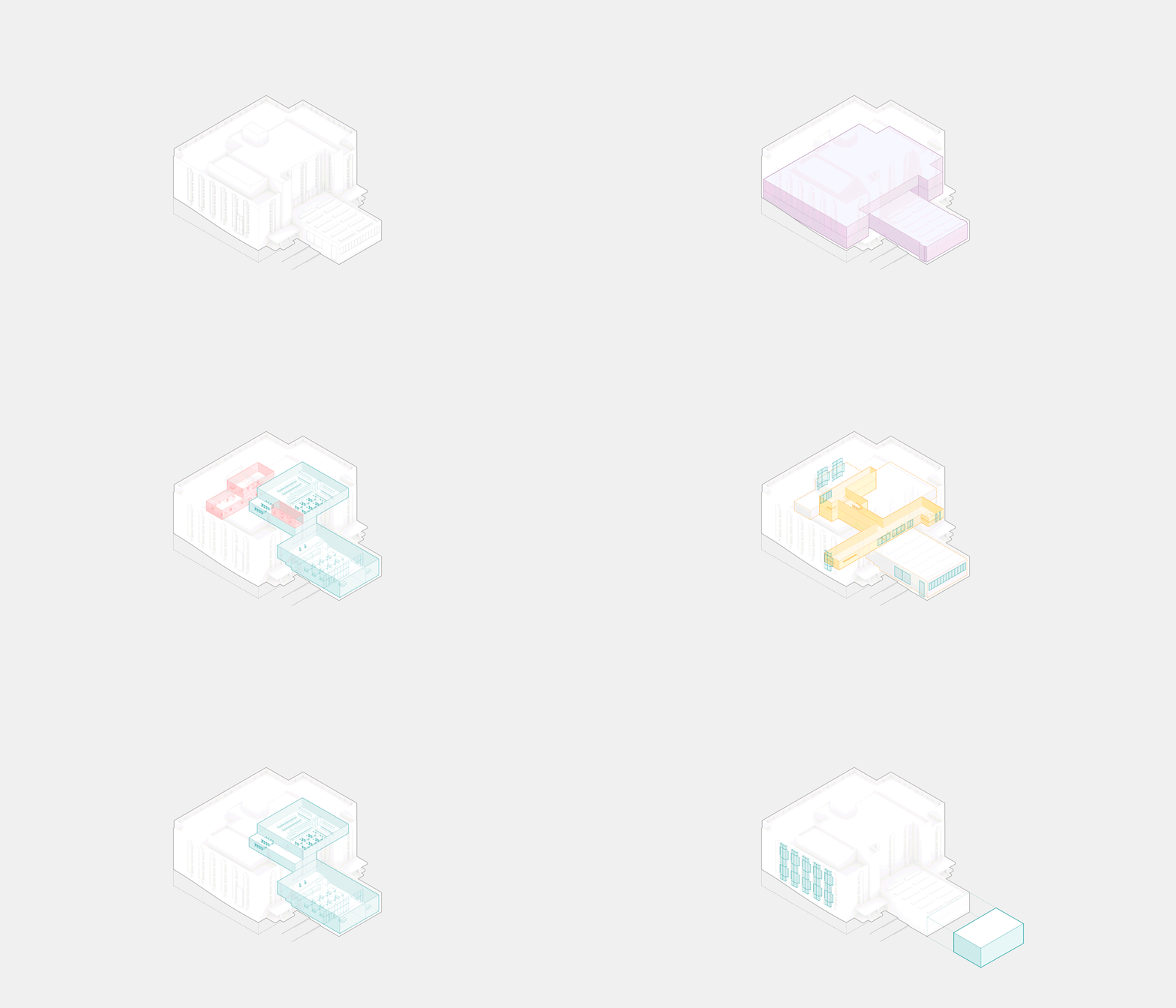
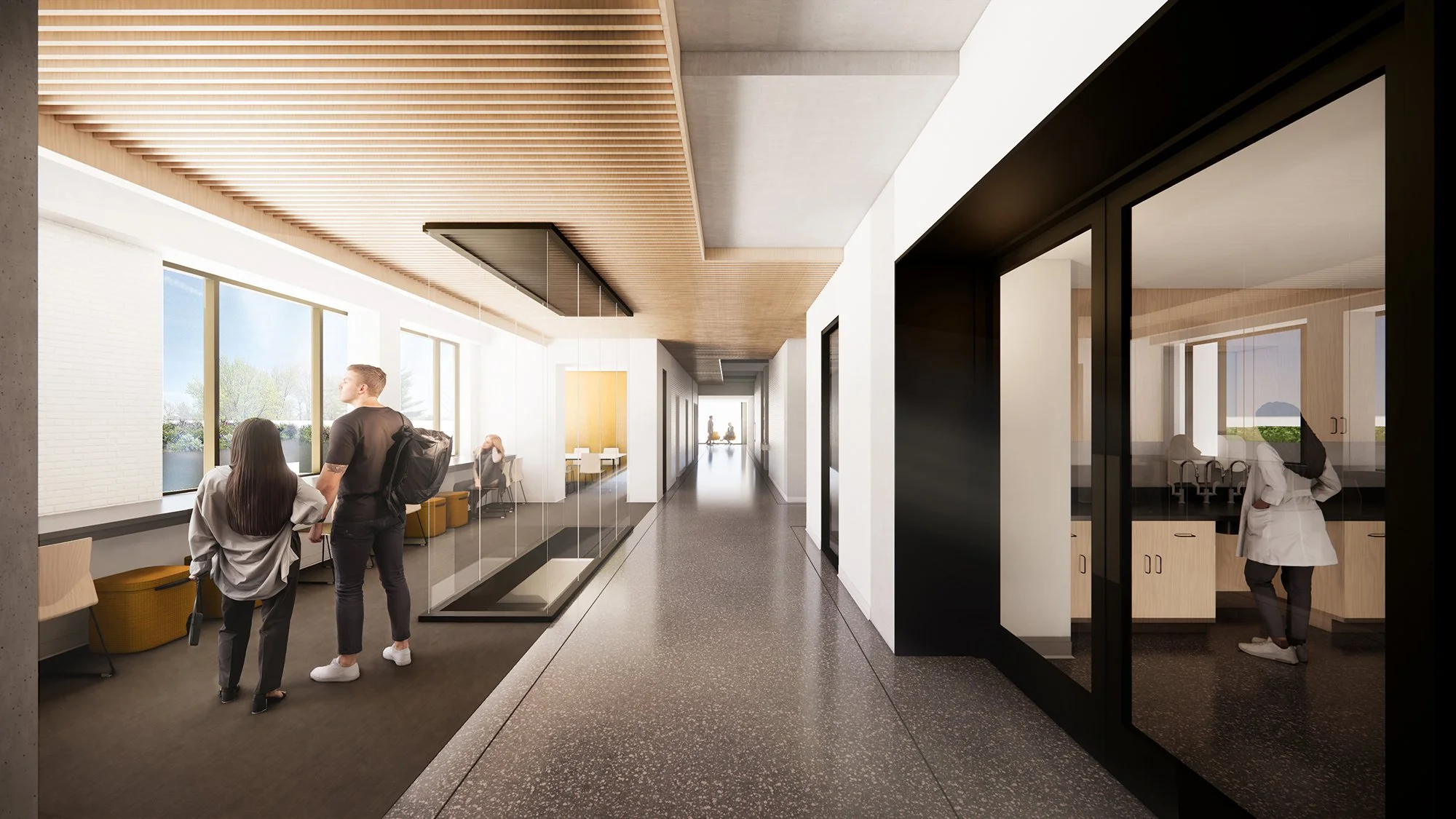
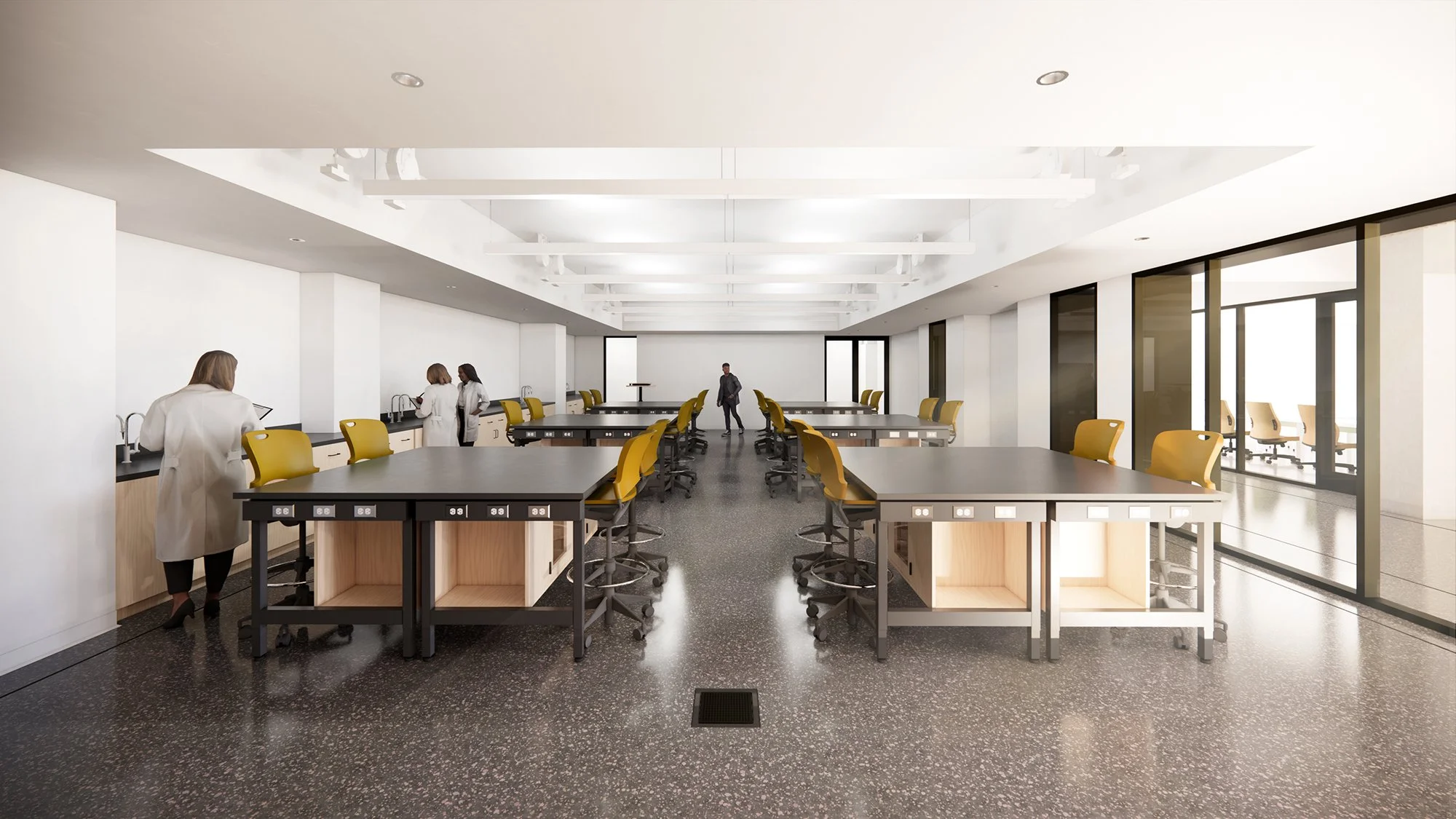
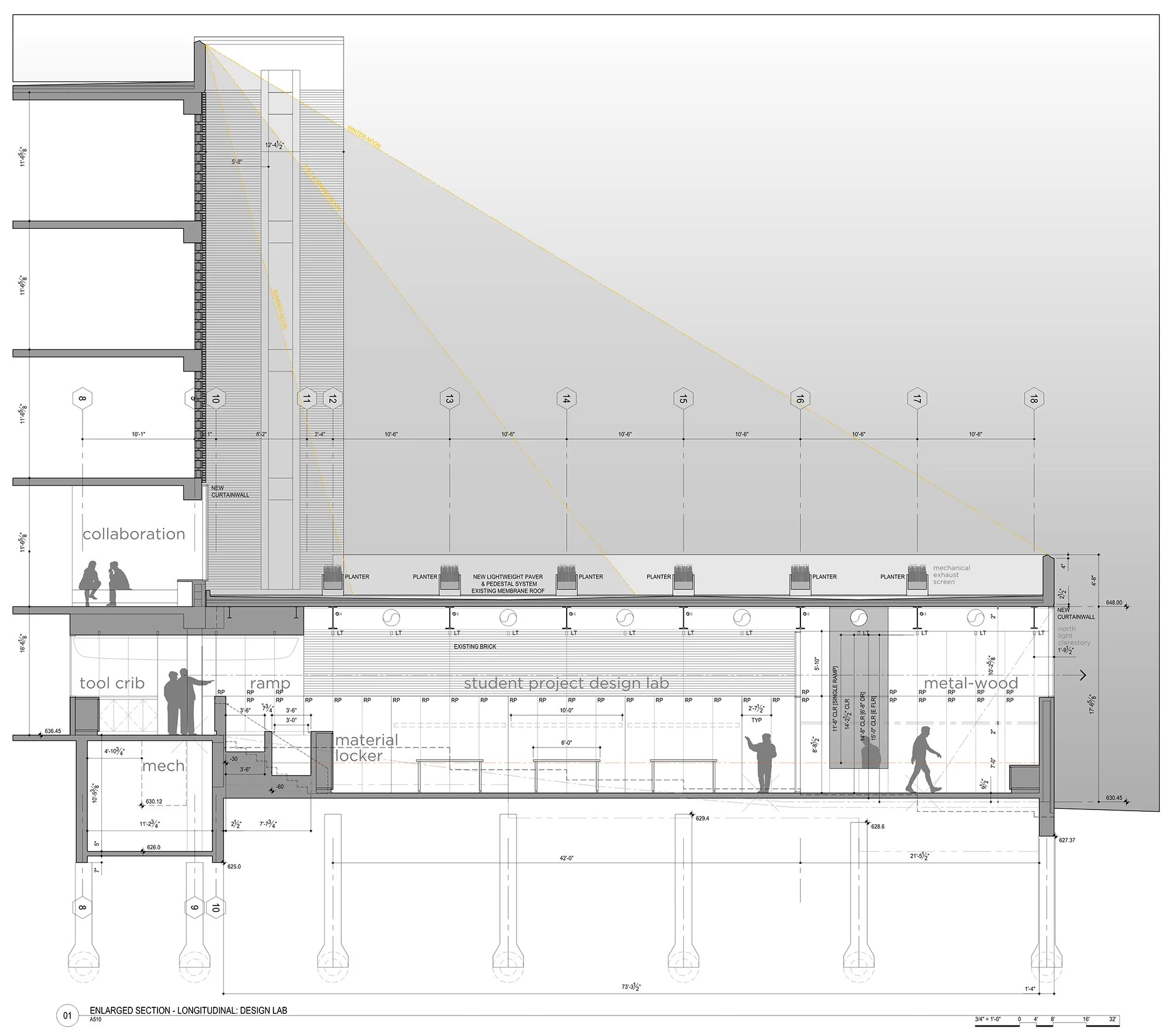
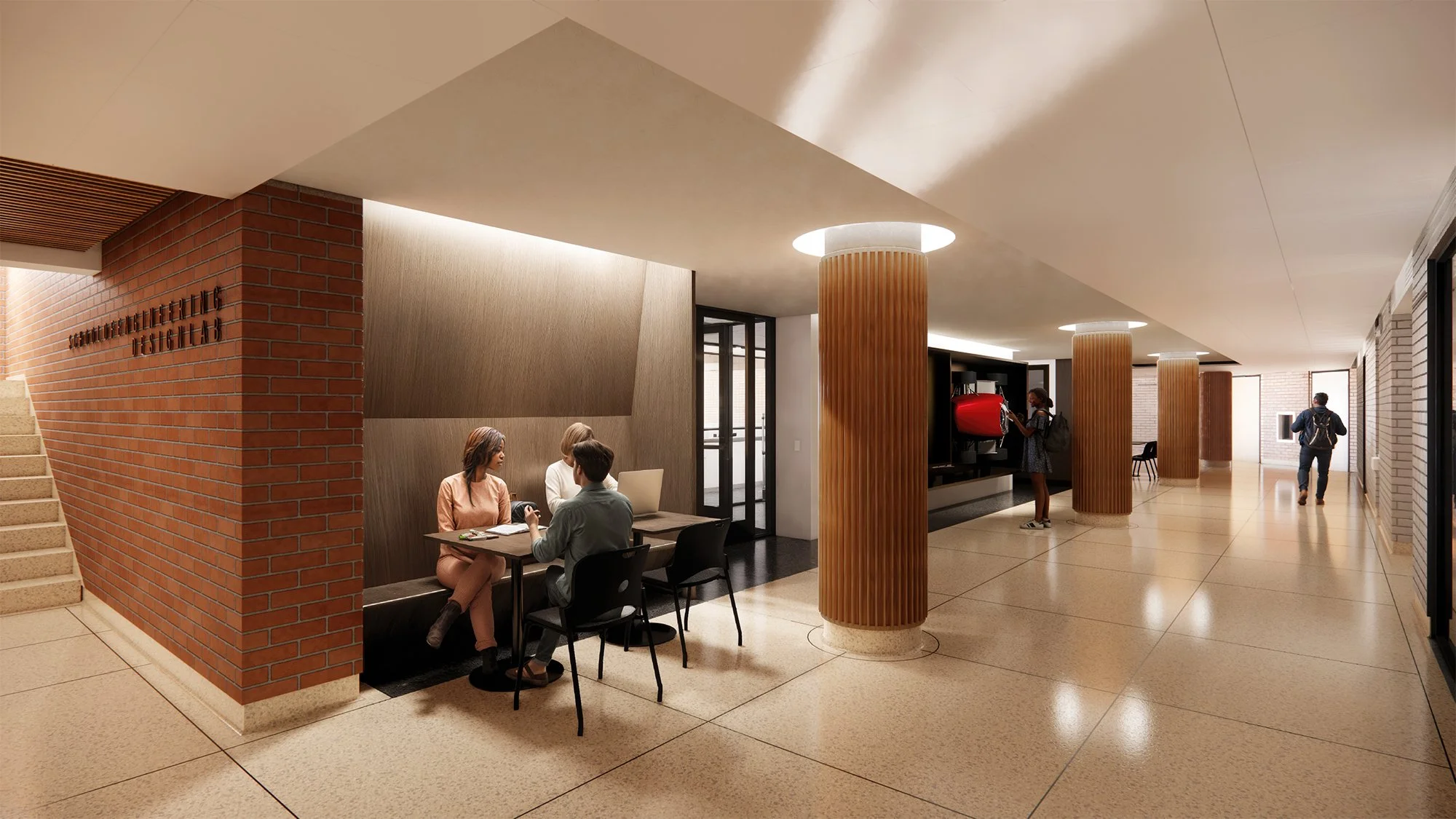
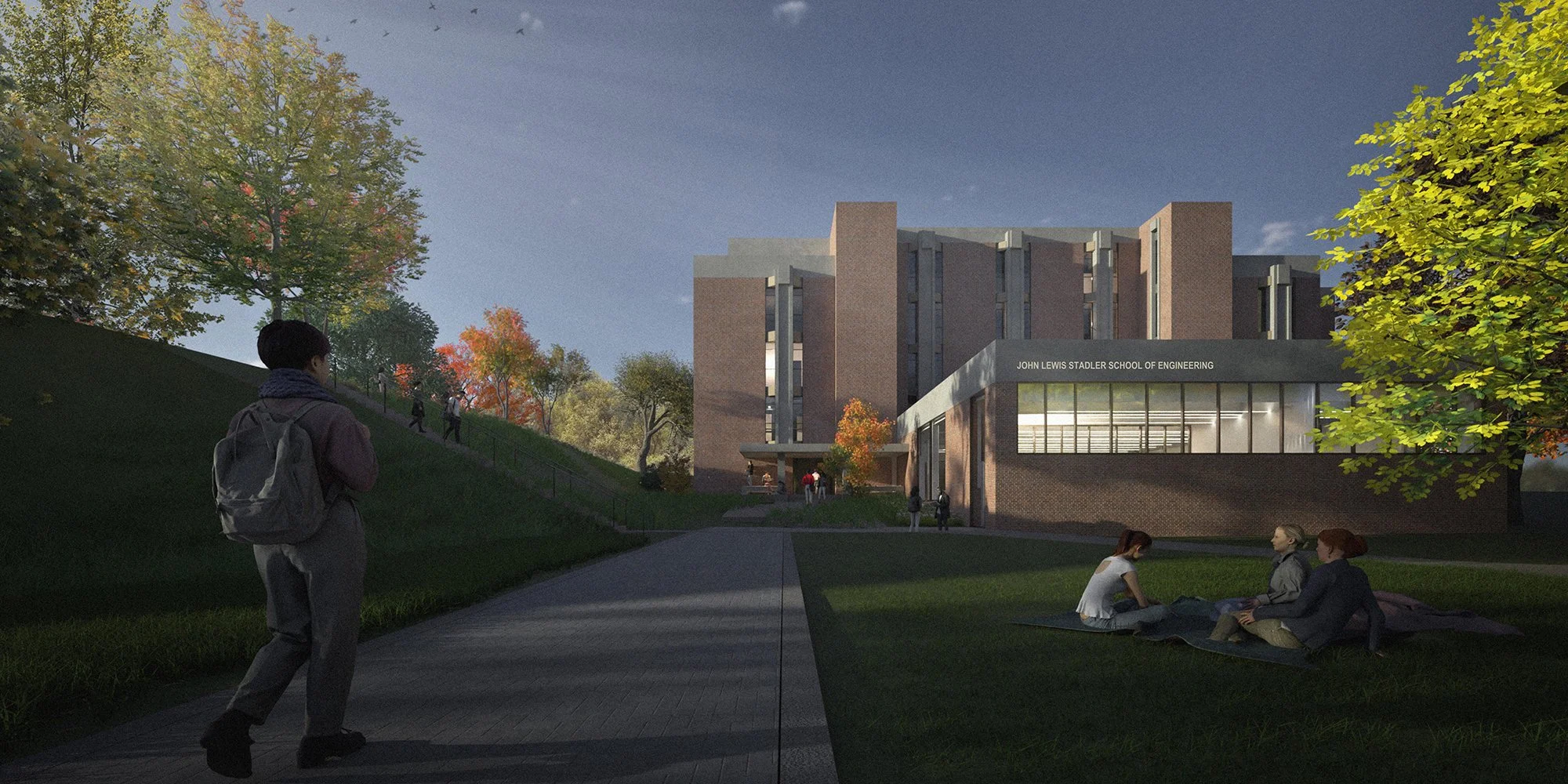
Prominently sited alongside the historic gateway entrance to UMSL’s academic core, Stadler Hall currently sits in stoic silence, concealing its activity, energy and learning. Conceived as a showcase for engineering, research and interdisciplinary education, the proposed renovation inverts the closed exterior façade at strategic moments to connect critical arteries of Campus, Science Complex, Entry Corridor, and Community. Coupled with multiple layers of interior borrowed light, these moments of transparency offer panoramic views across campus and address the invaluable need for presence, identity, daylight, view, wayfinding, and orientation that is absent among many of these early, opaque campus structures. Moreover, the program is thoughtfully aligned and stacked to provide flexibility and options for immediate and long-term growth within the five-story structure. Anchored by three new state-of-the-art Teaching Labs, a generous Student Project Design Lab, and much-needed areas for collaboration that overlook the campus center, these proposed interventions hold considerable promise for:
• Recruitment of both faculty and students,
• Contributions to the academic and pedagogical mission of the University,
• Revitalization and transformation of campus context and consolidation,
• Promote and foster interdisciplinary and industry partnerships,
• Foster a unified, safe & accessible academic community,
• Redefine Stadler Hall and the School of Engineering as the Front Door to campus.
SCHOOL OF ENGINEERING
The University of Missouri - Saint Louis has embarked on a visionary project to establish a dedicated School of Engineering, addressing the growing regional demand for skilled engineers and fostering innovation. Anchored by the strategic renovation of Stadler Hall, this initiative is designed to create a dynamic academic environment that integrates cutting-edge facilities with forward-thinking educational programs, driving both regional economic growth and technological advancement. This initiative has been made possible through generous funding, which has provided the resources necessary to begin the transformation of Stadler Hall into a state-of-the-art facility. This foundational support underscores the community's belief in UMSL's vision. The UMSL School of Engineering prioritizes aligning its curriculum with the needs of regional industries while fostering an inclusive and innovative learning atmosphere. The programmatic focus includes Mechanical, Civil, and Electrical Engineering disciplines, emphasizing experiential learning, research, and collaboration. The School aims to attract a diverse student body, including full-time, part-time, commuter, and on-campus residential students, with an enrollment target of 400 undergraduates by 2028. This growth will establish a robust foundation for future accreditation and potential graduate programs. At the core of the project is the renovation of approximately 22,000 square feet in Stadler Hall. The facilities are designed to modernize infrastructure, enhance operational efficiency, and provide state-of-the-art teaching labs, research spaces, collaborative areas, and offices.
“We know there is a strong desire to see our region develop more engineers who will remain in St. Louis and our state and contribute to their success.” UMSL Provost Steven J. Berberich
_____________________________________________________
Collaborators:
Perkins Eastman (Laboratory Consultant)
McClure Engineering (MEPFT)
KPFF Consulting Engineers (Structural)
Vermeulens (Cost)
_____________________________________________________
_____________________________________________________
2016 AIA/ALA Library Building Honor Award
2016 Chicago Athenaeum: American Architecture Award
2015 SCUP Renovation / Adaptive Reuse Merit Award
2015 AIA NE Pennsylvania Award of Excellence
_____________________________________________________
Location:
Williamstown, Massachusetts
_____________________________________________________
Restoration Consultant:
Frens and Frens LLCnow Patterhn Ives LLC
_____________________________________________________
Architect of Record:
Bohlin Cywinski Jackson
_____________________________________________________
Services:
Specifications Consulting
Construction Administration
Exterior Conservation
Interior Restoration
_____________________________________________________
Historic Photography:
Williams College Archives
_____________________________________________________
Status:
Completed 2014
_____________________________________________________
Designed by Boston architects Cram & Ferguson in the Georgian Revival Style, Stetson Hall was built in 1923 as the main library of Williams College in Williamstown, Massachusetts. To address the changing and growing needs of the libraries, the College engaged Bohlin Cywinski Jackson to design a major addition to the original library, in conjunction with rehabilitating the original building, to become the new Sawyer Library.
Historic preservation work included exterior conservation of brick and limestone masonry, slate roofing, and wood windows. Interior work included refinishing and repairs to stone flooring, refinishing of architectural casework, paneling, doors, and other stained woodwork; restoration and repainting of ornamental plaster ceilings, and coordinating protection of interior finishes during construction.
_____________________________________________________
“The restored lobby of Stetson Hall functions as a portal to the library complex, connecting the campus with its library collections and students with the college’s storied past.”
Ken Shulman, Metropolis Magazine
“A sophisticated project with an inspiring approach for connecting the past with the future. The relationships between the architecture of the existing and the addition have been resolved with great expertise.”
2015 AIA NE Pennsylvania Design Award Jury
_____________________________________________________
2021 Fay Jones Alumni Design Award: Public Good / DEI
2020 AIA Saint Louis Design Merit Award: Unbuilt
_____________________________________________________
Location:
Sikeston, Missouri
_____________________________________________________
Photography:
Documodern
_____________________________________________________
Status:
Building Dedication - 2021 June
Groundbreaking - 2020 April
_____________________________________________________
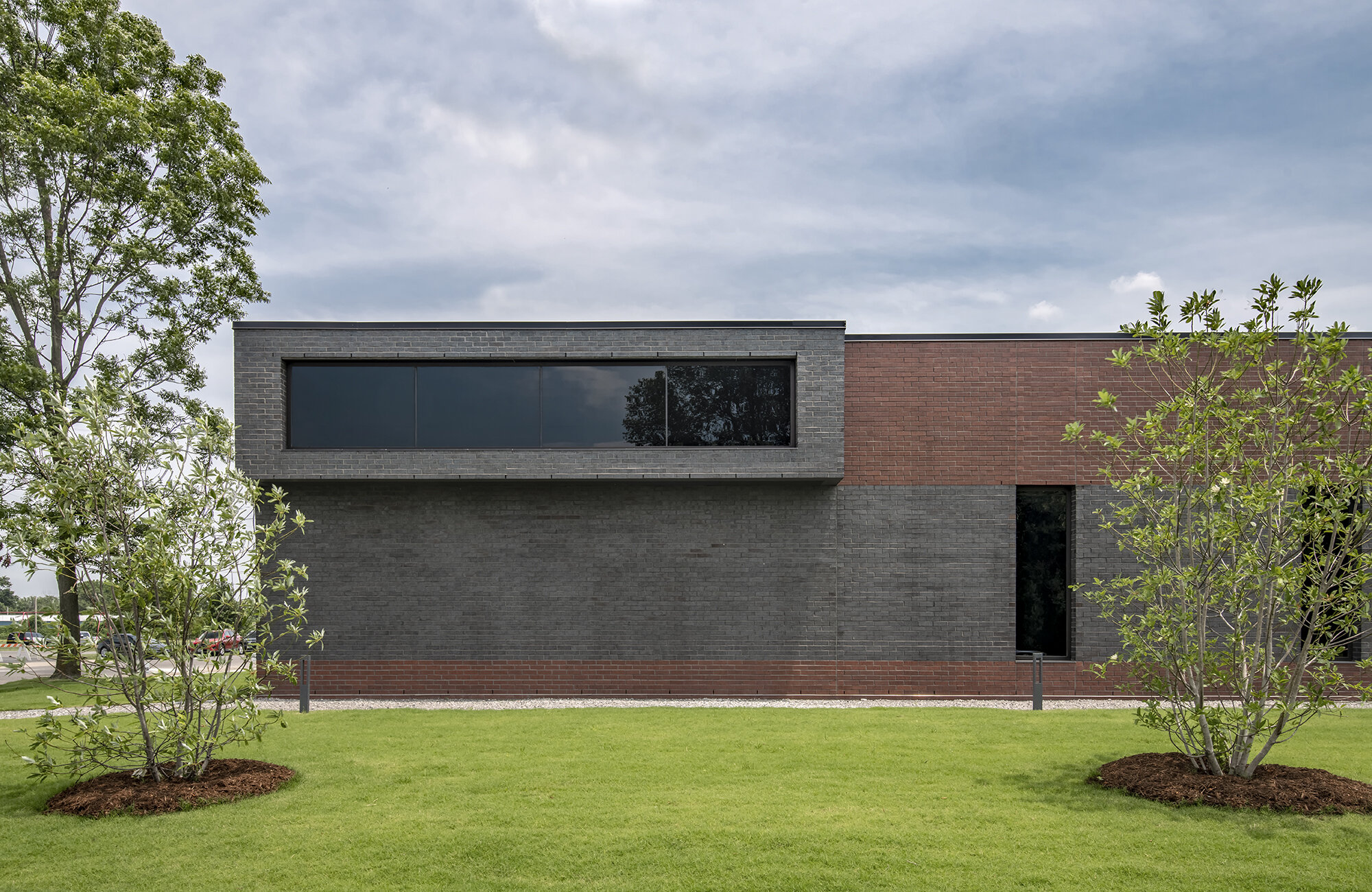
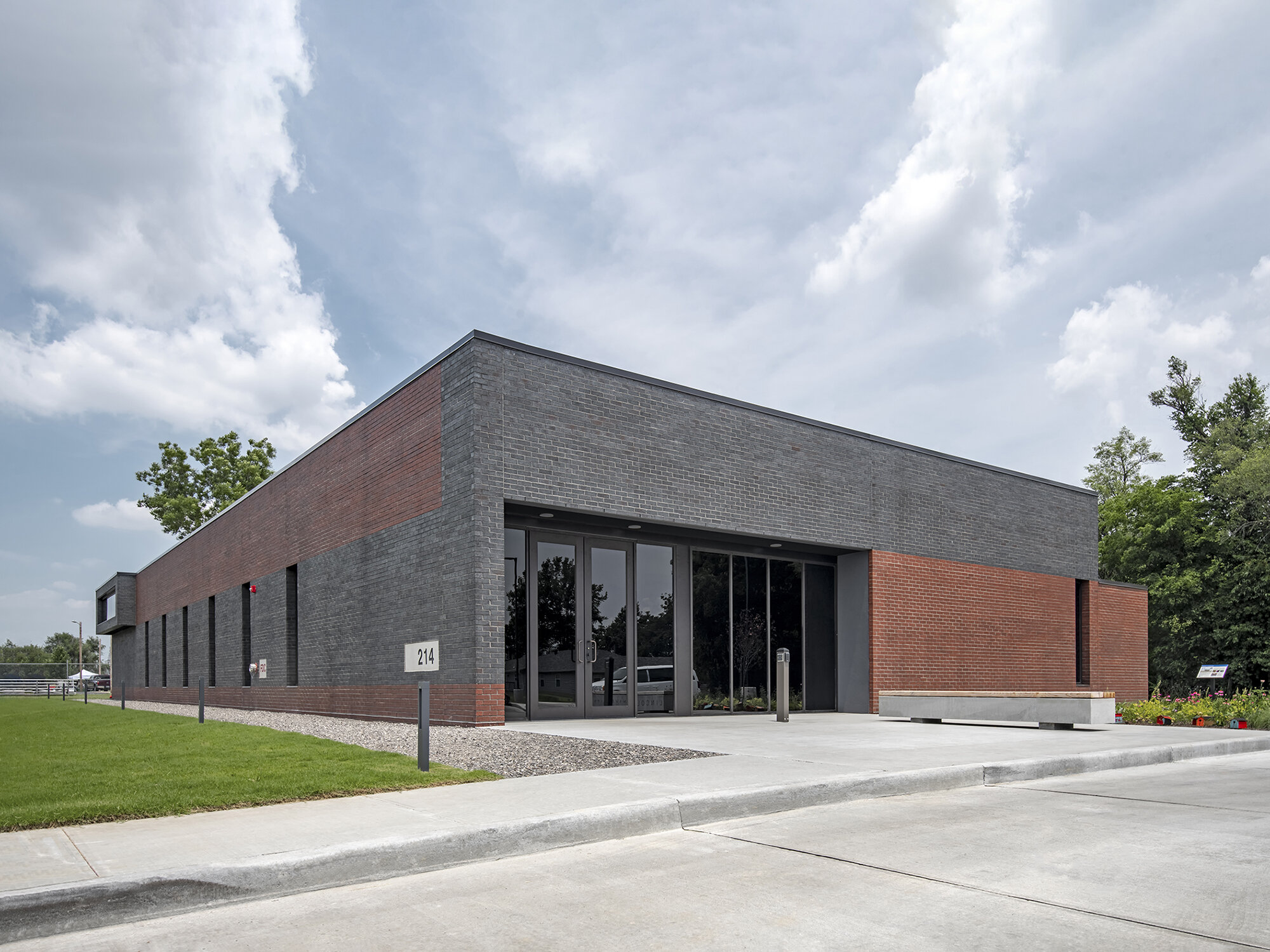
A land-grant and minority-serving institution, Lincoln University is committed to providing educational outreach programs to Missouri’s underserved populations. The University’s Southeast Missouri Extension helps communities establish and maintain programs promoting intellectual and social growth, responsibility, productivity, and sustainability, including leadership and community development, small farm outreach, nutrition and fitness education, community gardening, job readiness, and youth development.
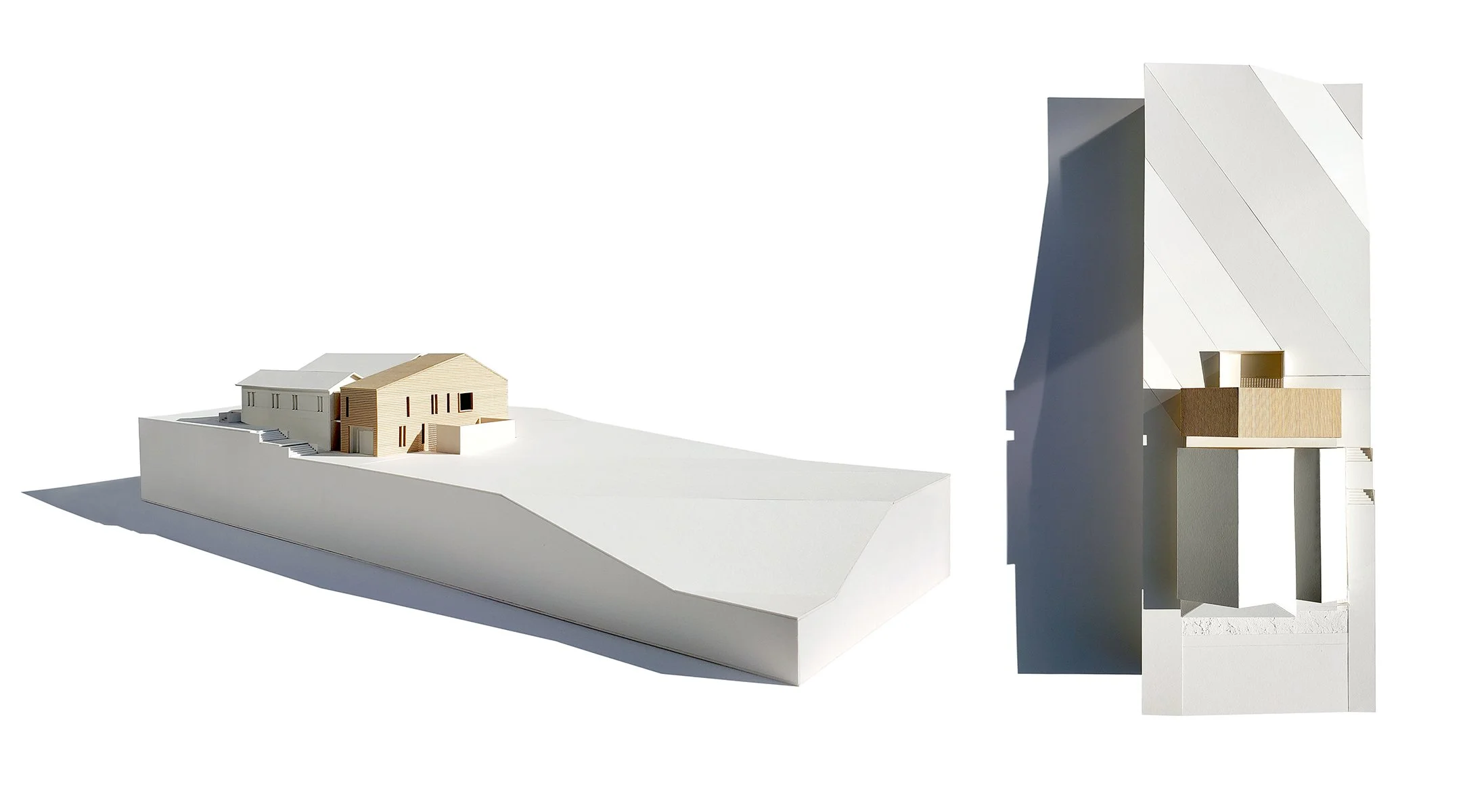
Located in Sikeston, the new Cooperative Extension has the potential to serve as a catalyst for the revitalization of Sunset Addition – a once thriving African-American neighborhood that has been in decline over the last two decades. The Masterplan for the site features community garden plots with demonstration gardens, water harvesting and reuse capabilities, outdoor classroom, and a path that will help connect Lincoln Memorial Park to Sikeston’s Rail-To-Trail project.
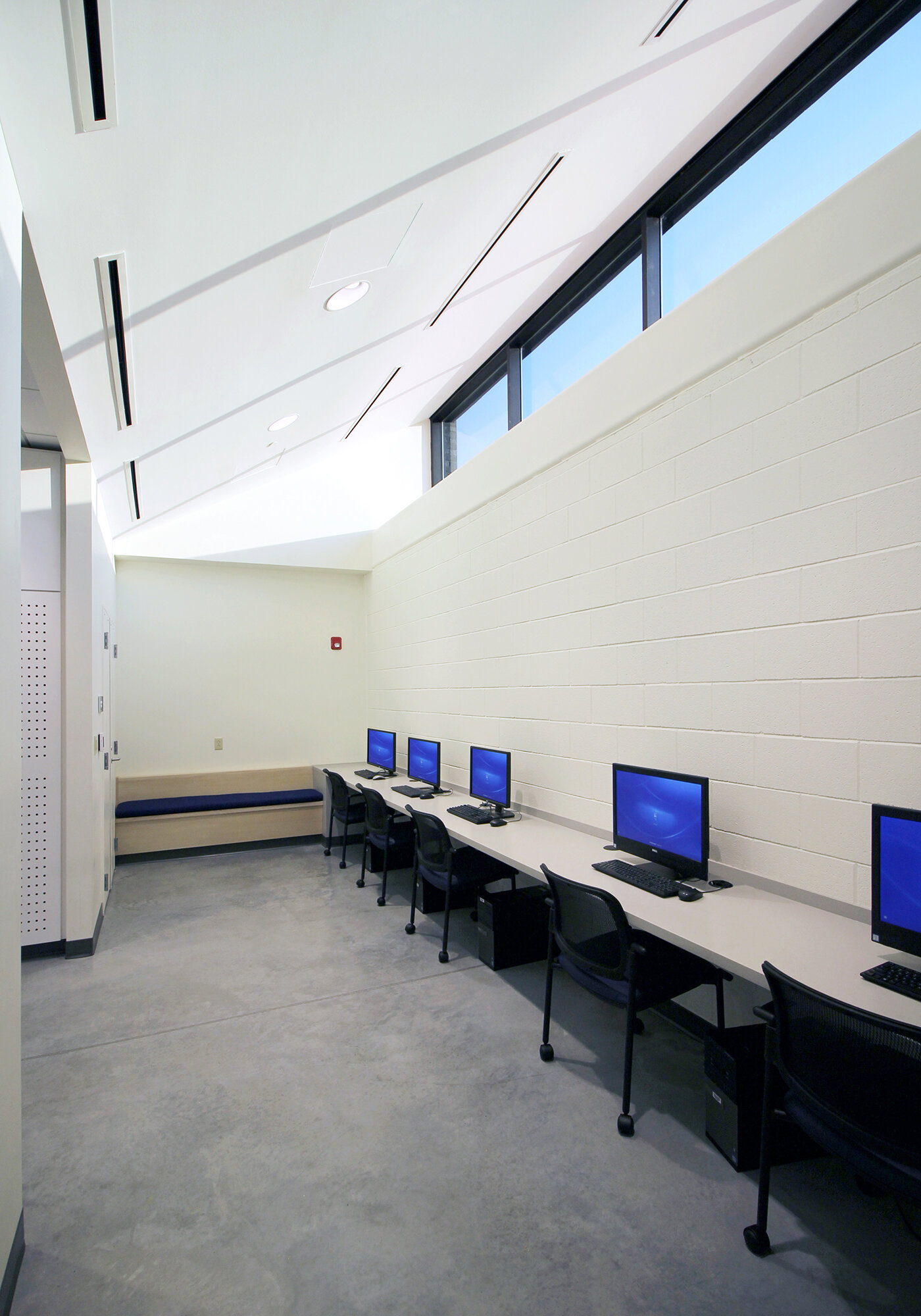
The primary programmatic components (Classroom, Multi-Purpose Space, Computer Lab, and Offices) are organized around a generous Central Hall that provides visual connection to the landscape and horizon, linking the interior spaces to a valued community hub, Lincoln Memorial Park. The sky-lit circulation spine provides areas for support, informal learning, social interaction, and pre-function space, connecting the new Cooperative Extension to the neighborhood and community it serves.
_____________________________________________________
Collaborators:
McClure Engineering (MEPFT)
David Mason + Associates (Civil / Structural)
DTLS (Landscape)
Boulder Construction (General Contractor)
_____________________________________________________
“The number of young people that enter these doors, and the lives that are influenced because of the work that is done here, will continue to grow. The work and research that many of our faculty are conducting…it’s going to change the lives of Missourians…and be a difference maker for years to come.”
Dr. John B. Moseley, President, Lincoln University
“This project employs a subtle use of form and material to create great spaces for the community. This is a great project that has significant and diverse programming, both indoor and outdoor, addressed in a very concise manner.”
2021 Fay Jones Alumni Design Award Jury - Award for Public Good in the Cause of Diversity, Equity and Inclusion
Encouraging projects that engage with minority and/or low-income communities to mitigate deficits in housing, education, culture, health, and infrastructure.
_____________________________________________________
2024 Missouri Preservation Honor Award
2024 St. Louis County Award for Preservation
2023 AIA Saint Louis Design Merit Award: Small Project
2023 Fay Jones Alumni Design Merit Award
_____________________________________________________
Location:
Pacific, Missouri
_____________________________________________________
Photography:
Sam Fentress
_____________________________________________________
Status:
Grand Opening - 26 August 2023
_____________________________________________________
In 1932, Route 66 came to Pacific, Missouri. That same year brothers James and Bill Smith, bootleggers during the Prohibition era, purchased land along the newly designated thoroughfare and built the Red Cedar Inn Restaurant. The building materials were carefully selected to represent Missouri’s pioneer days, attracting tourists in search of the unique culture of the region. The Red Cedar Inn enjoyed immediate success and with Prohibition ending one year later, the brothers soon expanded the restaurant to include a legal tavern. In 1939, the Civilian Conservation Corps built Jensen’s Point Overlook on adjacent land.
Red Cedar Inn remained a restaurant owned and operated by the Smith family for three generations. As an iconic Route 66 landmark, Red Cedar Inn was added to the National Register of Historic Places in 2003 and later acquired by the City of Pacific in 2017 with the promise to redevelop it into a community amenity.
The redevelopment of Red Cedar Inn as the City of Pacific Visitor Center is an incredible opportunity to amplify the natural beauty of its place within the Meramec River Valley as a renewed destination for community members and to travelers on Route 66. This project is focused on rehabilitating the existing building through structural repairs, systems replacement, and a new north addition. The wood framed, western red cedar clad addition resonates with context, clearly distinguishing the historic structure.
The fully restored and revitalized Red Cedar Inn serves as a welcoming community hub and anticipates future trail connections, becoming a new ‘Doorway to the Ozarks’ along Route 66. New amenities complement the historic site, simultaneously respecting and honoring the past while looking toward the future with optimism.
_____________________________________________________
Collaborators:
McClure Engineering (MEPFT)
Frontenac Engineering (Structural)
Civil Design Inc (Civil)
Derek Prior Design Inc (Exhibits)
Legacy Contracting Group (General Contractor)
_____________________________________________________
“The Red Cedar Inn Museum & Visitor Center is a fascinating design response that transforms a somewhat unremarkable building into a memorable place. It is a thoughtful building addition that is a contemporary take to preserve a vernacular form of the American landscape that has been executed with a careful attention to materials.”
2023 AIA St. Louis Design Award Jury Chair: Paul Schuloff, AIA
_____________________________________________________
2011 Brunel Award for Railway Design (Int’l)
_____________________________________________________
Location:
Wilmington, Delaware
_____________________________________________________
Restoration Consultant:
Frens and Frens LLC now Patterhn Ives LLC
_____________________________________________________
Architect of Record:
Bernardon Haber Holloway
_____________________________________________________
Services:
Exterior and Interior Restoration
Section 106 Compliance
_____________________________________________________
Photography:
Don Pearse Photographers, Inc
_____________________________________________________
Status:
Completed 2011
_____________________________________________________
Originally designed by renowned architect Frank Furness to celebrate America’s industrial strength, the newly named Joseph R. Biden, Jr. Railroad Station began operating in 1907. The station (the last designed by Furness) has become an icon of Wilmington, which meant that preserving its history was a top priority during the renovation. Bernardon Haber Holloway Architects, based in Wilmington, was selected to design the renovation and take on the challenge of integrating modern technology while retaining the station’s historic charisma.
The renovation included detailed restoration of various parts of the station, including the main concourse, the lobby’s grand staircase, and historic platform level waiting rooms that feature marble floors, interior plaster, and terra cotta detailing.
“The most remarkable feature of the station is the main floor, which Furness placed beneath the tracks. Passengers could hear – and feel – the power of the trains as they arrived and departed. It’s believed to be the only station in the country with trains running over the waiting room.” Rick Mulrooney, The Delaware News Journal, 2007.
Project funding required the project team to address the Secretary of the Interior’s Standards for Rehabilitation, which meant a great deal of attention focused on restoring the building’s façade. The station’s red brick, red mortar, and terra cotta were restored to correct years of improper maintenance and neglect.
After much discussion with the state preservation office, the architectural team was able to replace the original wood windows that were exposed to weather with custom-made aluminum windows that carefully replicate the historic window frames, now utilizing insulated high-performance glazing. All original windows that are protected against weather were kept and restored.
_____________________________________________________
“The Wilmington Station renovation was recognized for balancing the need to modernize the station while retaining its historic features and feel. The project included detailed restoration to various parts of the station, and provided enhancements to the station’s accessibility.”
Amtrak, The National Railroad Passenger Corporation
_____________________________________________________
2021 AIA Saint Louis Design Citation: Small Project
_____________________________________________________
Location:
Chesterfield, Michigan
_____________________________________________________
Photography:
Justin Maconochie
Anna B. F. Ives
_____________________________________________________
Project Team:
Anna B. F. Ives
Nicholas Watkins
Ben Tiseo - Architect of Record
_____________________________________________________
Status:
Dedication Ceremony - 26 May 2019
_____________________________________________________
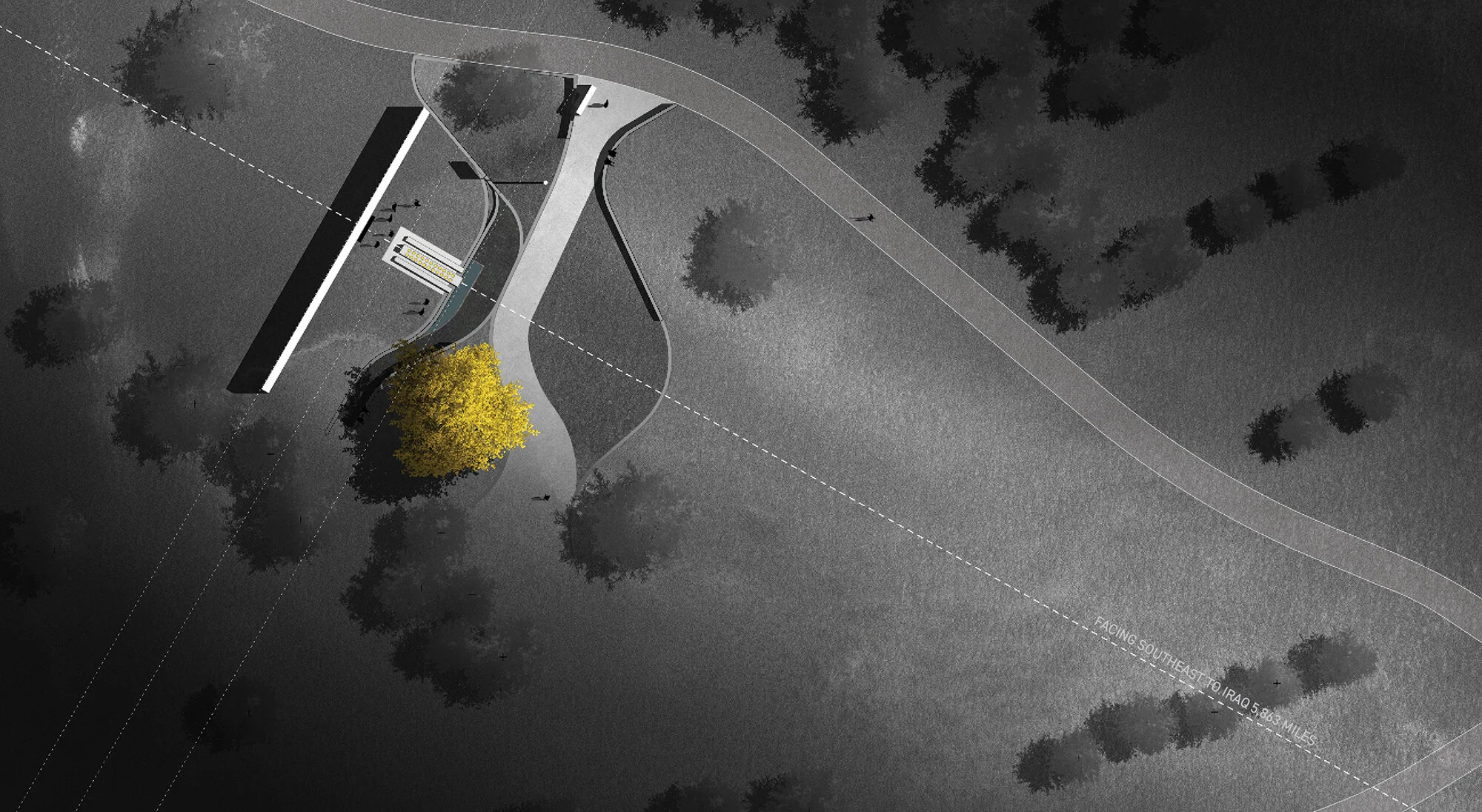
The 1-24 Marine Memorial is designed to commemorate the twenty-two Marines killed in action during deployment to Iraq 2006-2007.
During the years of 2006 and 2007, members of the 1st Battalion, 24th Marine Regiment were deployed to Iraq’s Anbar Province amidst rising unrest in the region. Over the course of its deployment, the “Nation’s Battalion,” based in Detroit and comprised of members hailing from Michigan and other Rust Belt states, suffered the loss of twenty-two Michigan service members. Returning Marines articulated a desire to memorialize their fallen comrades and the community at large for their sacrifice. On May 27, 2019 – Memorial Day – this remembrance of the “Fallen 22” was dedicated in the presence of more than five hundred Marines, veterans, and community members.
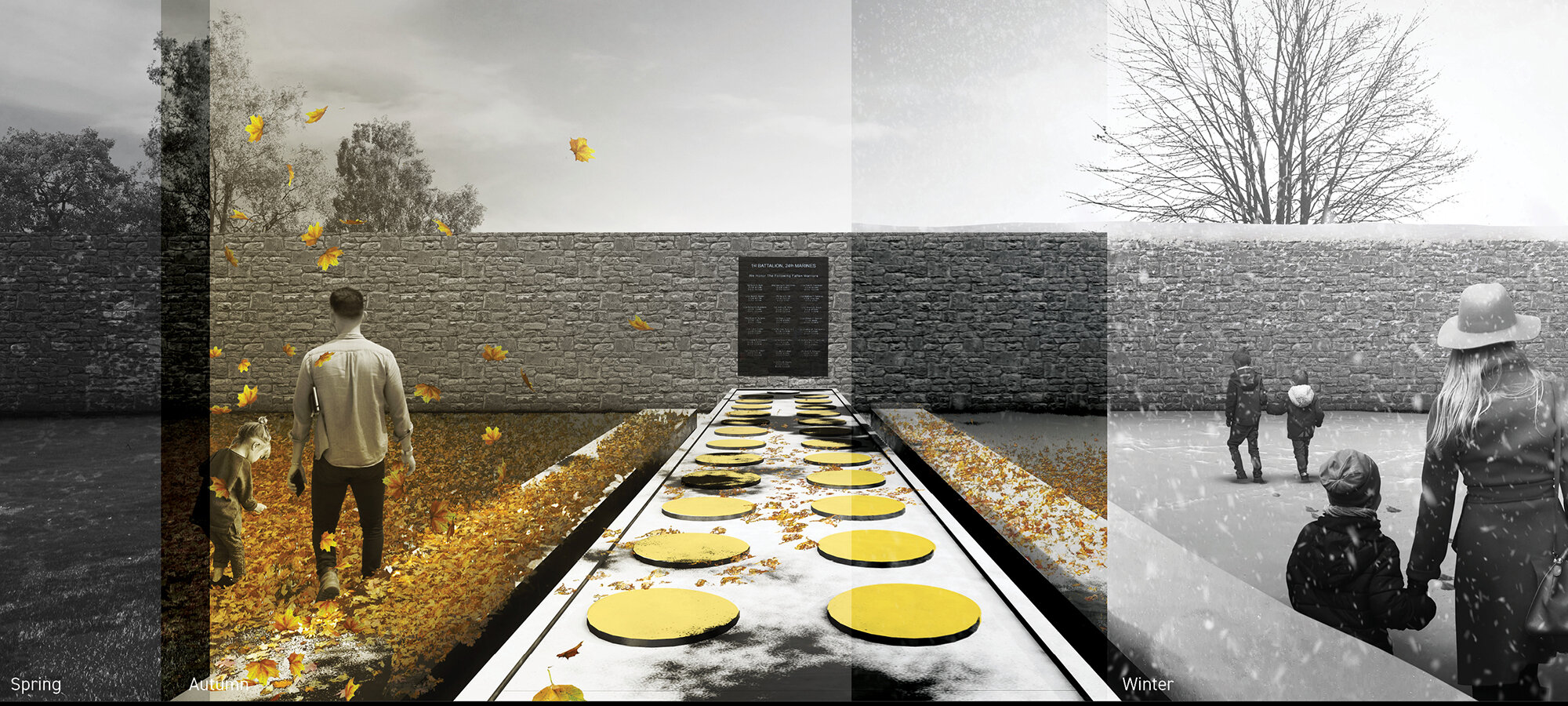
Sited on axis with Fallujah, the Memorial centers on a single surface of reflective, honed granite – emblematic of the ‘fallen comrade table’ – a longstanding military tradition of setting an empty table in honor of fallen, missing, or imprisoned service members. Twenty-two engraved bronze place settings acknowledge the fallen.
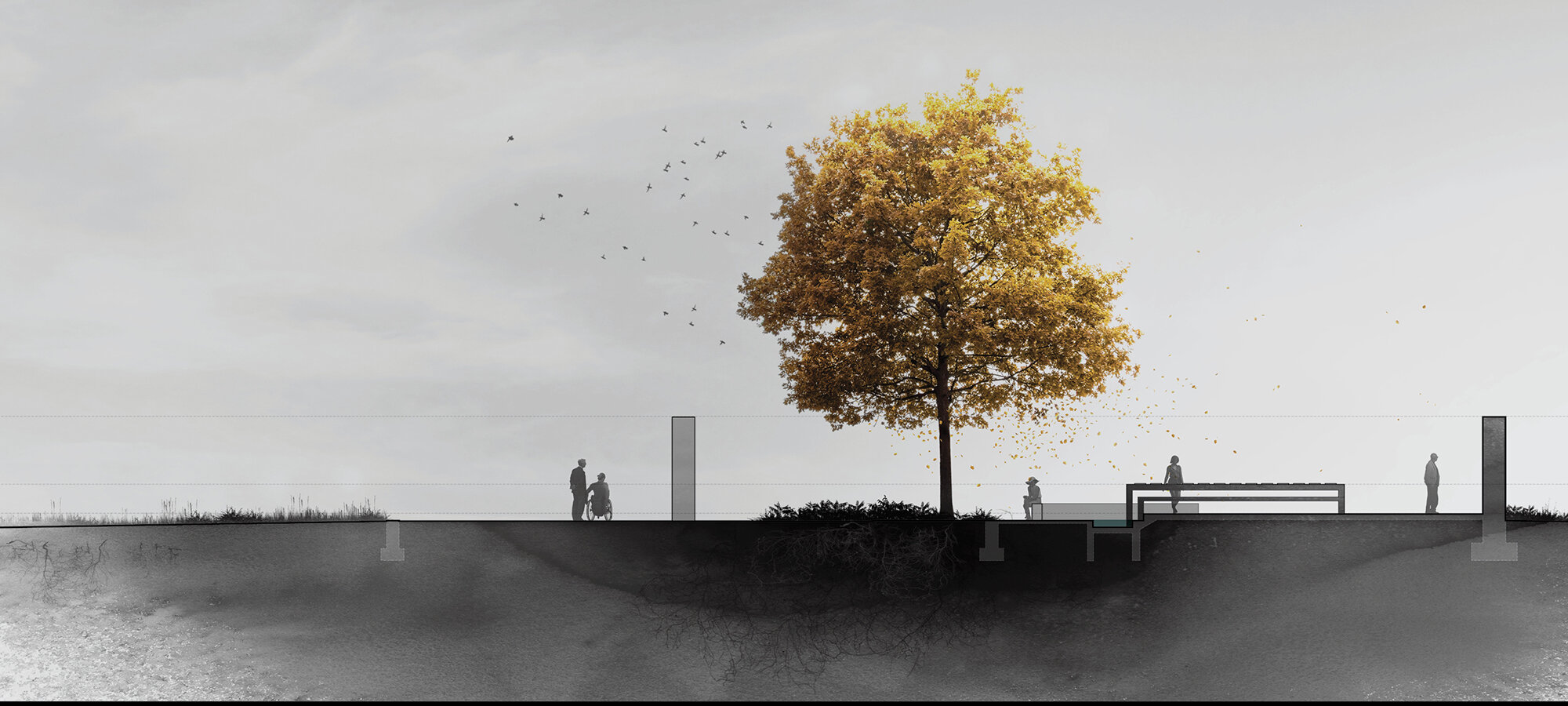
A single tree stands sentinel over the site; a constant reminder of continuity as seasons pass. The blazing of its autumn leaves emboldens the enduring bronze of the empty place settings, stark in contrast to the muted tones of the memorial’s constructed elements.
Marked by the profound interest of the community to contribute to the process of memorializing their fallen, the masonry wall anchoring the table was constructed of locally-sourced materials and with the donated labor of local craftsman – spurred by a campaign of grassroots fundraising from the surrounding community that spanned over 12 years.
_____________________________________________________
Special Thank You:
Angelo Lema, Jr.
_____________________________________________________
“The jury appreciated the symbolism captured in this memorial. The use of the ‘fallen comrade table’ is a powerful and meaningful symbol for the Marines. This symbol is presented in a very direct fashion through simple, enduring materials. The level of community involvement is impressive.”
2021 AIA St. Louis Design Award Jury Chair: Paul Mankins, FAIA
_____________________________________________________
Location:
Clayton, Missouri
_____________________________________________________
Status:
Schematic Design Completed - September 2023
_____________________________________________________
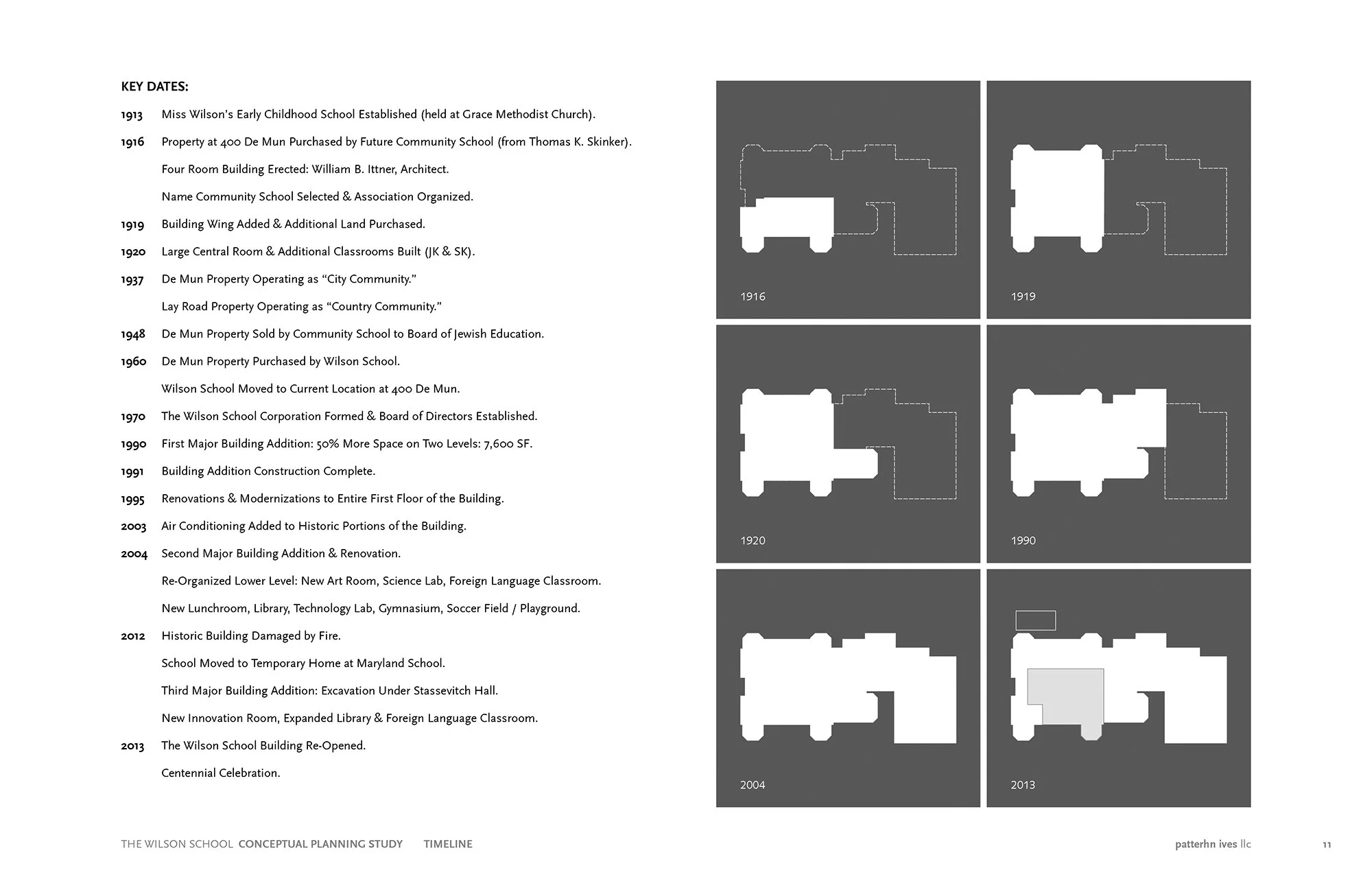
The Wilson School is an independent preparatory school for 160 students in pre-kindergarten through grade six and stands as the oldest formalized early childhood education program in St. Louis. Listed as a contributing property within the Wydown-Forsyth District on the National Register of Historic Places, the school building is a beloved landmark along DeMun Avenue in Clayton. Originally constructed in 1916, it remains one of the few, if not the only, Craftsman Style work by William B. Ittner, a St. Louis architect nationally recognized for innovative school design.
In support of The Wilson School’s mission to cultivate creativity and curiosity through innovative teaching and learning, this comprehensive design proposal is focused on improving student experience through four key goals:
— Maximizing natural light in classrooms to foster creative thinking and well-being.
— Expanding and better integrating outdoor spaces for learning, collaborating, and dining.
— Improving configuration of rooms for intuitive wayfinding and more efficient building systems.
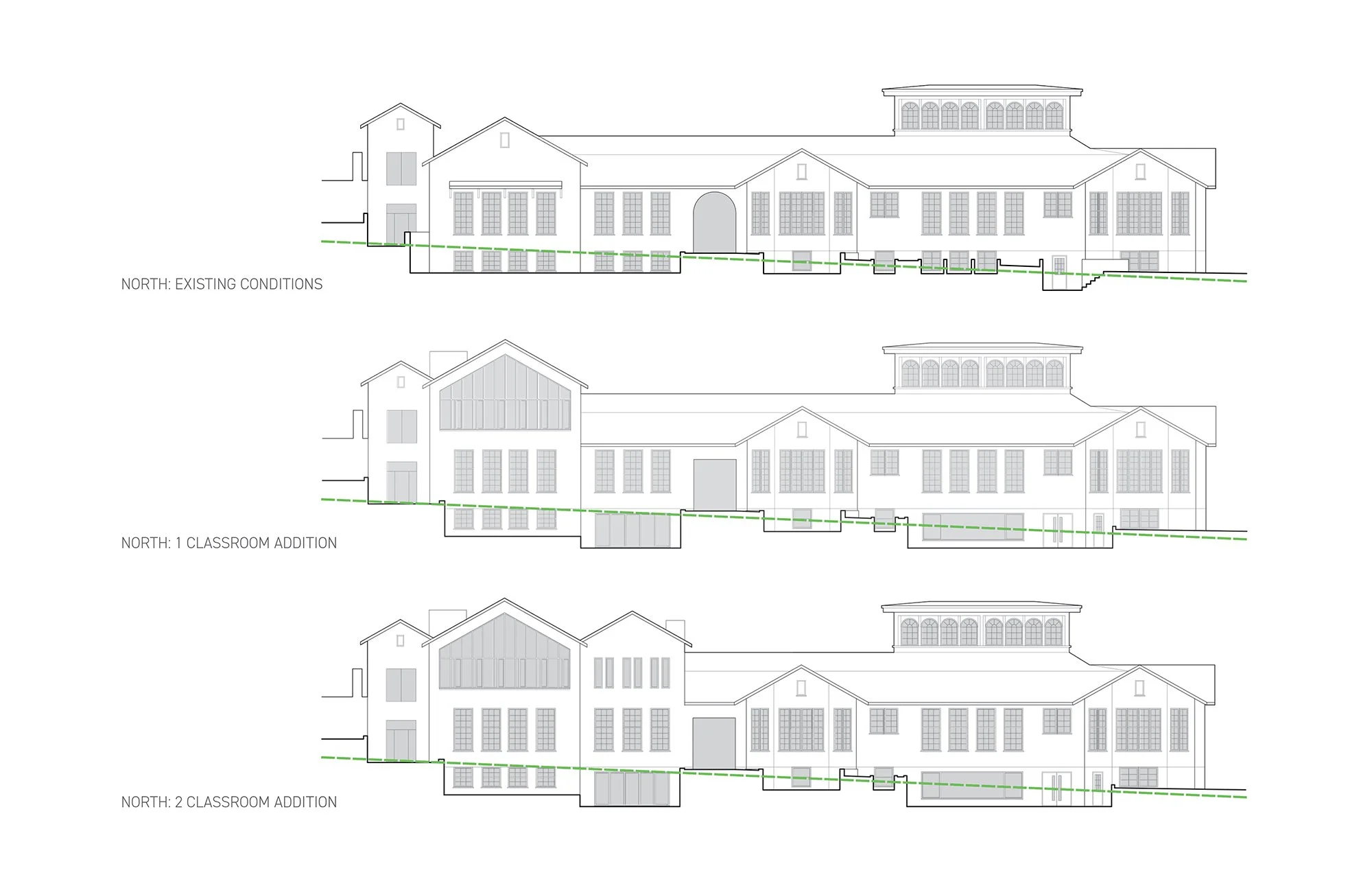
— Beautifying the historic building’s north façade.
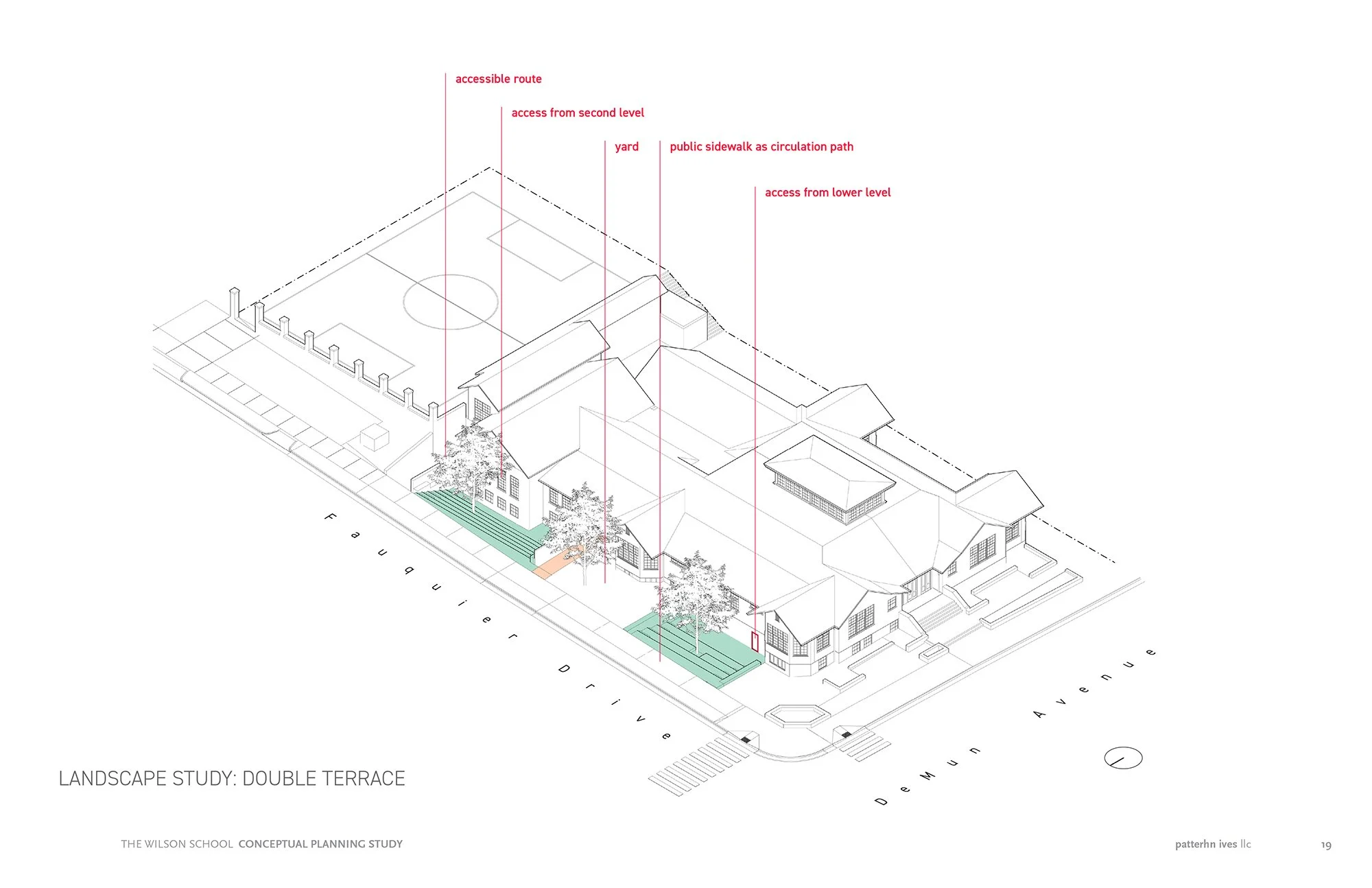
The proposed campus revitalization integrates activated outdoor spaces and native landscaping to inspire movement, exploration, and learning. These environments nurture the natural curiosity of young learners through hands-on play and exposure to a diverse palette of regional plantings. Permeable pavers, paired with densely landscaped zones, enhance stormwater management by increasing filtration / infiltration and reducing runoff to help mitigate the impact of heavy rain events.
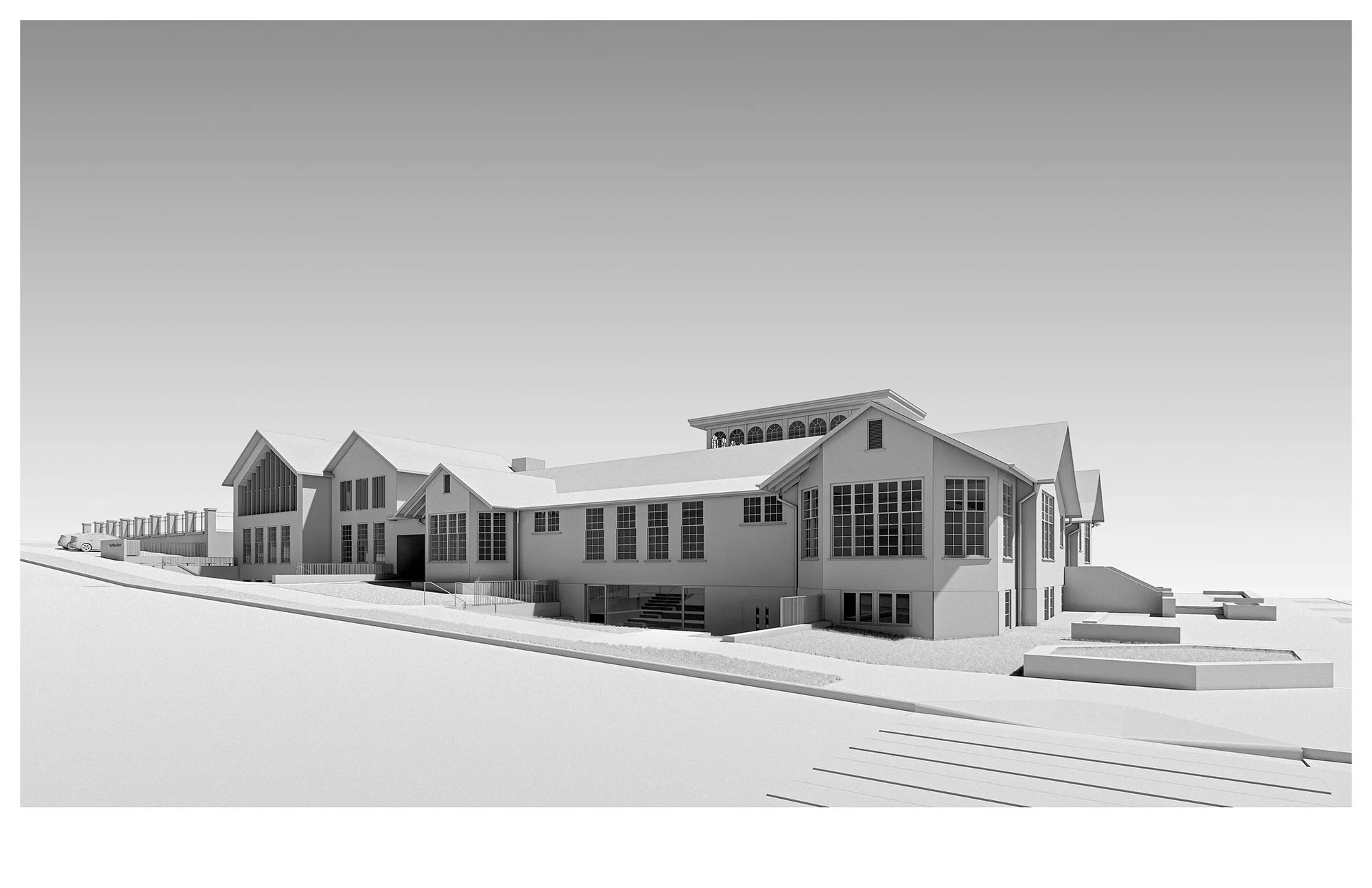
Inside, carefully renovated Lower Level Classrooms and newly constructed Upper Level Classrooms feature expansive north-facing glazing. This orientation maximizes natural daylight while minimizing heat gain, reducing demands on mechanical cooling systems. Operable windows provide natural ventilation, working in harmony with acoustic treatments, optimized lighting, and high-efficiency systems to create a comfortable, healthy indoor environment. By strengthening visual and physical connections to the surrounding landscape, these spaces promote student wellness and a deeper connection to nature.
A thorough evaluation of existing conditions and a collaborative design process led to a cohesive plan for a historically sensitive expansion and landscape transformation. All interventions are respectful of the school’s architectural heritage while providing renewed spaces that promote student success within a nurturing, inclusive, and collaborative environment. The result is a forward-looking campus that honors its past while meeting the evolving needs of The Wilson School community.
_____________________________________________________
Collaborators:
McClure Engineering (MEPFT & Lighting)
KPFF Consulting Engineers (Structural)
Civil Design, Inc (Civil)
Everest Estimating (Cost)
_____________________________________________________
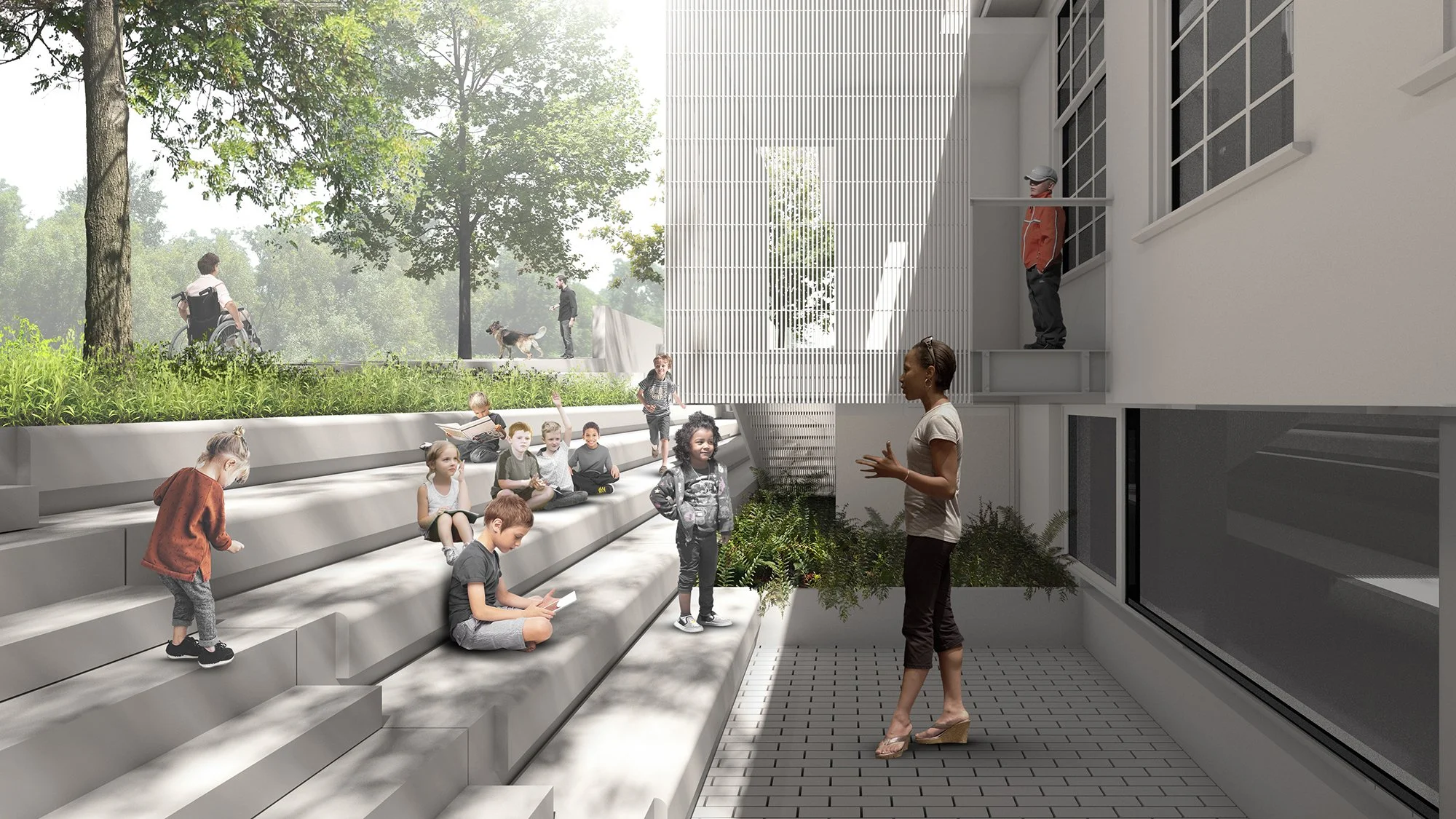
Activated exterior spaces and new landscape features offer options for movement and expression, cultivating natural curiosity and exploration of young learners through outdoor play, while increasing exposure to a wide variety of plantings native to the region.
New Upper Level Classrooms feature large expanses of glazing facing north, providing ample light and view. North glazing is ideal for maximizing natural light while minimizing solar heat gain. Existing Lower Level Classrooms are transformed through enlarged openings that allow better access to light and visual connections to new outdoor classroom, fostering health, wellness, and growth of young students.
_____________________________________________________
2016 AIA Central States Design Citation: Unbuilt
2016 AIA Saint Louis Design Merit Award: Unbuilt
_____________________________________________________
Location:
Newtown, Pennsylvania
_____________________________________________________
Project Team:
Anna B. F. Ives
Tony A. Patterson
Eric R. Hoffman
Samuel Xu
Colby Perrine
_____________________________________________________
Status:
Concept Design Complete - 2015 September
_____________________________________________________
Founded over 300 years ago as part of the original acreage purchased by William Penn from the Native Americans, Newtown's streets are lined with Revolutionary War homes and historic vernacular structures. Newtown was once the County Seat, and the Court Inn (constructed in 1733) was once a popular gathering place in proximity to the busy court house. The Court Inn now houses the Newtown Historic Association, established in the 1960's to preserve the town's heritage. The Historic Association maintains three adjacent buildings that contain historic interpretive displays and archives relevant to the town's rich history. One of the three properties was once home to Edward Hicks, a leading American folk artist who lived in Newtown for most of his life.
The Historic Association identified the rear lot of their properties as the location for an expansion that would allow for climate-controlled, condensed archival storage and a large multi-purpose space for both internal and community events. Following a rigorous study of the site and existing buildings, a strategy was developed to build across the back edge of the lots to create a private courtyard capitalizing on the existing mature landscape, restored root cellar, and human scale of the historic structures. Derived from local carriage house typology, the expansion is deferential to the street facade of the existing Court Inn and fully transparent to the internal courtyard.
The archive expansion is comprised of two levels organized around a central hearth. The lower level is sub-grade and houses the archive collection as well as volunteer workspace and a central light-filled area for public research. The main level, at street grade and fully accessible, contains the public lobby and multi-purpose space. All support functions, elevator, and catering kitchen are contained within a service bar defining the east edge of the project. With a large skylight and fully glazed wall opening to the new courtyard, the building is filled with natural light and maintains a strong visual connection with the historic structures. Materially, the archive expansion's facade is red sandstone at the lower level and service bar, and wood shingle for the gabled main level. Both materials are applied in a narrow coursing that mirrors the Court Inn brick coursing, further strengthening the resonance between the new and existing.
_____________________________________________________
Collaborators:
Frens & Frens
Lucas Bartosiewicz (Vizualization)
_____________________________________________________
“The design respects the past and welcomes the future with a conscience of what is timeless. We commend this plan; the new building is suppressed in deference to the existing building while creating a courtyard. It is a beautiful project.”
2016 AIA St. Louis Design Award Jury Chair: Frank Harmon, FAIA
_____________________________________________________
Location:
Washington County, Arkansas
_____________________________________________________
Status:
Construction Documents Complete - 2022 July
_____________________________________________________
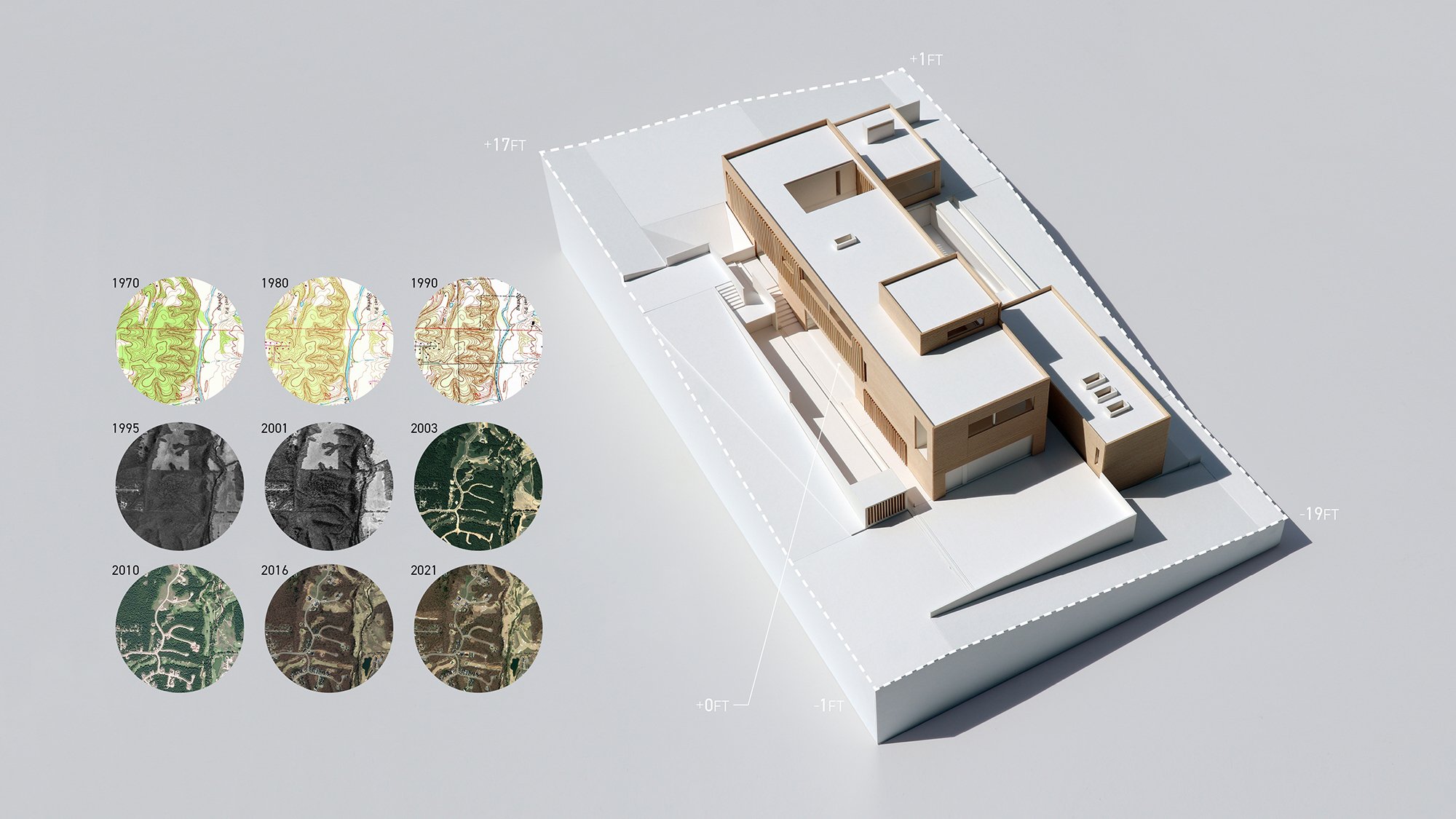
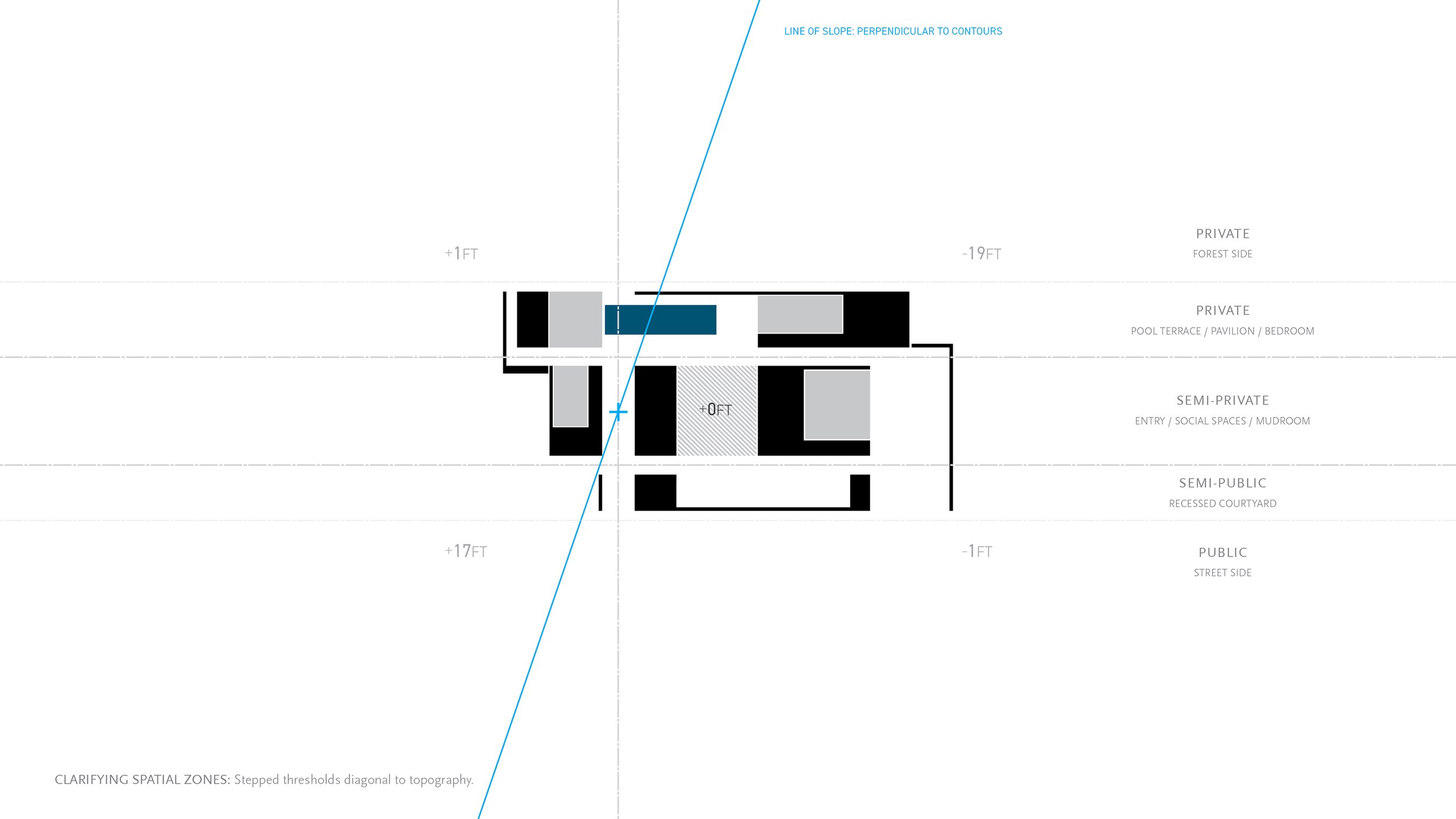
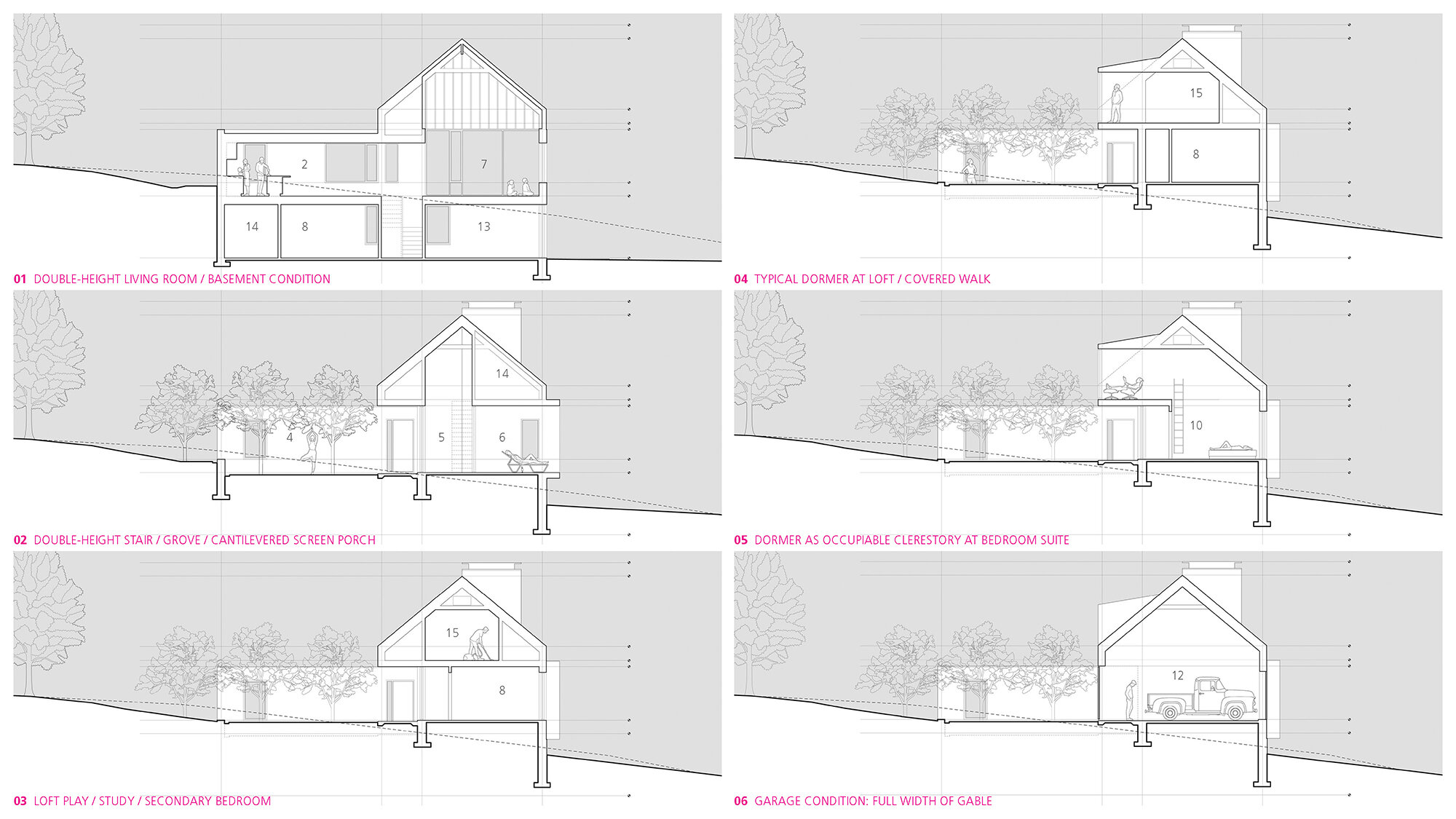
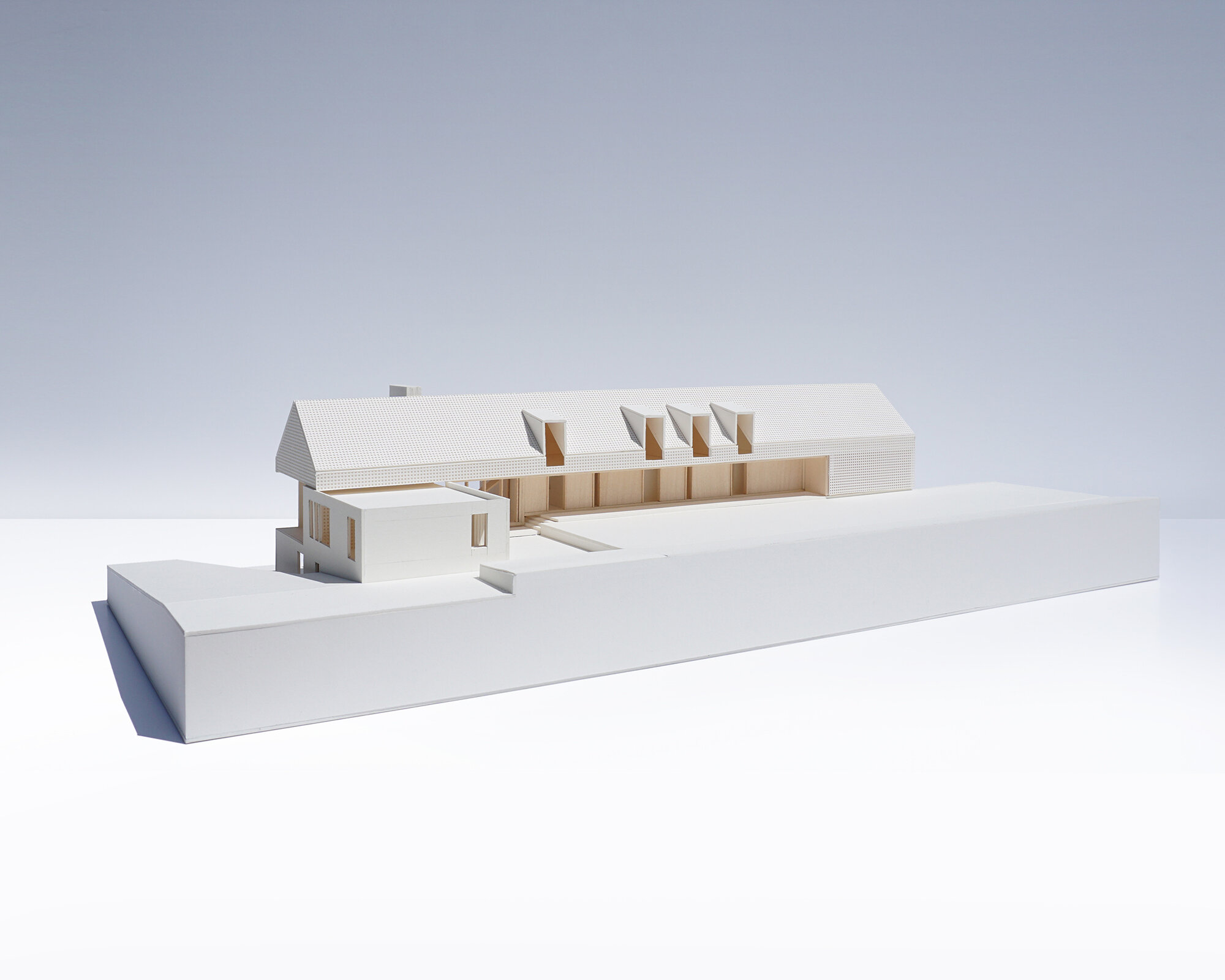
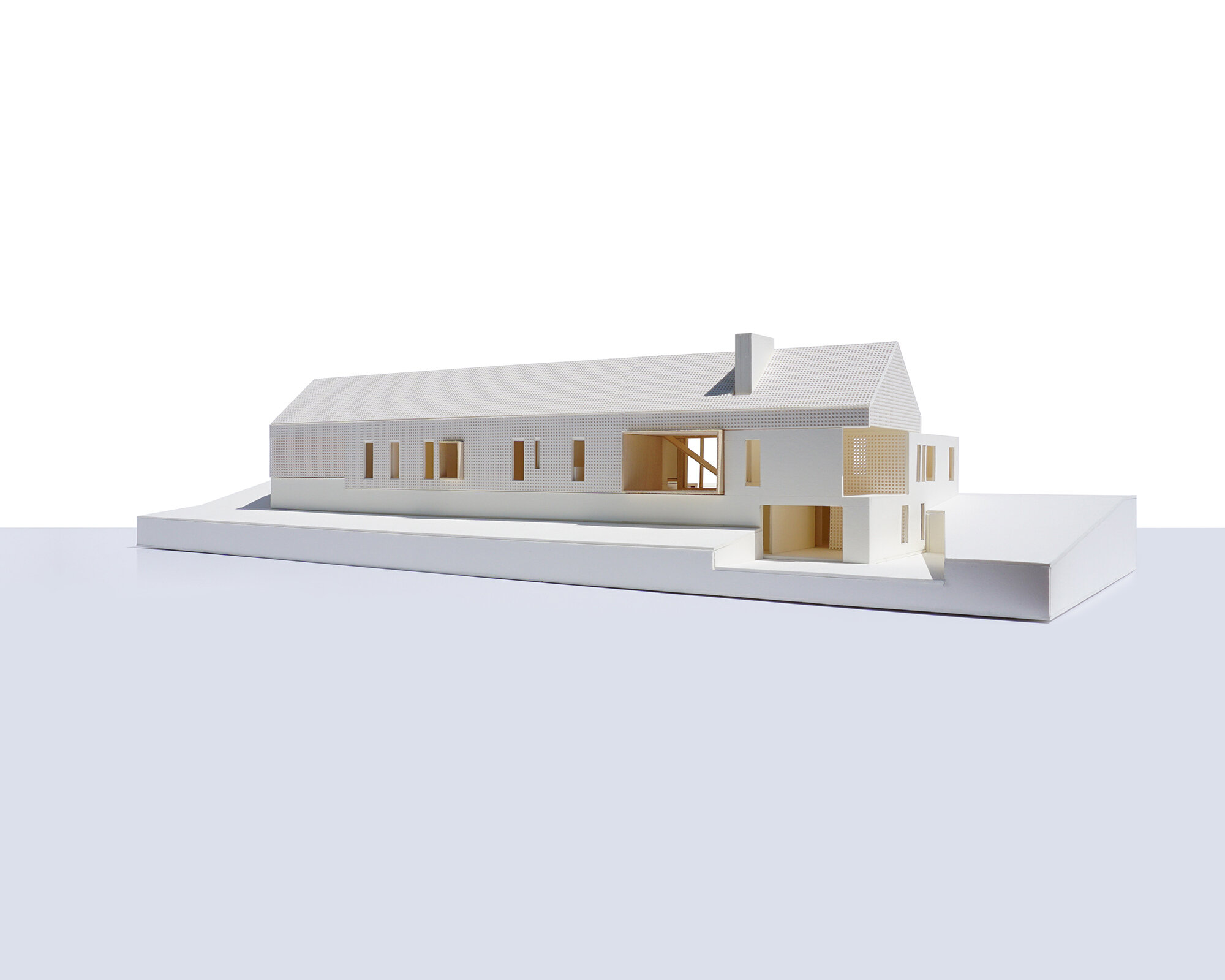
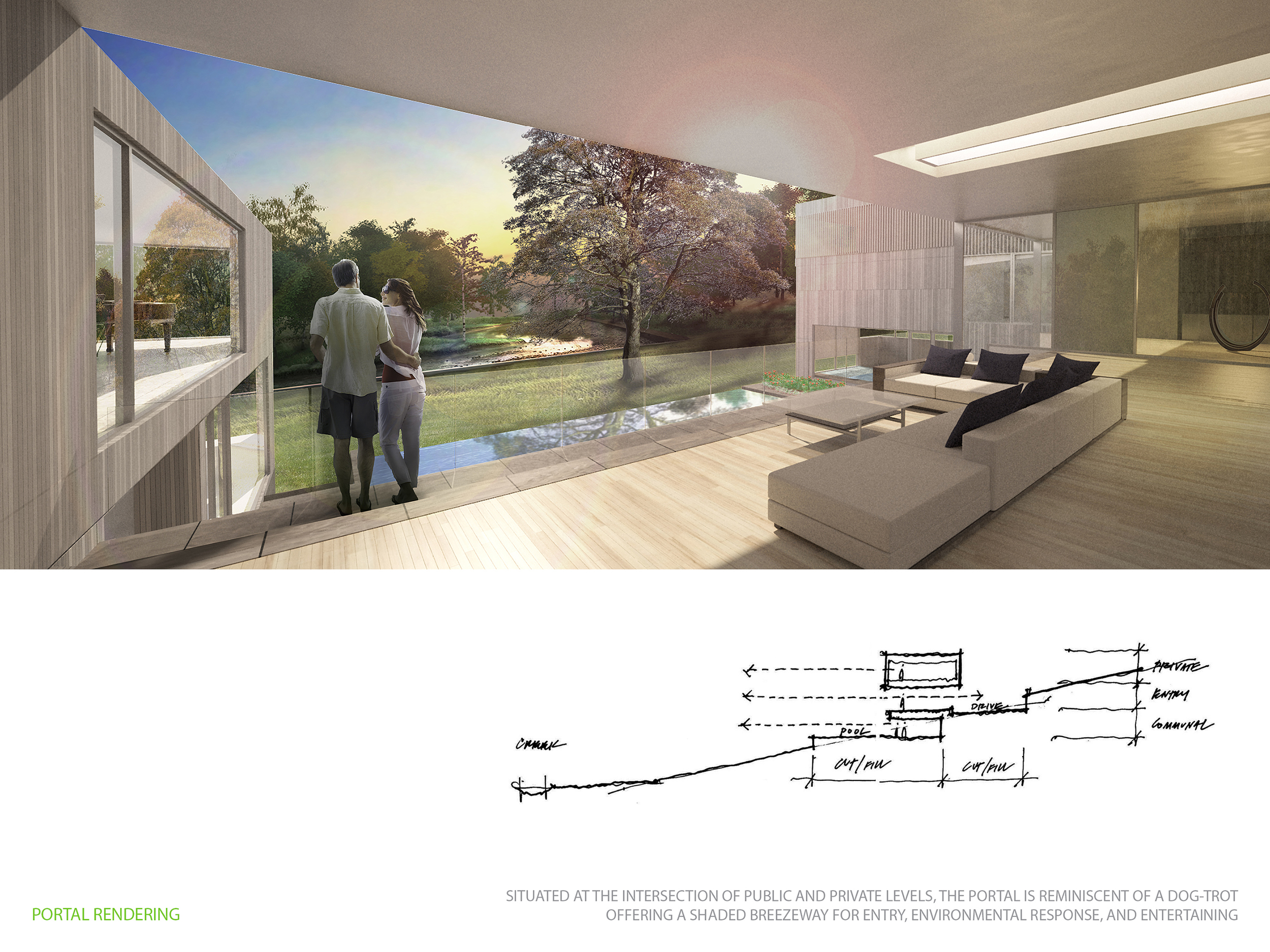
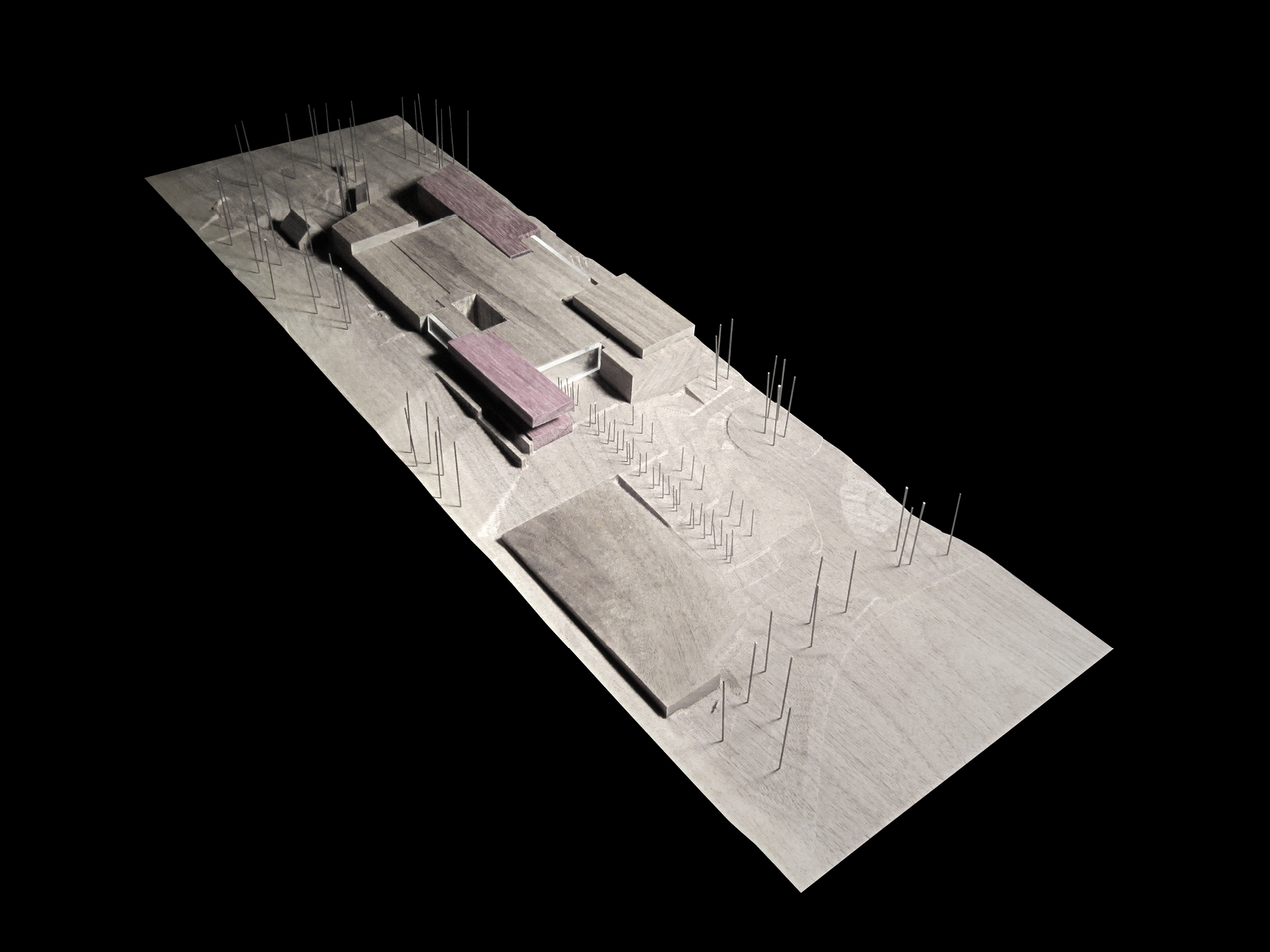
Located within a golf course community dominated by traditional homes, the Cross Grain House is decidedly modern and thoughtfully adapted to a steep hillside site. Set within the upper reaches of a wooded ravine on a series of terraces, the house frames a generous outdoor living space that overlooks the forest and golf course beyond. Upon arrival, guests are welcomed by a spacious entry court and breezeway that leads to main entry, an independent guest suite, and directly to the pool terrace.
Three distinct volumes frame the centralized pool terrace. The primary volume contains a large room for cooking, dining, and entertaining, with large expanses of glass facing east and west that can be completely open when weather allows. Two smaller volumes form a protected clearing among the trees for outdoor living. To the south is an elevated pavilion for outdoor gathering with a large, wood-burning fireplace for extended seasonal use; and to the north is the primary bedroom and ensuite.
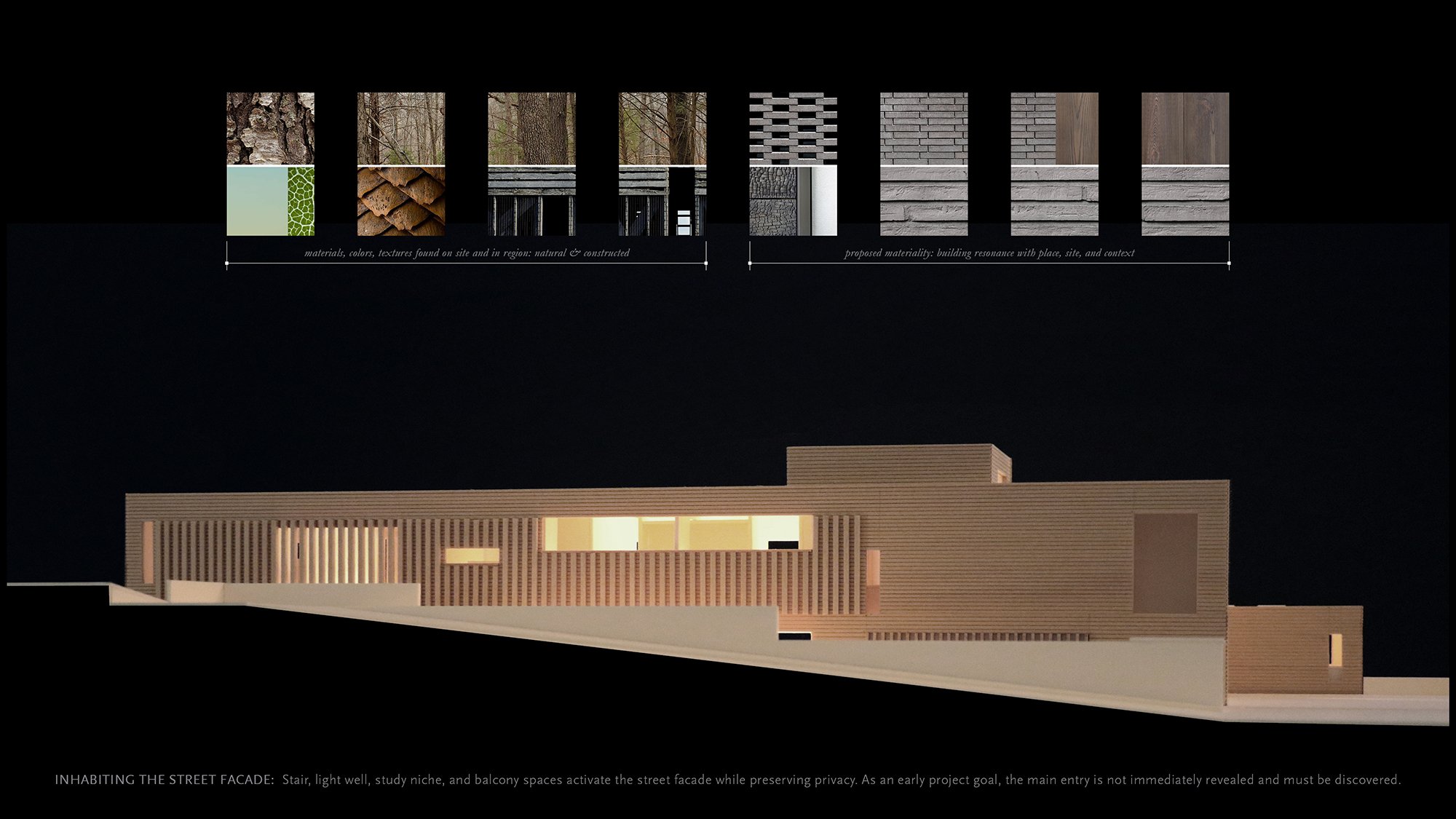
Inside the main volume of the house, upper level bedrooms look west through the tree canopy with balconies overlooking the primary outdoor living spaces. The east wall of the upper floor provides soft, diffused daylight to spaces below while providing visual and acoustic privacy from the street.
Brick is used extensively as a surface to weave vertical and horizontal architectural elements together across the site, both inside and out. The color and texture of the masonry reflects the warm gray bark of the surrounding trees and creates textured surfaces for filtered view, light, and shadow to build a direct, aesthetic, and humane experience with the immediate site and larger landscape.
_____________________________________________________
Collaborators:
Frontenac Engineering (Structural)
_____________________________________________________
_____________________________________________________
Location:
St. Louis, Missouri
_____________________________________________________
Photography:
Sam Fentress
_____________________________________________________
Status:
Completed 30 July 2024
_____________________________________________________
Hill Investment Group, a data-driven investment advisory firm, encountered challenges common to many post-pandemic workplaces, shifting to more frequent video conferencing, remote work, and hybrid schedules. Their move to a new space in Clayton accommodates a reduced footprint while fostering collaboration, social interaction, efficiency, and flexibility. Transitioning from a previous space with everyone siloed in private offices, the project provided an opportunity to better align the new office space with the cultural values of the organization.
Maximizing natural daylight and expansive views, the north and east building perimeters are given back to the collective. Open workstations are located at the northeast corner sharing views above the tree canopy on the fourteenth floor. Private offices are positioned to face the open work area, enhancing transparency and collaboration, while gaining borrowed light from the north. Several smaller enclosed pods are included for acoustic separation, video conferencing, and focused work. A large, well-appointed breakroom, located behind the reception area, serves as both a retreat and a space for informal gatherings where the team can relax, recharge, and reconnect. Situated at the intersection of primary circulation paths, the breakroom door is seamlessly integrated into an undulating wall of vertical walnut slats connecting waiting area, reception, and a spacious conference room.
Simple / Serene / Sophisticated: The design reflects Hill Investment Group’s commitment to a collaborative culture in support of the health and wellbeing of their agile team while providing tailored experiences for visiting and prospective clients.
_____________________________________________________
Collaborators:
POE - Professional Office Environments (Furniture)
Lighting Associates (Lighting)
_____________________________________________________
“Despite a limited budget and a tight timeline, we still found a way to make the new office spaces exceptional. All the hard work and investment continue to deliver lasting value to both our team and our clients.”
Matt Hall, Co-Founder and CEO, Hill Investment Group
_____________________________________________________
Location:
Clayton, Missouri
_____________________________________________________
Photography:
Karen Palmer
_____________________________________________________
Status:
Completed - February 2024
_____________________________________________________
HISTORIC RESONANCE
A careful balance of historic character and modern design, the renovation of this 1928 home utilizes natural materials and efficient planning in expanded, light-filled, highly functional space for clients that love to cook and entertain. Clearing out several small spaces originally for pantry, breakfast nook, and closet increases kitchen area while improving circulation and flow. Replacing two smaller existing windows with fully glazed patio doors provides direct connection to the exterior while drastically increasing daylight in the space. Soft toned cabinetry, stone countertops, and warm wood accents create elegant, comfortable spaces with an updated feel in harmony with the beautiful historic detailing of the house.
MAXIMIZING SPACE
Within a limited footprint, every inch of space is considered for this culinary-focused kitchen. Husband and wife regularly cook together, resulting in clear definition of preparation, cooking, and cleaning zones. For frequent entertaining, the island includes seating coupled with a new ‘pass-through’ condition to the hallway that provides buffet space and better connects hosts with dinner guests and family. Efficient storage is provided throughout the kitchen including appliance garage with vertical-lift door, television niche, and fold-out workstation for laptop.
NATURAL MATERIALS & DAYLIGHT
Designed to be well used and to age gracefully, the transformed spaces feature natural materials that provide warmth and a timeless quality. Limestone floor tile is quarried and fabricated in Southwest Missouri, paired with Italian Slate countertops and a natural Quartzite behind the range. Locally fabricated cabinets at the perimeter are painted a light neutral tone, and island cabinetry is Tasmanian Myrtle, both responding to existing historic elements. Low luster surfaces inherent to natural stone, wood, and plaster reflect natural light diffusely to create a visually softer space and healthier interior environment.
_____________________________________________________
Collaborators:
Kreher Engineering (Structural)
Lighting Associates (Lighting Design)
R.G. Ross (Contractor)
_____________________________________________________
_____________________________________________________
2021 Drury University HSA Alumni Design Honor Award
2020 AIA Saint Louis Design Merit Award: Unbuilt
_____________________________________________________
Location:
Franklin County, Missouri
_____________________________________________________
Status:
Master Plan Study Complete 2018
_____________________________________________________
Come for the wine and stay for the stargazing! For an avid, amateur astronomer and aspiring vinter, this micro-vineyard is sited on a family farm in east-central Missouri and intends to fill a local void along the Meramac River Wine Trail. Building upon Missouri’s rich tradition of vineyards and wine making that began long before German immigrants arrived, the Ozark plateau’s ideal soils and climate support this now federally recognized Viticultural Area and maintains Missouri as the second largest producer of wine in the United States.
Located near the intersection of Highway H and Sapsucker Road in Franklin County, Missouri, the proposed site is 41 agrarian acres with an existing, single-story residence. The project’s program is sited at the threshold of a densely wooded hill-side and a clearing that is defined by rolling ground plane and picturesque oak trees and ponds. Aspirations for the vineyard master plan include a primary tasting pavilion and hearth, a destination pavilion nestled among the vines, passive strategies for building systems, and a landscape strategy that reinforces wayfinding, water management, and native plantings while also encouraging manicured areas for outdoor games and gatherings. Overall site development is defined by thoughtfully managing the steep grade to permit a fully accessible experience while promoting ease of service and maintenance.
_____________________________________________________
Collaborators:
Dennis Glore Associates (Food Service)
_____________________________________________________
“We appreciated the straight forward and simple sensibility here, and that the project has a delightful sense of humor about it.”
2020 AIA St. Louis Design Award Jury Chair: Deborah Berke, FAIA
_____________________________________________________
2015 St. Louis Magazine Design Award
2014 Fay Jones Alumni Design Award: Interiors
2013 AIA Saint Louis Design Honor Award: Interiors
_____________________________________________________
Location:
Chesterfield, Missouri
_____________________________________________________
Project Team:
Eric R. Hoffman
Tony A. Patterson
Paul Naecker
Thad Martin
_____________________________________________________
Photography:
Sam Fentress
_____________________________________________________
Status:
Construction Complete 2013
_____________________________________________________
A regional leader in the production and coding of cards for payment, hospitality, and ID markets, American Card Services sought an office environment representative of the design, technology, and collaboration that is the foundation of their industry. They required a flexible space to accommodate an expanding workforce as well as an atmosphere more conducive to the reception of clients.
Replacing a myriad of rooms and cubicles, the new space is completely open, promoting a common sense of purpose and allowing access to generous natural light and views to the exterior. The design utilizes the existing fenestration to organize circulation, workspaces, formal conferencing, informal gathering space, and storage.
Entering through the threshold of a newly thickened wall, visitors are greeted by two 45-foot continuous worktables. A high degree of flexibility is provided with each table containing five workstations bracketed by a double-sided meeting table and a small bar-height table for informal seating. Conceived as an extension of the open office space, and separated only by frameless glass panels, the conference room maintains a strong spatial connection while providing acoustic privacy. Bounded on both sides by the warmth of walnut-lined wall-boxes, featuring a custom designed ‘card slot’ for product display, the new space embodies a clarity of place and brand for American Card Services.
_____________________________________________________
“Patterhn Ives successfully managed two extraordinary constraints: a very tight budget and a space that was in severe disrepair. We were very impressed with their sensitivity to light, space, staff needs, existing infrastructure, project management, and sustainability. The pride among employees in the renovated office space was immediately tangible.”
Craig Ross, American Card Services Vice President
The conference room maintains visual connection while providing acoustic privacy
Completed for $55 per square foot, every element of the design was scrutinized for potential cost savings
“The project is deceptively simple with astute design and detail rigor - this task was especially impressive considering the restrictive budget - and it shows a consistent and robust dedication to quality of space and detail. This project is not only resourceful, but is design at its best, transforming banal industrial park architecture into a memorable experience.”
2014 Fay Jones Alumni Design Award Jury
_____________________________________________________
2021 AIA Saint Louis Design Honor Award: Unbuilt
_____________________________________________________
Location:
Dent County, Missouri
_____________________________________________________
Status:
Design Development Phase Complete - 2020 March
_____________________________________________________
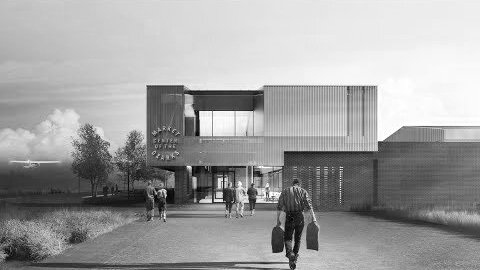
Located on a working farm in central Missouri, this house will become the permanent residence for a young family of four. Precisely positioned within the larger agrarian landscape, the new structure is sited along a distinct ridge that runs through the heart of pasture land that has been in the family for generations.
A carefully choreographed arrival sequence withholds distant views and terminates at an entry courtyard, bounded on the south by restored prairie. A gracious covered walk leads to the entrance and then into the social spaces, finally revealing the vast views northwest to the valley.
The massing of the house is kept narrow and openings are calibrated to allow passive cooling by natural ventilation, while exposed radiant-heated concrete slabs provide thermal comfort both actively and passively. Distinct living and sleeping zones are separated by a screened porch, anchored by a shared hearth that joins interior and exterior gathering spaces around a common element. Flexibility for future growth is accommodated with an unfinished attic space and a partial basement with integrated systems infrastructure.
Locally sourced materials are used throughout the house: perforated corrugated metal, western red cedar, and most importantly, white oak. Oak from these forests has been used for over a century in the production of barrels for aging wine, whiskey, and beer, and is now the primary source for the world’s largest barrel manufacturer. Dark stone, unique to the area, is used selectively in combination with analogous dark brick - connecting the house to the story of Crooked Creek Crater, formed thousands of years ago by a meteor strike just a few miles north of the property.
_____________________________________________________
“We appreciated the quality of the visualization as well as the iterative images, diagrams, and material study. It suggests a carefully sited building with a series of beautiful interior and exterior spaces.”
2021 AIA St. Louis Design Award Jury Chair: Paul Mankins, FAIA
_____________________________________________________
2018 AIA Saint Louis Design Merit Award: Unbuilt
_____________________________________________________
Status:
Conceptual Design Complete - 2018 March
_____________________________________________________
Classic disciplines of ceramics and sculpture are housed within an existing, over-stressed facility with outdated building systems that are trending toward all-digital means. As an early step of the campus masterplan, the proposed Annex alleviates multiple issues from within the existing building by providing dedicated, adaptable studios and flexible teaching environments with appropriate ventilation systems and infrastructure.
The Annex is dedicated to three-dimensional work. The relationship of the new structure to the existing facility defines an Art Walk and courtyard for informal learning, exhibition and gathering; also serving as a strategic connection to a future cross-campus corridor. Utilizing pre-engineered systems, tight budget constraints are met while providing flexibility and growth for the program. An open floor plan and adjacent studios foster integration between students and faculty of various disciplines. Precisely arranged aperture focus view while providing connections and natural daylight through both clerestory and ground-level glazing. Selectively utilized on the existing facility, the exterior weathered steel cladding creates a material connection to campus context while highlighting the utilitarian nature of the Annex.
The relocation of these critical programs address the unique and evolving demands of the Arts program while promoting academic success, fostering a passion for learning and creativity, as well as stimulating recruitment for the Visual Arts program.
_____________________________________________________
Collaborators:
McClure Engineering (MEPFT)
Alper Audi (Structural)
Civil Design Inc (Civil)
_____________________________________________________
“We reacted to this project’s humility and simplicity. We would all love to be there working in this studio, in the kind of environment that is proposed.”
2018 AIA St. Louis Design Award Jury
_____________________________________________________
2018 AIA Saint Louis Design Merit Award: Small Project
_____________________________________________________
Location:
Jefferson City, Missouri
_____________________________________________________
Photography:
Sam Fentress
_____________________________________________________
Status:
Construction Complete 2016 August
_____________________________________________________
Founded in 1866 by African-American veterans of the American Civil War, Lincoln University serves approximately 3,000 undergraduate students on a suburban, 170-acre hilltop campus in Jefferson City, Missouri. Enrollment trends have resulted in a shortage of on-campus student housing. The renovation of Martin Hall transforms the previously vacant 27,000 square-foot residence hall into a welcoming, safe environment and vital home in the center of campus for 130 students.
The existing building is architecturally pragmatic. A four-story brick mass sits parallel and partially embedded in the topography. A single corridor serves a total of 67 residences and a variety of support spaces for maximum efficiency. An additive, glazed volume marks entry and also houses a social hall below providing clerestory light. A graceful, new entry sequence is created in response to the simple existing forms with a cast-in-place concrete ramp and stair. The entry is wrapped in new curtainwall with darkly tinted glass for greatly enhanced envelope performance in response to the southwest orientation.
All within an extremely tight eleven-month schedule for design and construction, the renovation includes upgrades to mechanical, electrical, plumbing systems, newly added fire protection and security, new elevator, re-configured restroom/shower areas, and new interior finishes throughout.
_____________________________________________________
Collaborators:
Atelier 3
McClure Engineering (MEPFT)
KPFF (Civil / Structural)
Everest Estimating
Rooftech Consulting
_____________________________________________________
New entry ramp and stair completed with comprehensive accessibility upgrades
“We thoroughly enjoyed our experience working with Patterhn Ives. They listened to the desires of the Owner, understood the goals of the project, and were mindful of the limited budget for the renovation of an older residence hall on our campus.”
Sheila Gassner, Executive Director (Retired), Facilities & Planning, Lincoln University
Thin floor plates posed challenges for routing mechanical, electrical, plumbing, and fire protection systems
“This project celebrates small but important moments - an entry ramp, a fire stair - to transform what was an unused building in the center of campus to a vibrant home for students. Residence Halls are a challenging typology, and reinventing existing halls, within tight schedule and budget parameters, is even more difficult. We felt this transformation was quite successful.”
2018 AIA St. Louis Design Award Jury
_____________________________________________________
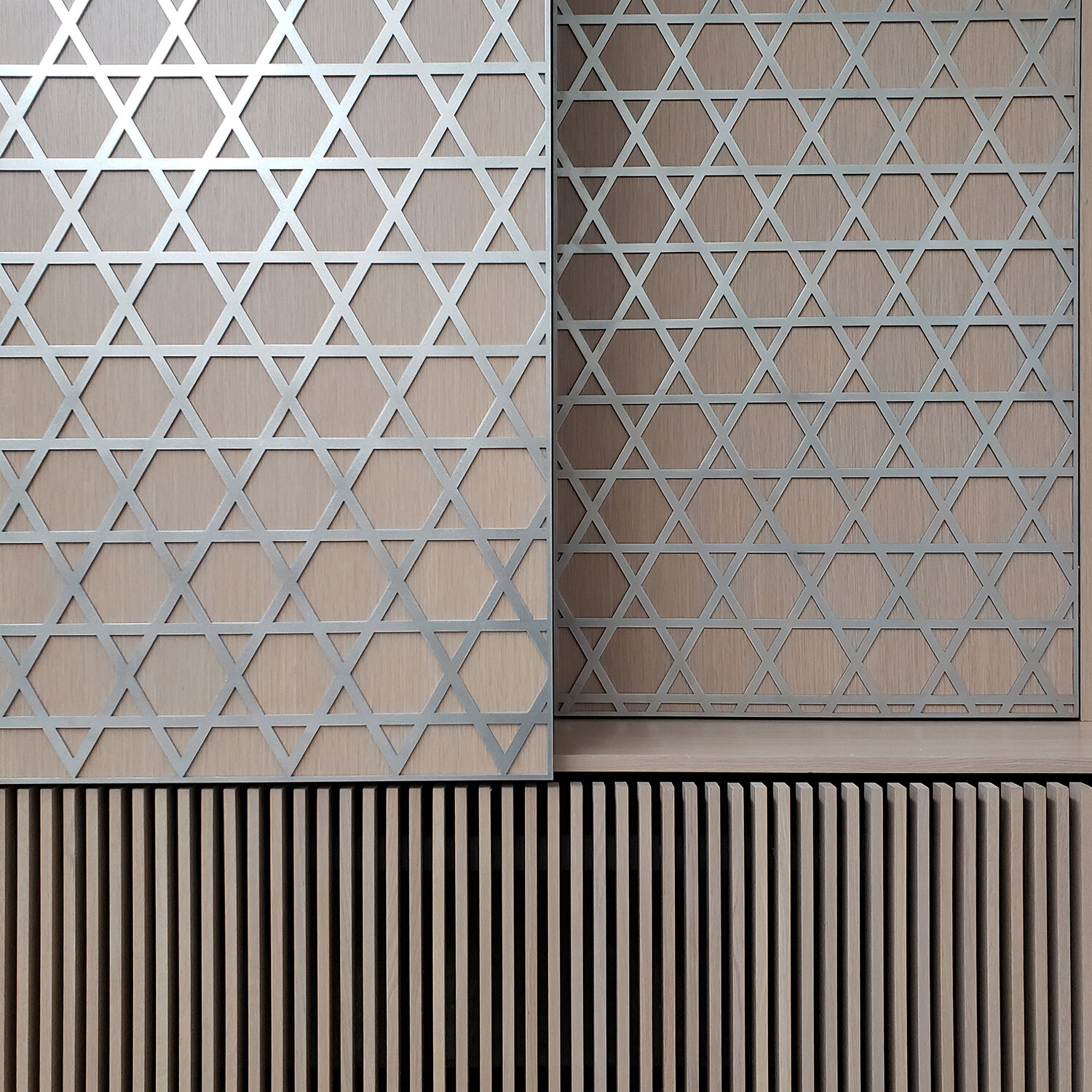
Location:
Missouri Western State University
Saint Joseph, Missouri
_____________________________________________________
Status:
Construction Documents Complete - 2018 September
_____________________________________________________
Missouri Western State University has been transforming lives since its inception in 1915. Spanning more than one hundred years, the University’s mission provides a diverse range of applied-learning opportunities for its students and meaningful outreach to the Saint Joseph community. The University’s recent centennial celebration offers a unique moment in the history of the institution to reflect on its legacy to-date as well as its vision for the next 100 years. The University’s initial step in this trajectory turns to Potter Hall and the School of Fine Arts with the intent of addressing the needs of a tired facility while elevating and further enriching the region’s culture and quality of life.
As a first generation building of the 1970-era campus, Potter Hall houses the School of Fine Arts with an academic mission dedicated to both visual and performing arts. In its current state, the existing facility significantly under-serves the School’s departments of ‘Art’, ‘Music’ and ‘Theatre, Cinema & Dance’. Moreover, modifications to the existing building over time have clouded the clarity of the original 1971 pinwheel structure.
Breathing new life into Potter Hall, the proposal addresses the institution’s challenges with two additions. One dedicated to performing arts – the Bar – and one to the visual arts – the Annex. The most vital addition creates two memorable, exterior courtyards – one entry courtyard and one campus courtyard -- that effectively re-centers and improves wayfinding for the entire facility while housing two new vital performance spaces. The new entry created by this intervention alleviates the compression of the existing building, embraces and immediately heightens the experience of each visitor to that of a School dedicated to fine arts. A third courtyard to the north serves as a strategic connection to the University’s future cross-campus corridor and the visual arts Annex. All three courtyards work at the scale of the campus and promote a sense of arrival, place and opportunities for informal learning. The expansion of critical programs addresses the unique and evolving demands of this School while promoting academic success, fostering a passion for learning and creativity as well as stimulating recruitment for each Department and the University.
_____________________________________________________
Collaborators:
McClure Engineering (MEPFT)
Alper Audi (Structural)
Kirkegaard Associates (Acoustics)
Schuler Shook (Stage / Lighting)
Civil Design Inc (Civil)
_____________________________________________________
“We were truly impressed by the specialized knowledge Patterhn Ives brought to designing music classrooms, rehearsal spaces, common spaces, and studios. Their personal approach and genuine caring for our opinions and experience made it feel like we were working with old friends who would not let us down in the process.”
Jeff Hinton, Director of Bands, Missouri Western State University
_____________________________________________________
2015 AIA Saint Louis Design Honor Award: Unbuilt
_____________________________________________________
Status:
Permitting and Documents Complete - 2017 March
_____________________________________________________
Carefully located at a bend in the creek, between forest edge and wetland, seeking to amplify the natural beauty of a serene valley.
Nestled among existing trees, the dwelling’s unique position resonates with the inherent qualities of the surrounding landscape. Paralleling the natural topography, a large void in the center of the residence aligns precisely with a bend in the nearby creek and frames distant views that expand the dimension of the property. Situated at the intersection of public and private levels, the PORTAL is reminiscent of a dog-trot offering a shaded breezeway for entry, environmental response, and entertaining. This strategy fosters a dialogue between two distinct volumes in the project: one elevated within the tree foliage (upper level for sleeping and study) and one embedded in the rolling terrain (lower level for living and entertaining). A detached guest house is sited within close proximity to the pool terrace, designed to provide additional flexibility for intergenerational living and guests.
Material strategies seek resonance through locally available limestone and strong cultural traditions of masonry.
Facing southwest to the view, solar shading is a critical component of the design. In an effort to maintain a monolithic character, the stone cladding transitions to a co-planar, engaged, stone screen over portions of glazing. The screen introduces notions of solidity and translucency, daytime opacity from the outside-in and veiled-view from inside-out, as well as an expressive ‘lantern’ effect in transition to night.
_____________________________________________________
Collaborators:
Coen+Partners (Landscape)
McClure Engineering (MEPFT)
Jacobs Engineering (Structural)
Carman (Civil)
Redwing (Ecology)
W.J. Higgins (Facade)
Aquatic Consultants (Pool)
Robert Pass (Cost)
Limbwalker (Arborist)
_____________________________________________________
The project site features several diverse ecological zones, making it a microcosm of the region’s natural systems, all vibrant, unique, and valuable. A high-slope hardwood forest drains into the flood plain, and is dominated by sycamores, magnolias, oaks, and a large understory, all of which are carefully preserved. The FEMA 100-year flood plain restricts the site’s buildable area and establishes the lowest occupiable floor elevation. An existing uphill drainage condition poses erosion and runoff problems within the creek watershed. The siting strategy, massing, and landscape design take these factors into consideration to heal and restore the site.
The traditional ‘dog-trot’ typology is a vernacular building tradition most common to the southern states born in response to a particularly hot and humid climate. Shaded outdoor spaces, or breezeways, created between enclosed volumes are extremely effective in creating passive ventilation, utilized before the advent of modern building conditioning. Typically oriented south to take advantage of prevailing winds, the building form creates differential air pressures, amplifying air movement through the breezeway.
“Our conversations regarding best-practices and contractual responsibilities were open, understanding, respectful of the client, and focused on quality of the finished product first and foremost. Emphasis was on core design principles while incorporating strategies for the very best execution and constructability.”
Proposed Construction Manager for Portal House
Building within the material traditions of a specific place respects culture and history while maximizing economic value. Utilizing limestone allows an in-depth exploration of a material that is commonly found near the site, and familiar to local tradesmen. There is clear cost benefit both in terms of material transport and labor expenses due to the availability of highly skilled masons who have built with stone for generations.
Close collaboration with local quarries, fabricators, and stone masons allow insights to production methods, material efficiencies, and detailing strategies. Informed by tradition, digital fabrication tools offer new possibilities for architectural stone. Multiple installation details are studied for both mortar-set compression assemblies and tension assemblies for hanging stone with the aid of minimal stainless steel strong-backs.
_____________________________________________________
Location:
Treloar, Missouri
_____________________________________________________
Status:
Pre-Design Phase Complete - 2020 April
_____________________________________________________
“We strive to connect all Missourians to the landscape along the Missouri River and the Katy Trail west of St. Louis by creating experiences that draw people out and make them more aware of the need to conserve this remarkable region. Missouri’s water, agricultural resources and natural scenic beauty are some of the state’s greatest assets. We believe that if we truly understand the value of these assets, we will be motivated to conserve them for future generations of Missourians. That is why we engage people through events and strategic partnerships with conservation organizations.” Magnificent Missouri.
Treloar township today presents a uniquely rich cultural landscape along the Katy Trail. At the town’s southern border, overlooking the 2.5 mile wide Pinkney Bottom flood plain, a quadrangle is formed by the Katy trailhead, the 120 year-old Mercantile building, and an original grain elevator previously used to load grain into passing train cars. This humble public space is geographically and culturally central to the town and serves as trail parking, an agricultural equipment staging area and a community gathering and event space.
Patterhn Ives is collaborating with Magnificent Missouri to envision a new outdoor social space and outpost providing essentials and overnight accommodations; water, shelter, and respite. This carefully positioned intervention endeavors to serve cyclists along the Katy Trail and community members alike, with plantings and tree species that bloom or fruit around important cultural seasons (harvest) underlining the region’s entwined culture and ecology. The goal of the project will be to energize this segment of the Trail while reinforcing the need for conservation of landscape and preservation of local culture.
_____________________________________________________
Katy Trail along the Country Store Corridor: Image Courtesy of Magnificent Missouri
Peers Store and Treloar Mercantile: Images Courtesy of Magnificent Missouri
Downtown Treloar: Image Courtesy of Magnificent Missouri
_____________________________________________________
Location:
Montgomery, Alabama
_____________________________________________________
Project Team:
Eric R. Hoffman
Tony A. Patterson
Anna B. F. Ives
Samuel Xu
Colby Perrine
Jonathan Fridberg
_____________________________________________________
Collaborators:
Robert Pass (Cost)
Lucas Bartosiewicz (Vizualization)
_____________________________________________________
Status:
Schematic Design Complete - 2015 January
_____________________________________________________
Supporting the global mission and construction of embassies, consulates and other secure facilities, Norshield is a world leader in the engineering, design and manufacture of ballistic-resistant product systems. The renewed corporate leadership sought to re-conceive a tired facility and develop a masterplan in support of a renovation program offering a surplus of area. Fronting Mobile Highway, the project also endeavors to re-imagine street presence in support of development along the historic bi-way.
Driven by budget constraints, the proposal harnesses the full potential of the existing infrastructure and intervenes surgically. The design clears an endless maze of rooms and corridors allowing access to courtyard, daylight, and view. A thorough survey of the existing building reveals multiple opportunities: a preserved entry overhang (hidden behind years of construction) is reconfigured as a fully-glazed storefront; a blacked-out clerestory will once again offer relief at the center of the wide floor plate; and lastly, a voluminous high-bay and gantry will be restored and fully utilized for manufacturing.
The existing high-bay anchors the proposal's massing and identity. The project includes the addition of a new, second high-bay space. Working in tandem, the high-bays allow daylight, orientation, views, and relief for the multiple enclosed offices -- a program requirement due to the private and secure nature of the business -- and moreover, offers identity and a lantern-like quality along historic Mobile Highway.
_____________________________________________________
_____________________________________________________
2013 AIA Saint Louis Distinguished Award
_____________________________________________________
Location:
Saint Louis, Missouri
_____________________________________________________
Project Team:
Eric R. Hoffman
Peter MacKeith
_____________________________________________________
Collaborators:
Phillip Shinn (Structure)
_____________________________________________________
Photography:
Sam Fentress
_____________________________________________________
Status:
Construction Complete 2012
_____________________________________________________
More than half of Mexico City's 20 million inhabitants live in informal settlements known as colonias populares. In 2008, architect Arturo Ortiz Struck and the urban research firm Taller Territorial de Mexico designed Make a House Intelligent, a simple structure that could be built quickly and inexpensively by small teams of people. This design adaptation comes as part of Design with the Other 90%: CITIES, a major survey exhibition at the Kemper Art Museum that illustrates the profound, transformative, and sometimes lifesaving power of innovative design. Collecting dozens of smart, problem-solving projects from around the globe, the exhibition aims to expand contemporary definitions of just what constitutes 'good design'.
_____________________________________________________
“A remarkable small-scale intervention that exposes the potential of design when enacted as an experiment in response to asymmetrical urban, social, and economic development.”
2013 AIA St. Louis Design Award Jury
_____________________________________________________
Location:
Saint Louis, Missouri
_____________________________________________________
Project Team:
Anna B. F. Ives
Eric R. Hoffman
Tony A. Patterson
Samuel Xu
Colby Perrine
_____________________________________________________
Status:
Concept Design Complete - 2015 June
_____________________________________________________
CALERES Innovation Lab (formerly BROWN SHOE)
An international leader in the fashion industry, the Saint Louis based company sought to insert a new, unifying department into their existing corporate environment to physically and functionally bring together siloed working groups. Renovation needed to account for new workstations, meeting spaces, and at the heart of the project, an Innovation Lab used for collective work harnessing the creative energy of multiple specialties.
An intensive study of the building’s existing conditions revealed potential to improve the cohesiveness of the visitor and employee experience within the dense column grid and irregular fenestration. Surgical relocation/removal of underutilized space revealed views across the large floorplate, and new, informal meeting spaces become landmarks to orient visitors and connect employees.
The flexible, collaborative nature of the department’s staff guided the decision to reinterpret the standard workstation. Shared spaces are co-located in a materially identifiable block that is visible across the floorplate. Entering the threshold of the block, small group spaces flank the Innovation Lab to allow for visual connectivity to the departments beyond while floor to ceiling glass and screen walls allow acoustic privacy. The Lab is conceived as a space that could be fully closed for private meetings or open for dispersed small group activity. The space features pivoting writable surface doors that spill out into a Break Out space to allow expansion and contraction of the Lab. The open, welcoming nature of the block reinforces the departmental ethos.
_____________________________________________________
_______________________________________________________
Status:
On the Boards
_______________________________________________________
_____________________________________________________
2008 AIA Saint Louis Design Merit Award: Unbuilt
2008 National Design Competition Winning Entry
_____________________________________________________
Location:
Boston, Massachusetts
_____________________________________________________
Project Team:
Eric R. Hoffman
Tony A. Patterson
_____________________________________________________
Collaborators:
Richard Burck Associates (Landscape)
_____________________________________________________
Status:
Concept Design Complete 2008
_____________________________________________________
SOFTSCAPE
The wood floor of the main plaza provides a moment of fragility in the un-yielding hardscape of its context, adding warmth to the cold and rough brickwork. The feel of walking on a softer, more resilient surface offers an experience that differentiates itself; making its tactile quality easily identifiable and memorable.
Walking on the hollow wood surface set flush to the brick may remind one of being on stage…wood planks giving way to your body weight, the sound of your footsteps and footsteps of others sharing the space…the new floor elevates everyday events into the realm of performance.
The addition of a new ticketing kiosk on the southwest corner balances the block formally and stylistically. The new structure frames and re-centers the classical facade of the Cyclorama. Its form ties the main plaza back to the urban fabric while defining an outdoor room that cradles a new outdoor performance space.
The terraced lawn accommodates 100 movable seats in a raked-seating configuration while the raised stage area accommodates performances facing the lawn, opposite the lawn, or theater-in-the-round. Multiple power access points within the wood walking surface allow maximum flexibility for temporary sound and light tailored to each performance. The service zone beneath the wood floor also allows storm water harvesting, retention, and re-use for landscape irrigation.
_____________________________________________________
“The winning design was selected out of the many creative ideas submitted in the ideas phase of the project. It has the potential to become a great public space, a gathering place for the city, and a connector between the Boston Center for the Arts and the communities it serves. It’s sophisticated, and it’s good citizenship. We would privilege this sort of disciplined thinking about how we make streets and sidewalks, and it’s there in this scheme, and we like it.”
National Design Competition Jury Chair: Toshiko Mori, FAIA
_____________________________________________________
2011 AIA Saint Louis Design Honor Award: Unbuilt
_____________________________________________________
Location:
Bull Shoals, Arkansas
_____________________________________________________
Collaborators:
Summer 2010 Graduate Studio
Washington University in Saint Louis
_____________________________________________________
Status:
Site Design Studies Complete 2010
_____________________________________________________
This project tests the potential of 40 undisturbed acres of lake front property.
Focusing on the design and thoughtful development of a small community, the site will serve as a family retreat for four brothers and their families. Sustainability, integrated passive strategies and construction techniques that lend to working in dense forest, undisturbed site surface, and remote locations are central themes.
Each brother lives in distant relationship to each other while making semi-annual visits. The property near Sister Creek of Bull Shoals, Arkansas provides a centralized locale. Each brother and their respective families are uniquely individual, but request a flexible approach to building, living, and gathering to allow for future resale if necessary. Design strategies critically examine the delicate balance between privacy and familial connection.
_____________________________________________________
“This is thoughtful architecture that develops an interesting house typology carefully planned within the site.”
2011 AIA St. Louis Design Award Jury Chair: Toshiko Mori, FAIA
_____________________________________________________
2013 AIA Saint Louis Design Merit Award: Unbuilt
2011 National Design Competition Finalist
_____________________________________________________
Location:
Atlanta, Georgia
_____________________________________________________
Project Team:
Eric R. Hoffman
Tony A. Patterson
Jonathan Fridberg
Charity Seyer
_____________________________________________________
Collaborators:
Richard Burck Associates (Landscape)
Magnusson Klemencic Associates (Civil + Structural)
_____________________________________________________
Status:
Design Competition Complete 2012
Stakeholder Presentation Complete 2012
_____________________________________________________
reCENTER
The spacious, light-filled CENTER graciously welcomes all visitors. It provides immediate, intuitive orientation for the patrons, clearly connecting all of the museum exhibit spaces and amenities while providing ease of access to the grounds. The open interior anchors the institution to this Place by fluidly connecting the site’s historic context, the environment, and the land to a central point. The new CENTER is a flexible and functional heart. It contains all guest services, select exhibits, classrooms, and retail; transforming the existing conditions into a vastly enlarged public space that serves all points of the History Center’s mission.
A pronounced and graceful inclined walk emerges on the west approach toward the new CENTER. Visitors gradually ascend, slowing their pace. Walking through the shadows of the fragrant tree canopy, visitors transition from the realm of ‘being’ in contemporary life to ‘reflecting’ on those lives that preceded them.
_____________________________________________________
“The jury enjoyed the elegant use of materials to highlight the addition while speaking to the existing buildings. The creation of an internal campus with additional entry points creates an intriguing approach, and the sense of arrival prior to entering the building is very strong. The interior plan is very logical, accommodating, and interfaces with both entry locations well.”
National Design Competition Jury